Student wellbeing is a cornerstone of academic success, a fact that resonates strongly with educators and parents globally. Notably, the State of Libya has reinforced its commitment to universal health coverage and child well-being through two new national initiatives.
By connecting medical care and education, the country aims to support young learners directly in their daily environments.
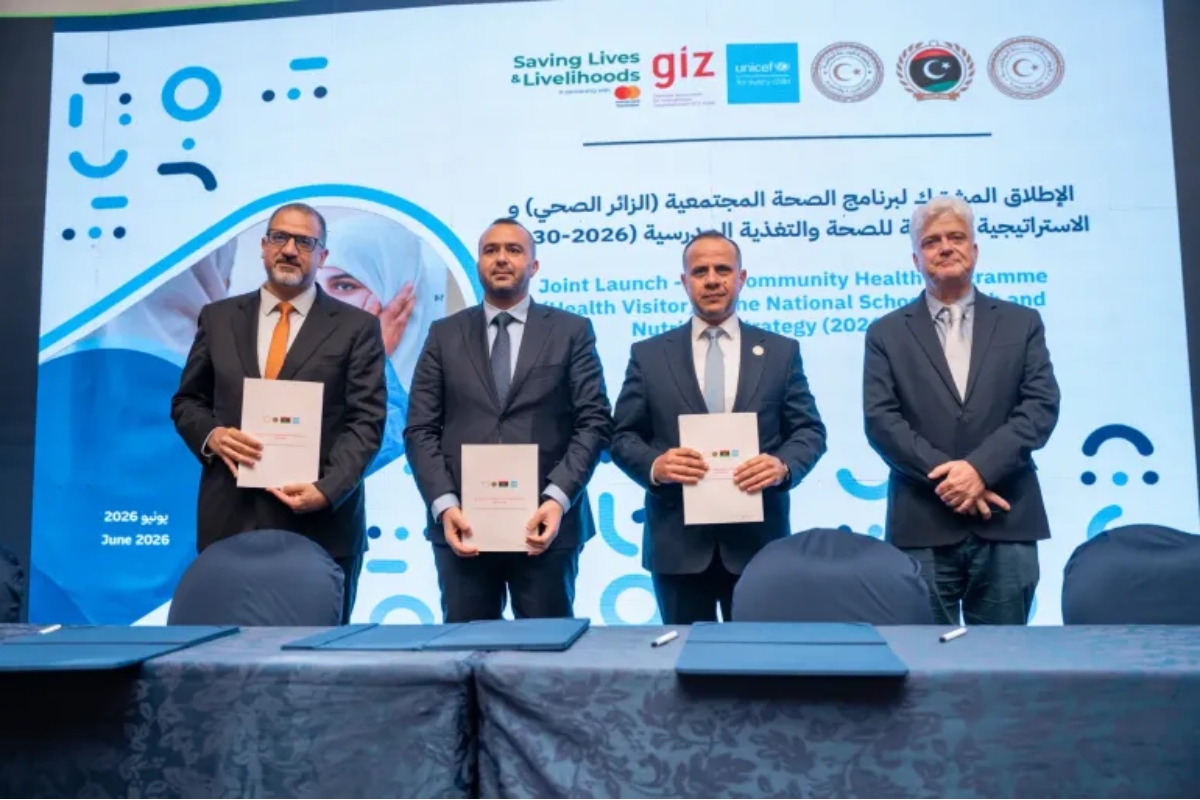
The Ministry of Health, the Ministry of Education, and UNICEF unveiled this coordinated package to bring healthcare closer to every Libyan family, child, and adolescent. Consequently, this initiative bridges the gap between home and the classroom, offering regional school leaders an inspiring blueprint for student welfare.
Transforming Classrooms with the School Health and Nutrition Strategy
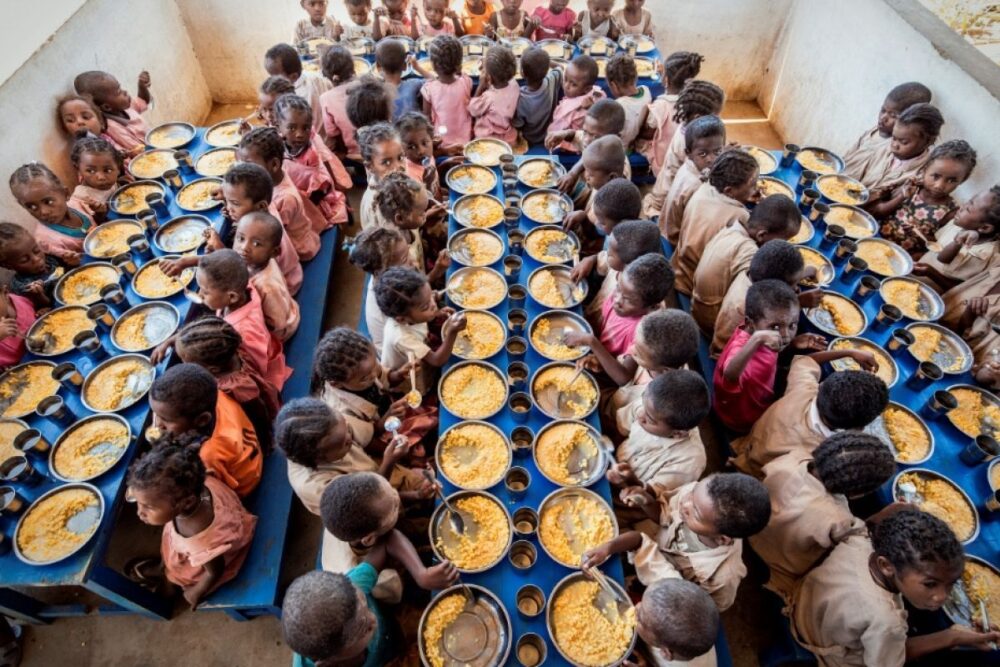
At the heart of this reform is a five-year multi-sectoral roadmap designed to support learners directly where they study. The National Strategy for School Health and Nutrition (2026–2030) addresses critical priorities, including school nutrition, mental health, water, sanitation and hygiene (WASH), and digital referral systems.
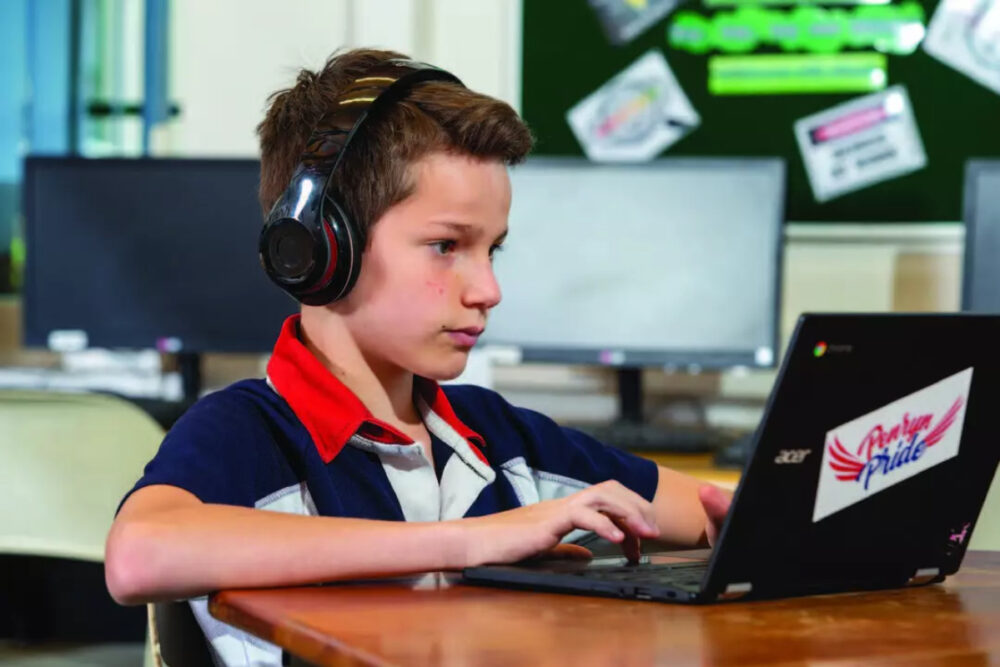
Furthermore, technology will play a critical role in tracking student needs across the country. As part of its implementation, the National Electronic System for School Health and Nutrition (SHNS) will be launched during the 2025/26 academic year, enabling real-time tracking, referral, and follow-up of student health needs.
Additionally, this strategy relies on systemic changes to ensure long-term stability for educational institutions. The strategy is built on three mutually reinforcing pillars, which are strengthening institutional commitment, expanding multi-sectoral partnerships, and creating an enabling environment through supportive legislation and sustainable financing.
Delivering a Coordinated Pathway of Care From Home to School
Meanwhile, the initiative ensures that healthcare begins well before a child enters the classroom. Over the next two years, the National Community Health Program will train and deploy 3,500 Health Visitors to connect clinics directly to households. Therefore, this domestic outreach ensures that vulnerable young people receive early support, which naturally prepares them for success in school. Ultimately, these efforts culminate in a unified system that protects children at every stage of development.
Over the next five years, the partners will work jointly to mobilize resources, train school health personnel, equip school clinics, expand mental health services, regulate school canteens, and operationalize the SHNS digital platform. As a result, this extensive reform provides global education stakeholders with an excellent example of how health and education can collaborate to improve student outcomes.