Christel House South Africa is showing how removing financial barriers can change access to education. The no-fee private school in Cape Town provides students with education and wider support from Grade RR through Grade 12, followed by five years of post-Matric support.
The school currently serves around 1,000 students and more than 250 post-Matric students. Its wider work also reaches thousands of parents and community members.
For families facing financial hardship, the model goes beyond removing tuition fees. Students receive transport, meals, healthcare, psychosocial support, uniforms and career guidance.
The approach offers an important lesson for educators and school leaders. Academic outcomes can improve when students receive the wider support they need to remain engaged in education.
Christel House South Africa Provides 19 Years Of Support
Christel House South Africa was founded in 2001 and opened its doors in Cape Town in 2002. It later moved to its current Ottery campus in 2009 as demand increased.
The school provides a 19-year education and support journey. This begins in Grade RR and continues through Grade 12, followed by five years of post-Matric support.
The model recognises that students can face barriers outside the classroom. Therefore, Christel House combines academic learning with nutrition, healthcare, character development, family assistance and career guidance.
The school describes itself as a no-fee, non-profit institution serving students from some of Cape Town’s most under-resourced communities.
The Story Behind Christel House
Christel House was founded by businesswoman and philanthropist Christel DeHaan.
DeHaan co-founded Resort Condominiums International before dedicating much of her later life to education and social development.
Her outlook changed after she was introduced to a nun caring for orphaned and abandoned children in Mexico City.
Gabriel Oropeza, a former president of RCI Latin America and now board chair at Christel House Mexico recalled,
“After she sold RCI, I introduced her to a nun in charge of orphans and abandoned kids in Mexico City. I asked Christel for a cheque to help these kids. Christel came back not only with a cheque but with a new mission in her life.”
DeHaan concluded that education alone could not address the barriers facing children growing up in poverty. The model therefore included nutrition, healthcare, character education, family assistance and career support.
In 1998, she founded Christel House International and developed the holistic education model that later expanded to South Africa.
What Students Receive At The No-Fee School
Christel House South Africa provides more than classroom education. Students receive daily transport, meals and snacks, uniforms and essential school supplies. The school also provides primary healthcare and psychosocial support. Furthermore, students receive university and career guidance as they prepare for life after school.
The admissions model is also focused on financial need. The school states that it prioritises learners from families facing extreme economic hardship and considers household income alongside social, educational and family circumstances.
This approach means that financial disadvantage, rather than academic privilege, plays a central role in determining who the school seeks to support.
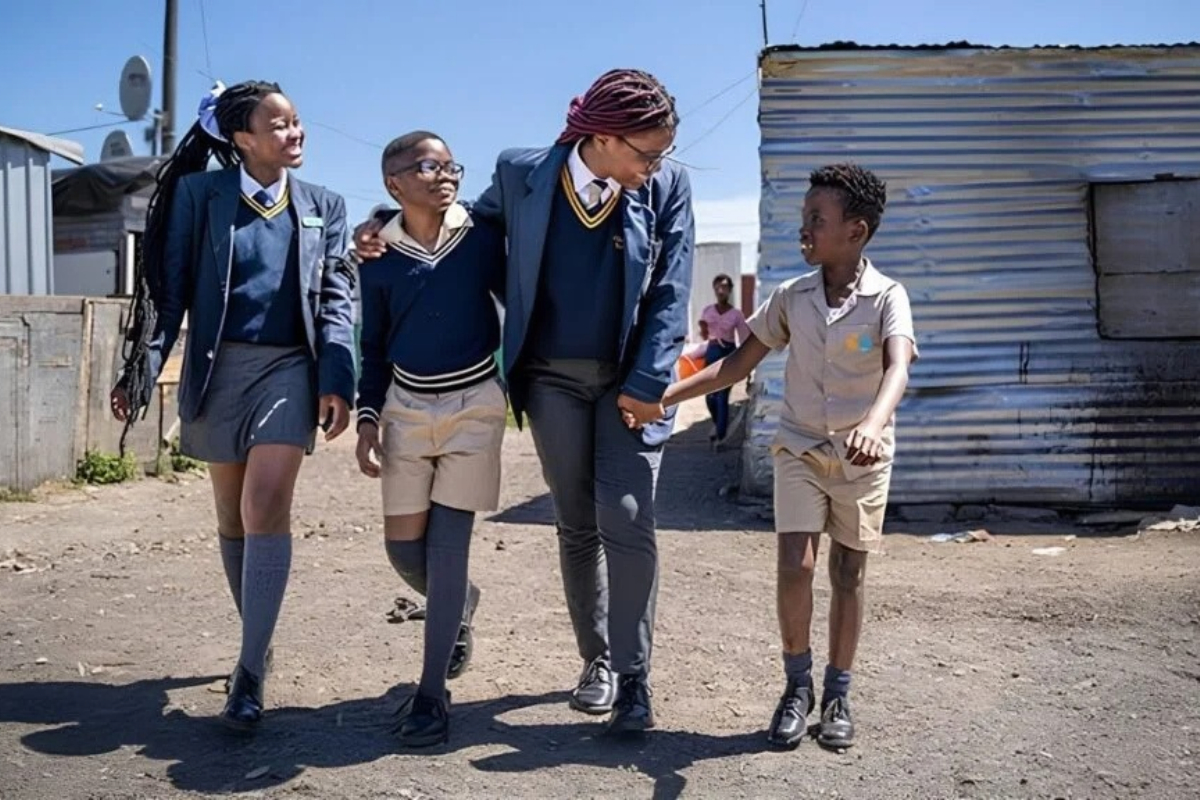 Students at Christel House South Africa receive no-fee education alongside wider support services
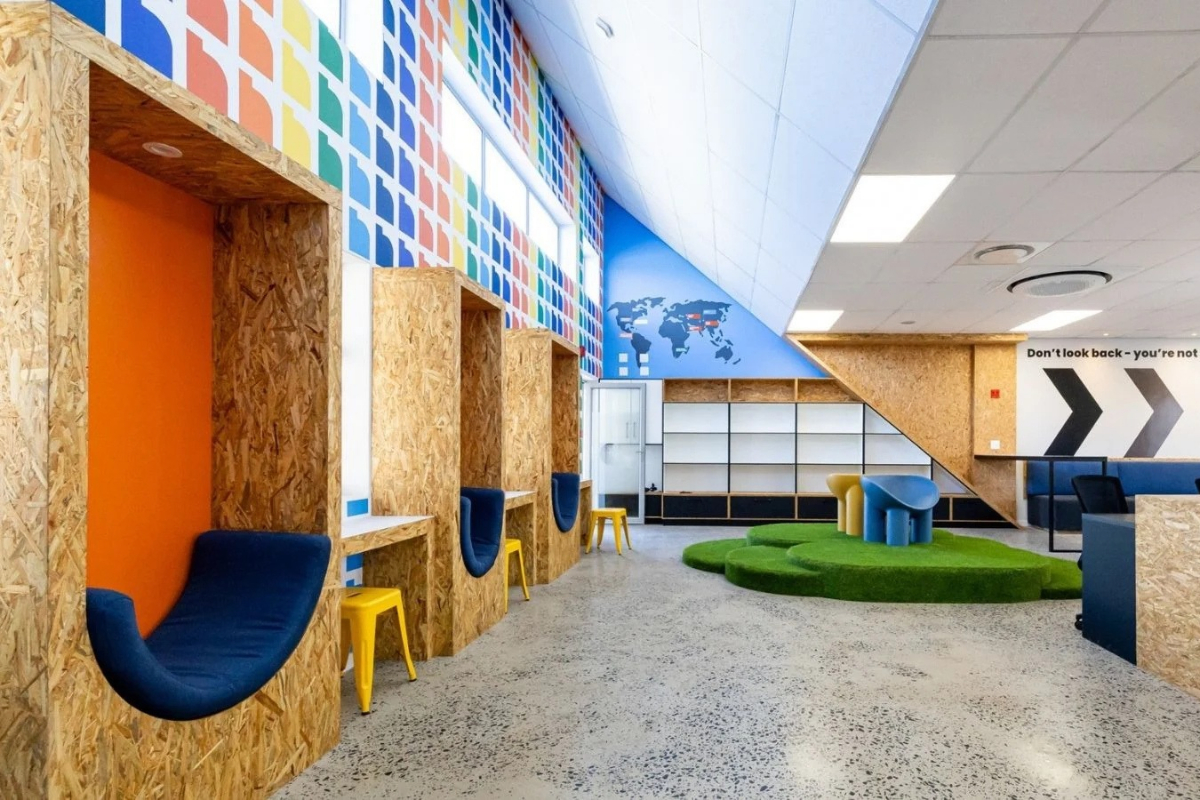 Modern learning spaces at Christel House South Africa support students throughout their school journey
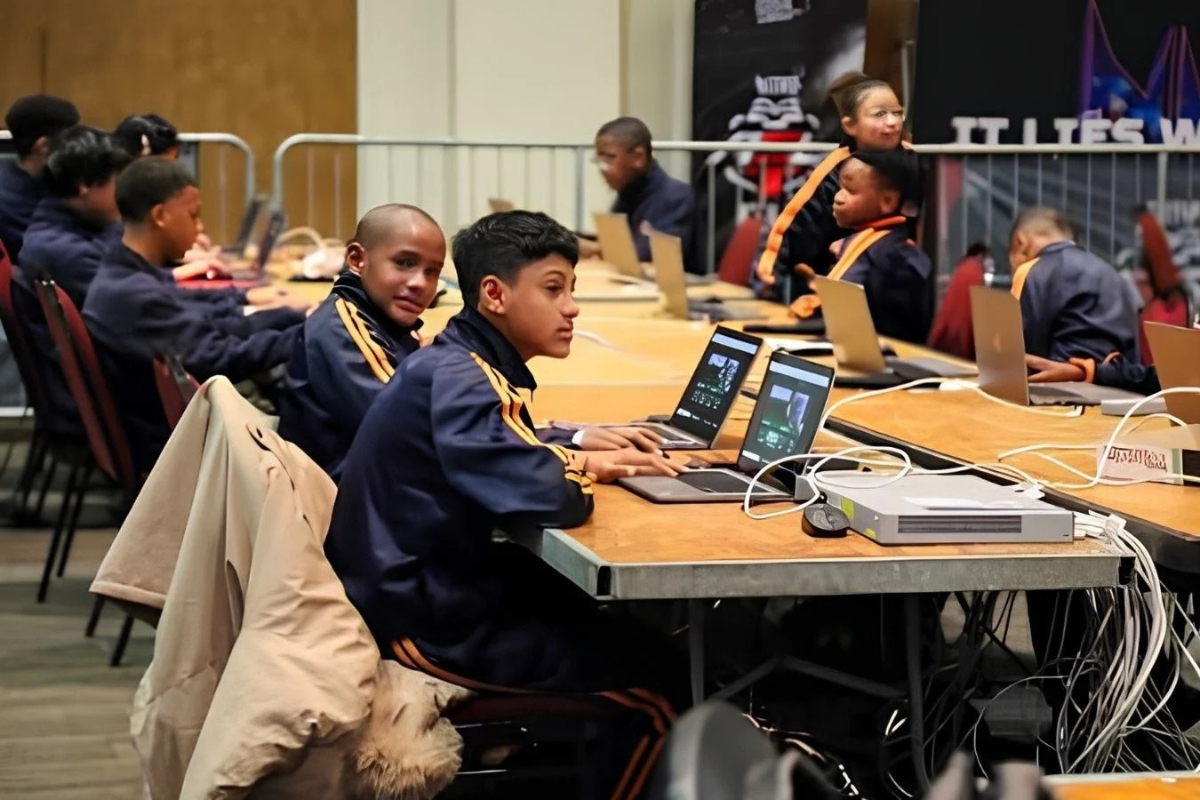 Christel House South Africa students in a learning environment at the Cape Town school
 The school supports learners from Grade RR through Grade 12 and beyond
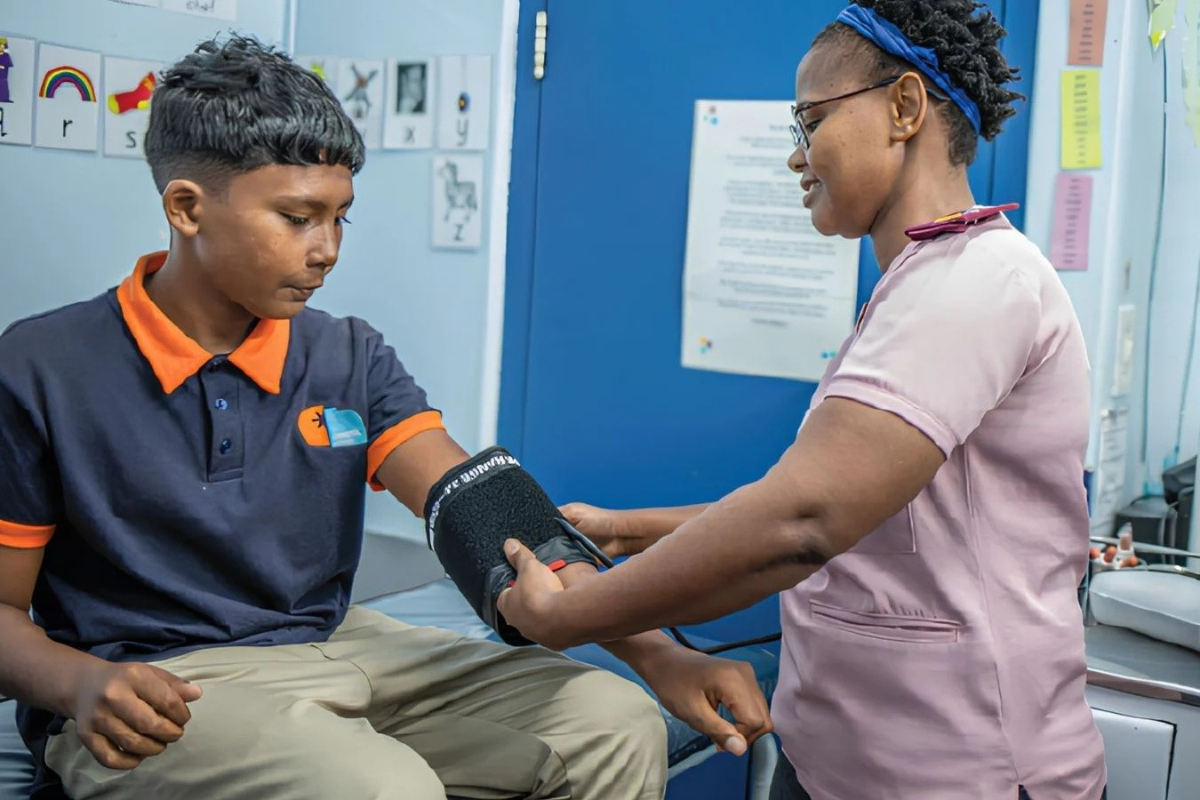 Christel House South Africa combines academic learning with healthcare, nutrition and career support
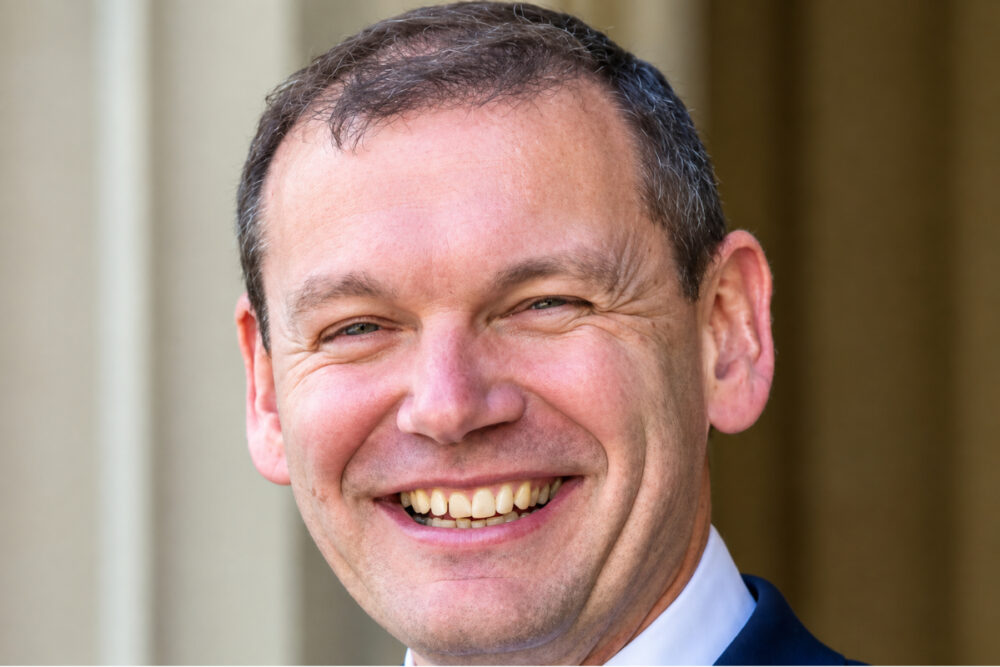
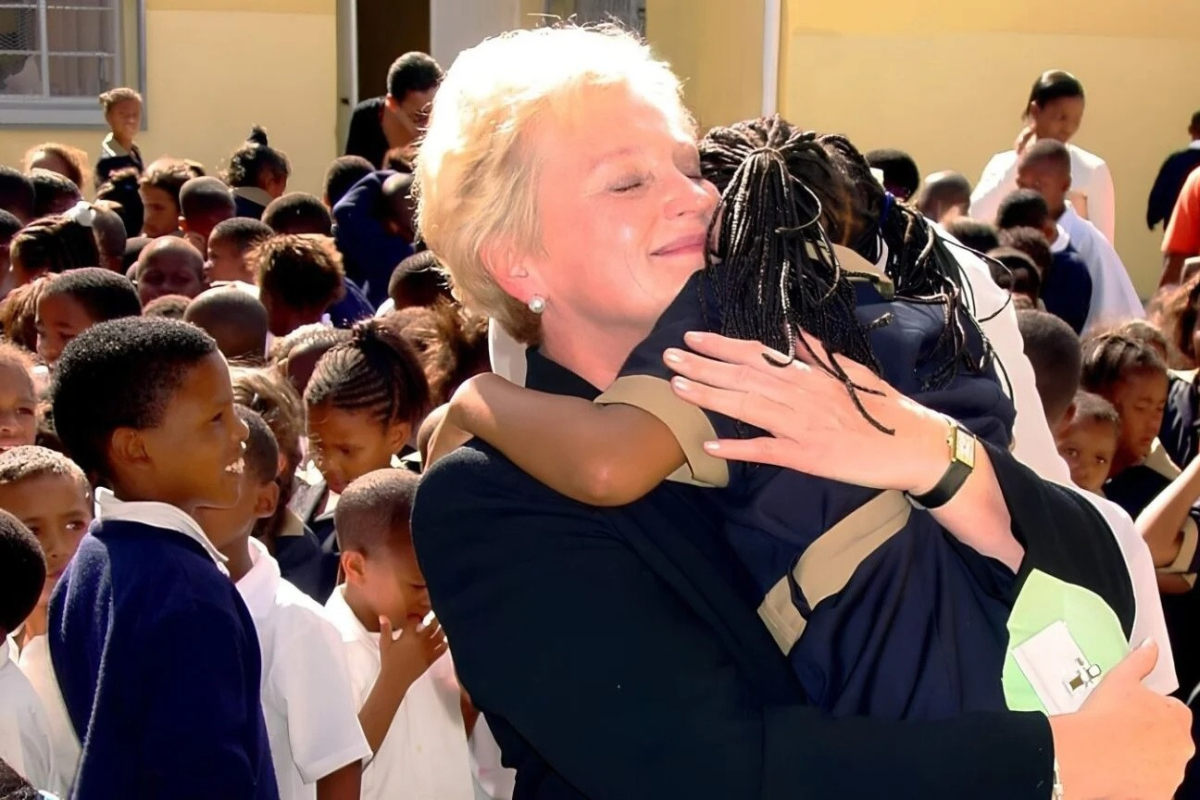 Christel House South Africa founder, Christel DeHaan
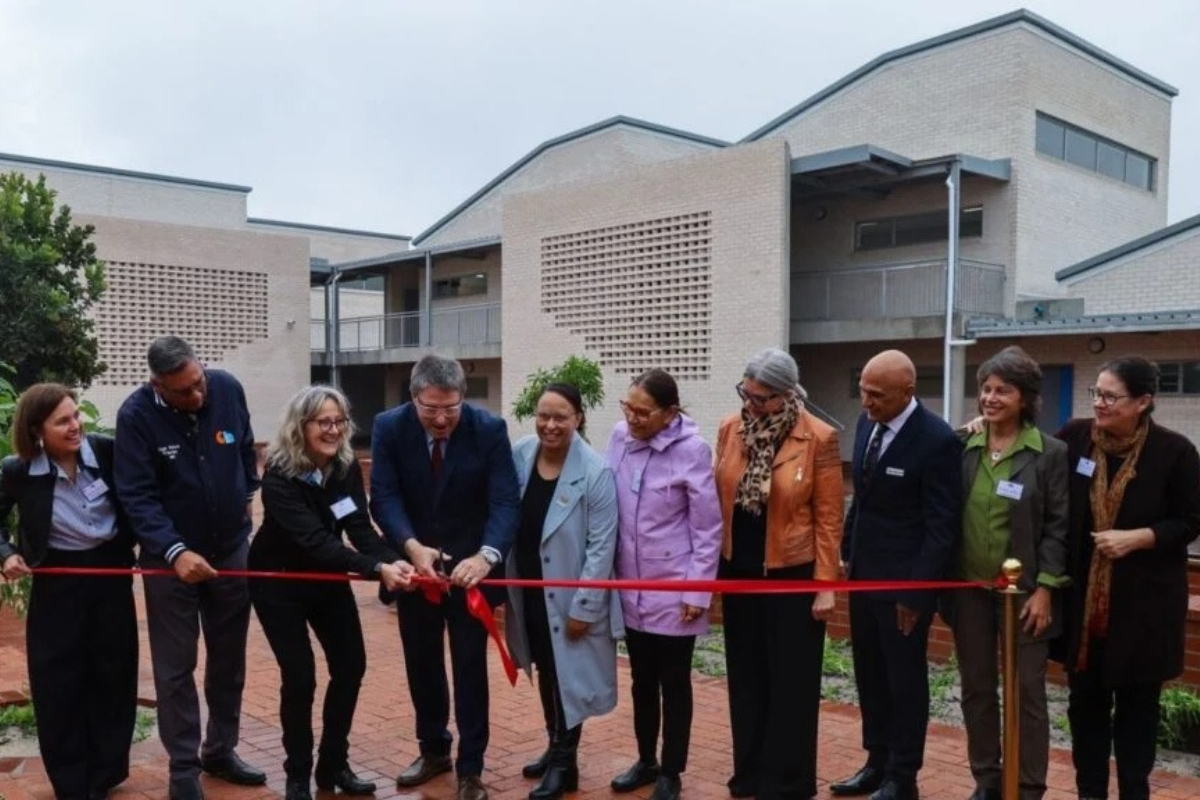 The expanded Ottery campus provides additional space for learners from the local community
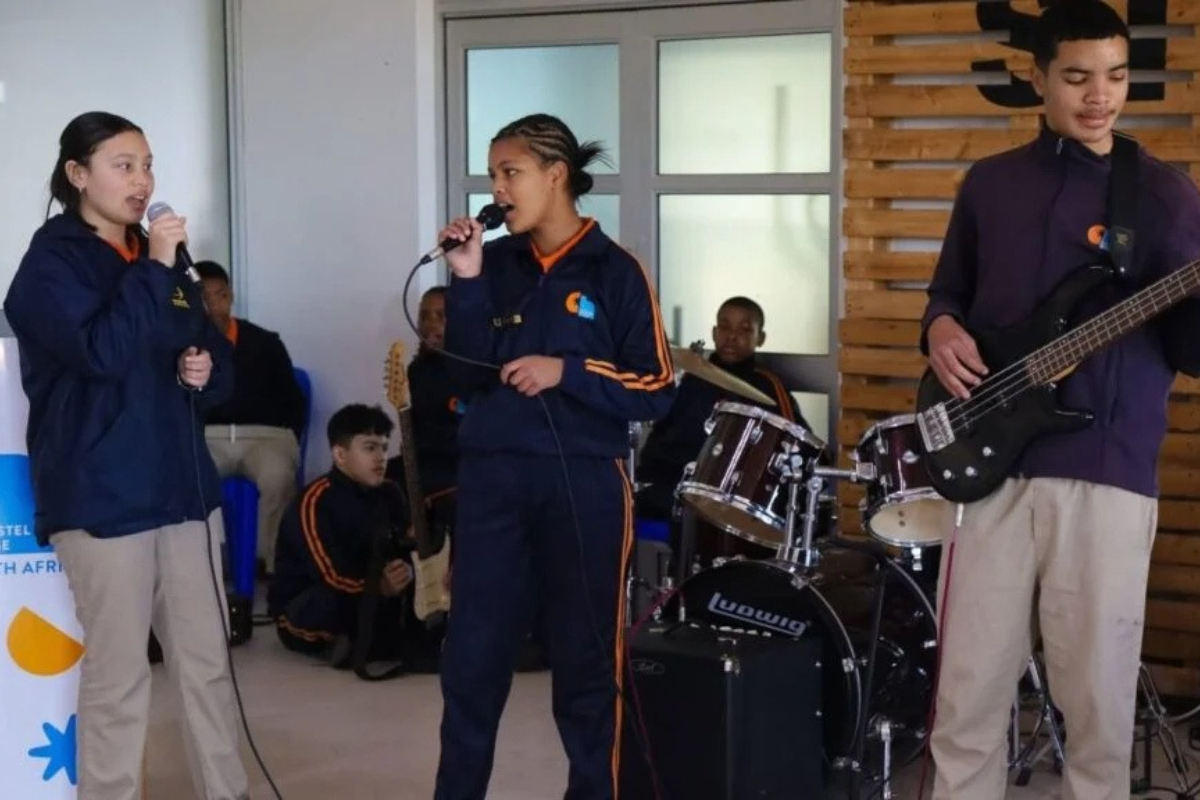 Students take part in learning activities as part of the school’s holistic education model
 The school’s long-term support helps graduates pursue higher education, employment and entrepreneurship
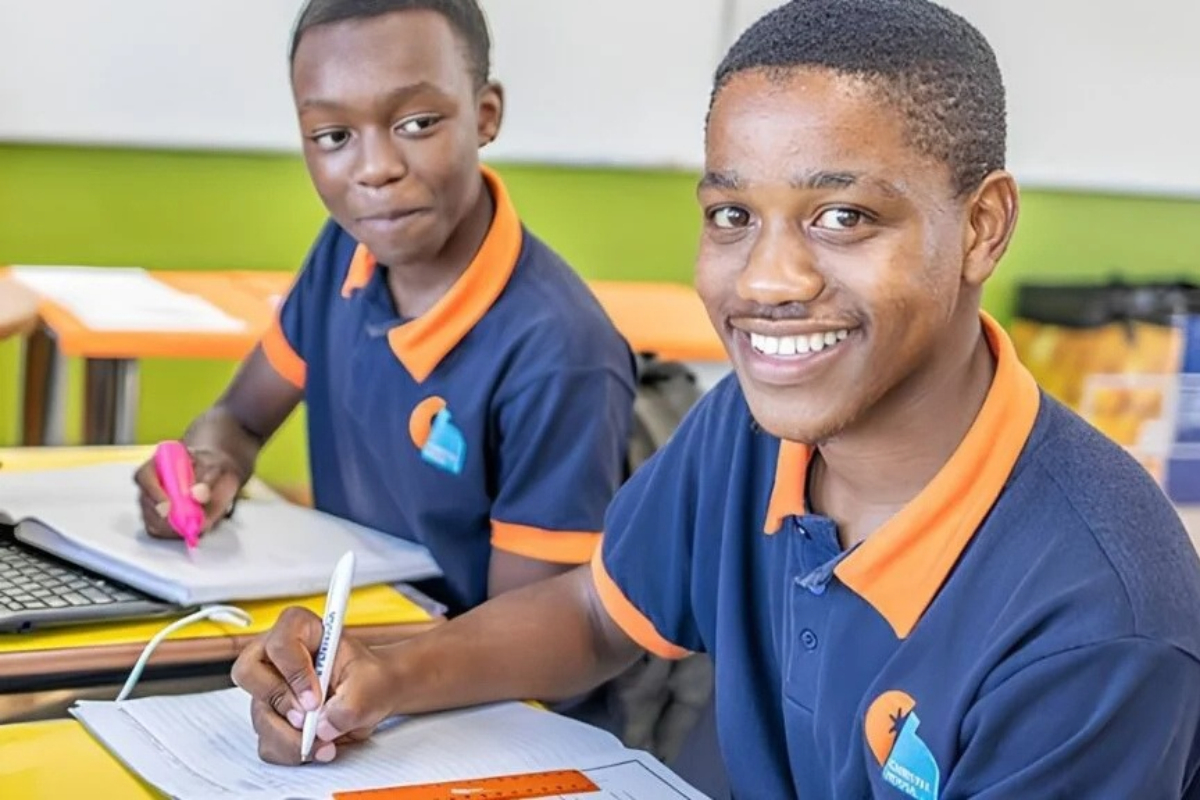 The school’s classrooms provide welcoming spaces for learning, collaboration and student development
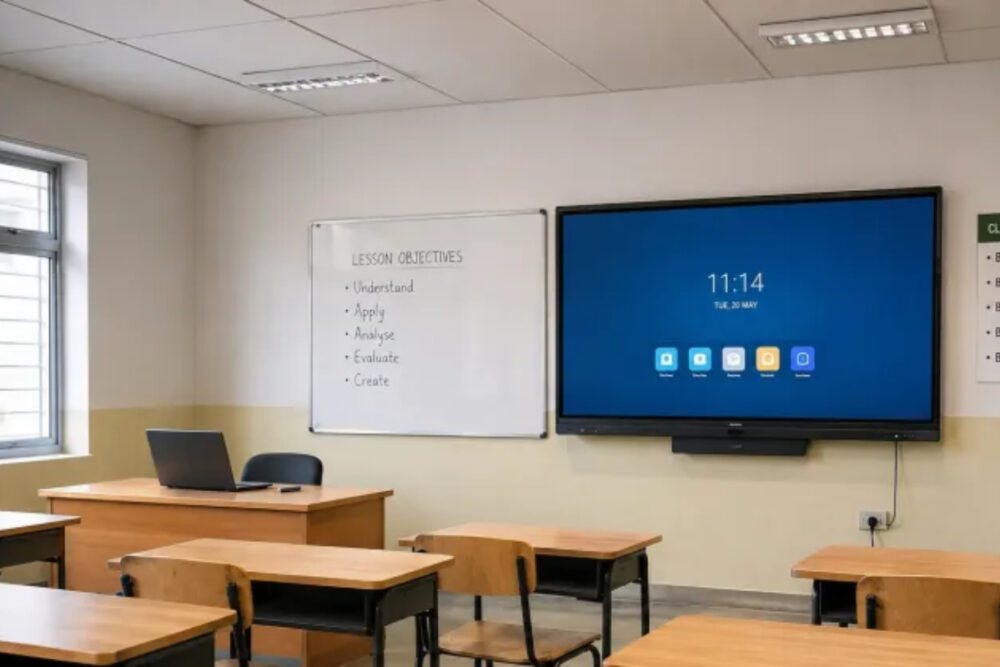
 Bright classrooms at Christel House South Africa provide a focused environment for learning
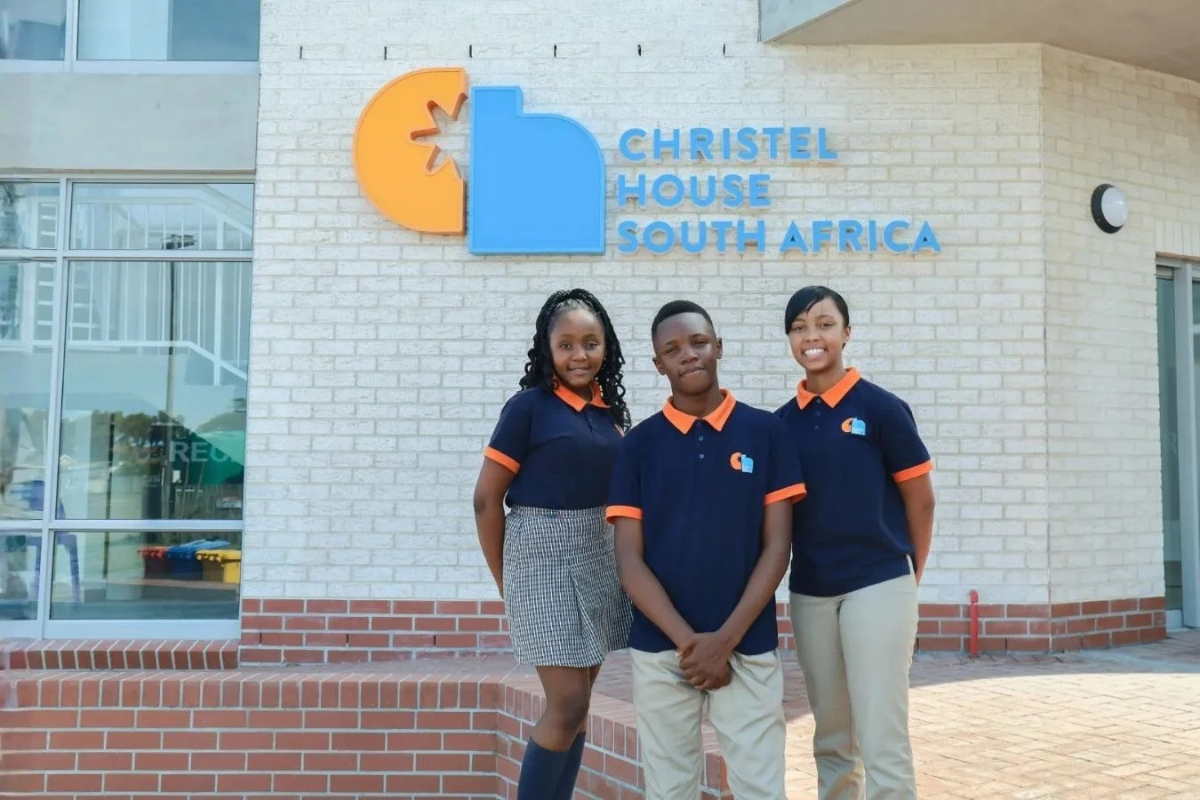 Christel House South Africa’s Ottery campus provides a supportive environment for learning and student development
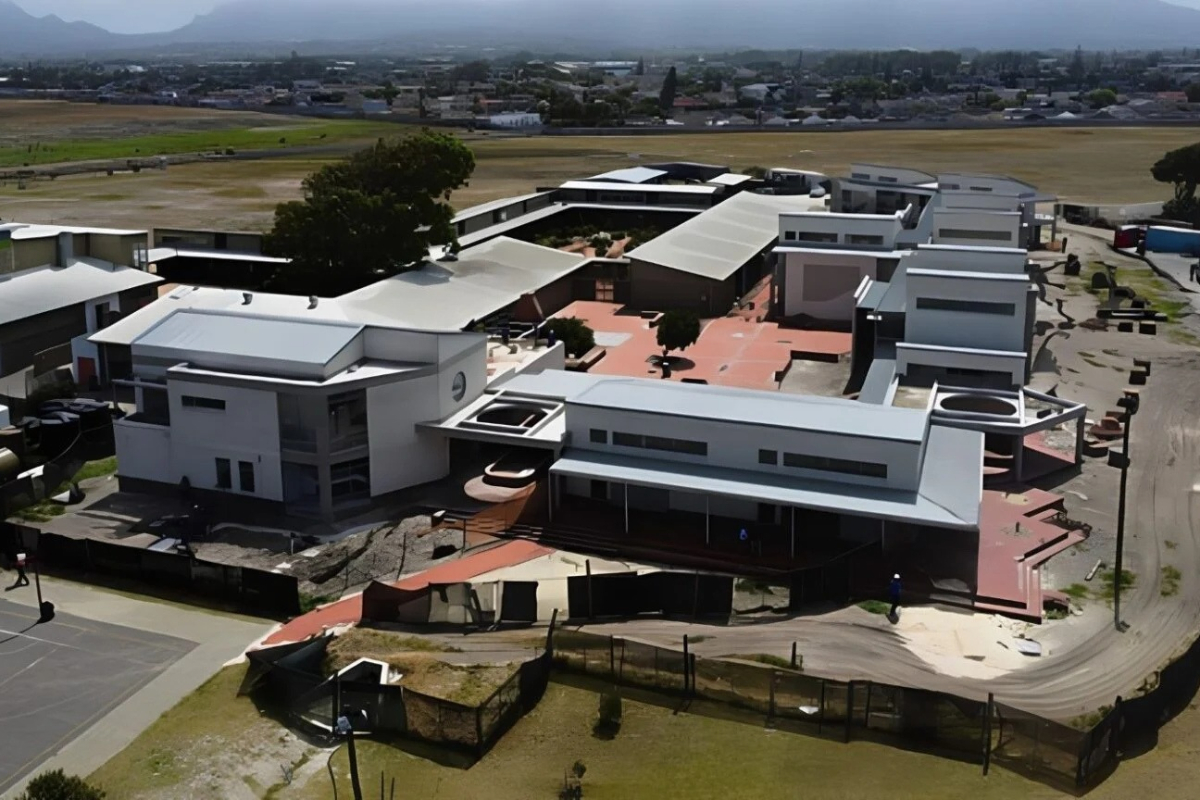 Christel House South Africa’s Ottery campus has expanded to provide places for more learners
A 99% Matric Pass Rate And Diverse Career Paths
Academic outcomes are an important part of Christel House South Africa’s story. The school reports an overall Grade 12 pass rate of 99% since its inception, while its official impact data records a 70% Bachelor pass rate for the Class of 2025. The organisation also reports that 95% of its alumni are working or studying.
However, the school’s latest annual report provides a more specific picture of the Class of 2025. It records a 96% Matric pass rate and a 95% rate for alumni working or studying.
These figures highlight the value of long-term support. Students receive help not only to complete school, but also to move into further education and employment.
The school’s alumni have followed varied career paths in medicine, engineering, environmental work and business. Nathan Daniels studied medicine at Stellenbosch University and became a medical doctor. Daniels said,
“My experience at Christel House has been life-changing. In hindsight, I can say that I would not be at this point without the help of the school.”
Nontando Fani was Christel House South Africa’s first valedictorian in 2009. She later studied chemical engineering and quality management before establishing her own business.
Their experiences illustrate the longer-term purpose of the school’s model. Students can use education as a pathway to higher education, employment and entrepreneurship.pathway into higher education, employment and entrepreneurship.
Expanding Access While Supporting Students Beyond School
Christel House South Africa is expanding its facilities to reach more learners and respond to demand for quality high school places in the Western Cape.
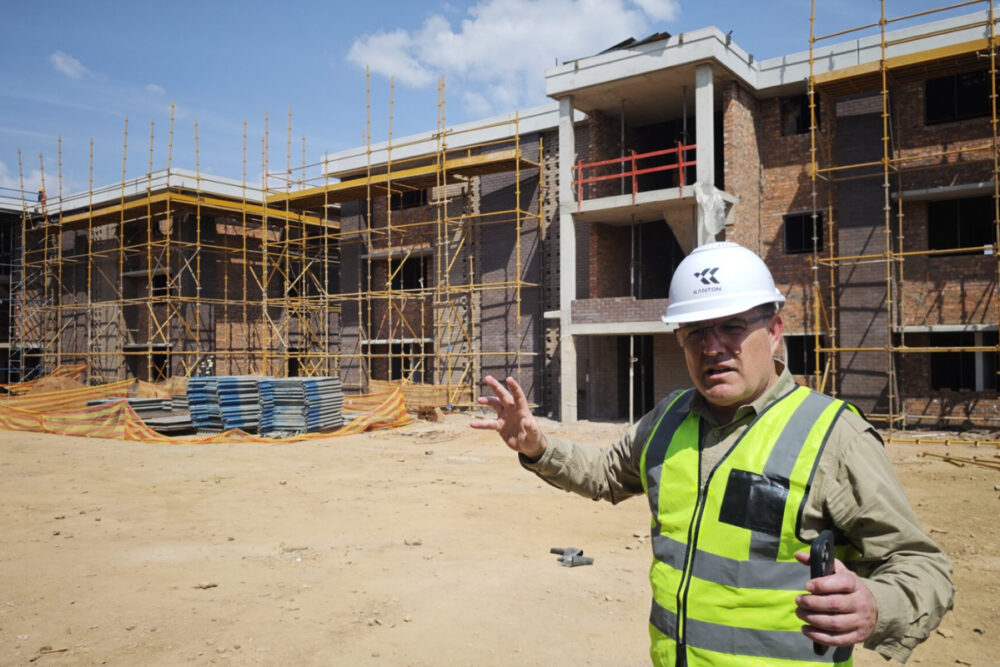
In May 2026, the organisation opened a new high school building at its Ottery campus. The facility can accommodate up to 300 additional learners and includes modern classrooms, a media centre, a computer applications technology laboratory and administrative offices.
The school is also planning further expansion of its junior school to increase the number of learners it can serve.
For parents, the model shows the importance of looking beyond tuition fees when considering access to education. Transport, nutrition, healthcare and emotional support can all influence whether students engage fully with learning.
For educators, it highlights the connection between academic progress and wider student wellbeing. Meanwhile, school leaders can consider how partnerships and community support can help address challenges outside the classroom.
The school’s experience also demonstrates the value of sustained support. Rather than ending assistance when students complete school, Christel House continues supporting graduates for five years after Matric.
Christel DeHaan’s Vision Continues
DeHaan died in 2020, but the education model she established continues through Christel House schools and programmes.
Her vision focused on removing the barriers that can prevent children from reaching their potential.
“The obstacles facing Christel House students are daunting,” she said. “But every day our students come to school, learn, and set their sights on a better tomorrow.”
Today, Christel House South Africa continues that work in Cape Town. Its combination of no-fee education, practical support and long-term career guidance offers a different way of thinking about educational access.
Ultimately, the school’s experience suggests that helping students succeed may require more than providing a place in a classroom. It can also mean addressing the barriers that make learning difficult in the first place.