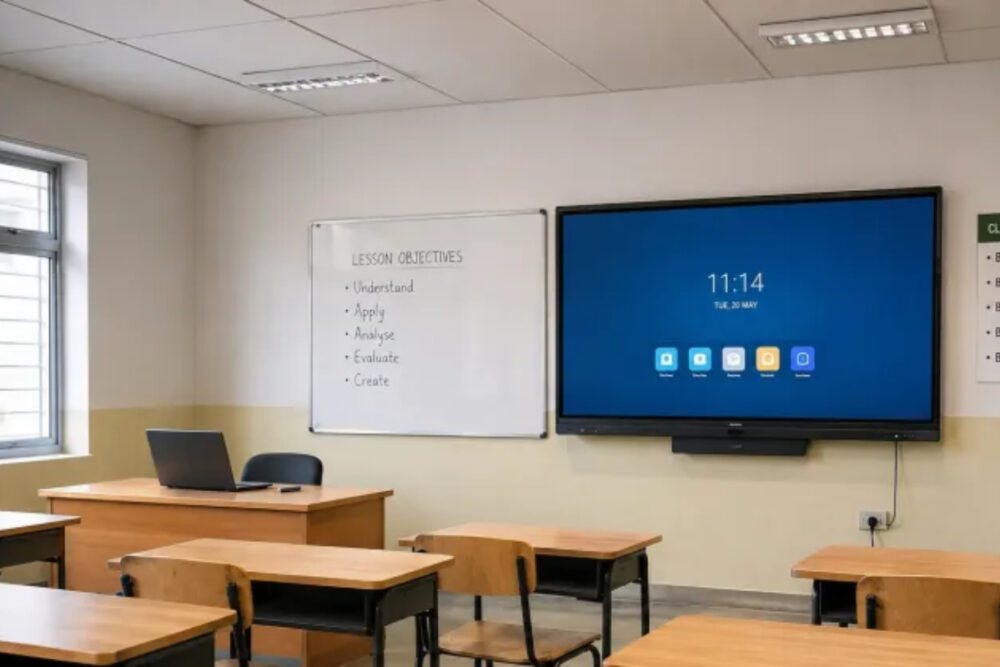
In a bold move to prepare its young learners for a rapidly changing world, Ethiopia has incorporated Information Technology, including basic coding, into the new Grade 7 curriculum. This shift is part of the national education reform by the Ministry of Education aimed at fostering digital literacy, critical thinking and technical skills from early secondary school. Parents and students alike stand to gain from this forward-looking change.
“Work is underway to establish a foundation for Ethiopia’s prosperity by nurturing a generation equipped with digital capabilities and a future-oriented mindset.”
Prime Minister Abiy Ahmed
What’s New in the Grade 7 Curriculum
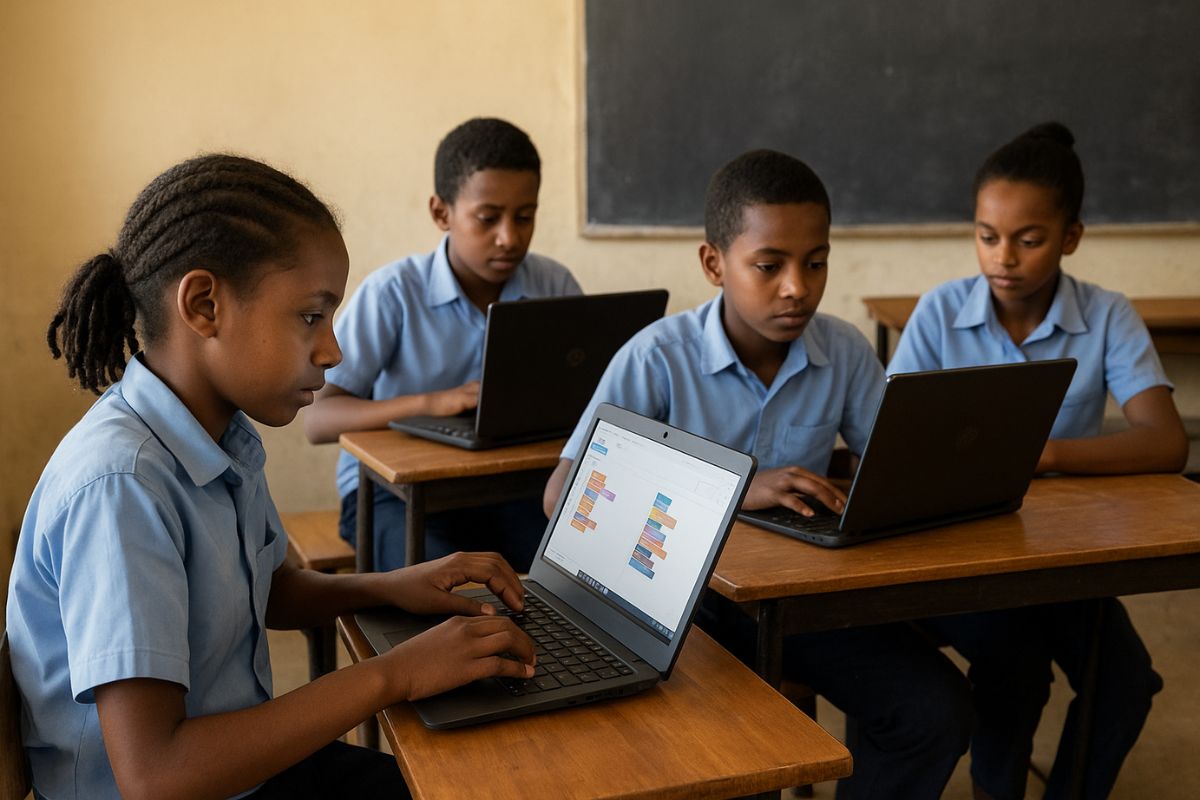
From Grade 7 onwards all students across public and private schools under the national curriculum will study Information Technology as a core subject. The new IT curriculum includes units on basic computer hardware, software, internet usage, cybersecurity and safety, and an introduction to programming using a visual / logic-based language (LOGO).
These changes form part of Ethiopia’s updated “New Curriculum” or Revised General Education Framework, which was developed to respond to national and global education needs.

At a Glance
- 6 curriculum units / 94 pages – the size of the official Grade 7 Information Technology textbook.
- 5 million coders goal – the Ethiopian government’s broader target to train 5,000,000 young people in digital skills.
Why This Matters for Students
- Digital Readiness
In a world where even everyday tasks require some digital knowledge, learning about computers, internet and software early gives students confidence. They become more comfortable using technology safely and effectively. - Problem Solving & Logic
Programming, even at a basic level, teaches logical thinking, breaking down problems, following instructions, and debugging mistakes. These skills are useful beyond computing in science, maths and daily life. - Future Opportunities
As Ethiopia develops its digital economy, skills in ICT will be increasingly important. Students with IT foundations are better placed for further study, vocational training or careers in technology related fields.
What Parents Should Know
- Textbooks and Resources: The student textbook for Grade 7 IT has six units and about 94 pages. It is structured to be student-centred with activities, hands-on exercises and examples.
- Language of Instruction: From Grade 7 to Grade 12 students will be taught using English for many subjects, including IT, though mother tongue instruction continues in lower grades.
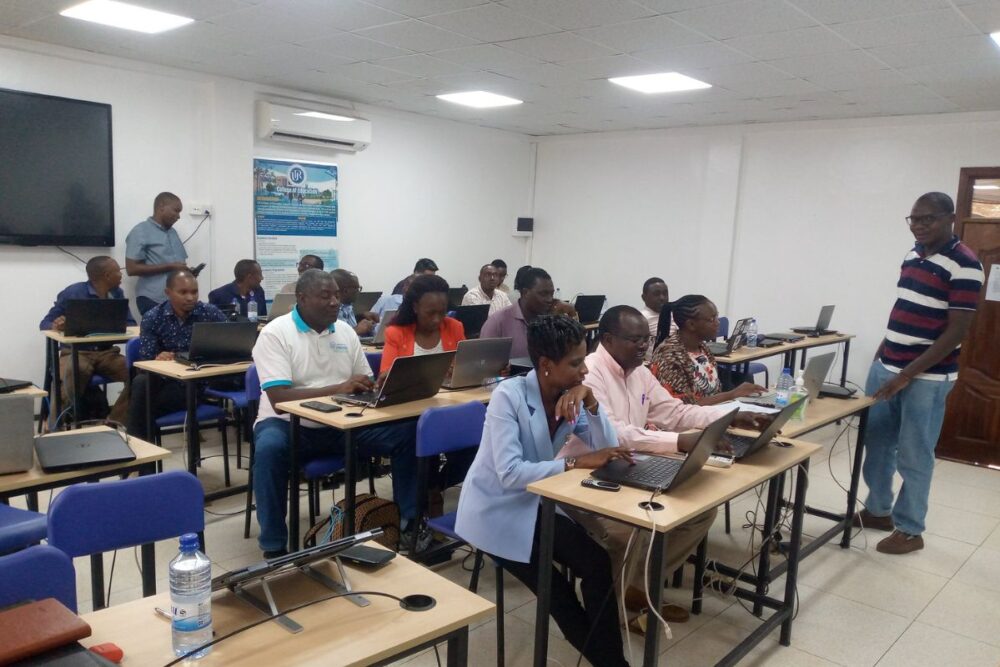
- Teacher Training and Capacity: One of the biggest challenges will be ensuring teachers are well trained to deliver IT, especially in more remote or under-resourced areas. The government and partner organisations are working on equipping schools and educators with needed tools.
Challenges to Be Addressed
- Infrastructure: Schools need computers, reliable electricity and internet access for students to practice. Without these, the curriculum risks being theoretical rather than practical.
- Equity: Rural schools often lag behind urban ones in terms of supply of equipment and trained staff. Ensuring all students get the same quality is essential.
- Continuous Support: IT changes quickly. Updating resources, curricula, maintaining hardware and supporting teachers are long term tasks.
How Students Can Get Ready
- Stay Curious
Use any available computer at home or school. Try basic tasks like exploring simple programming environments or use free online tools to familiarise with software, hardware and internet. - Participate Actively in Class
Ask questions, try out exercises, collaborate with classmates. Practical learning will make a big difference. - Seek Extra Learning
Many non-profit, private and digital platforms offer free or low cost coding workshops or tutorials. These can strengthen understanding and give more practice.
Why Parents Should Be Supportive
Parents play a crucial role in helping children succeed. Encouraging safe and balanced screen time, ensuring students have access to resources (computer, suitable space to work), and supporting their curiosity are key. Also engaging with school: asking how IT is taught, whether students are getting hands-on practice, whether homework involves both theory and practical tasks.
Overall Refection
Ethiopia’s decision to add coding and broader IT education to Grade 7 curriculum is a significant step forward. It recognises that literacy today includes more than reading and writing; it includes digital skills. While there are challenges especially in infrastructure and ensuring equality this reform opens up exciting possibilities for students. Those who embrace these new opportunities will be better prepared for higher education, vocations, and a future in which digital skills are ever more important.