One of South Africa’s oldest towns is set to receive a major boost with plans for a new private school in Mashishing, formerly known as Lydenburg. Designed by dhk Architects, the project adds to the firm’s growing education portfolio, which includes developments at the University of Cape Town, Bishops’ learning centre, Parklands College, and Battery Park.
The project could also mark a significant step in the revival of the town of 37,000 people, with its historic industries of gold mining and trade fading.
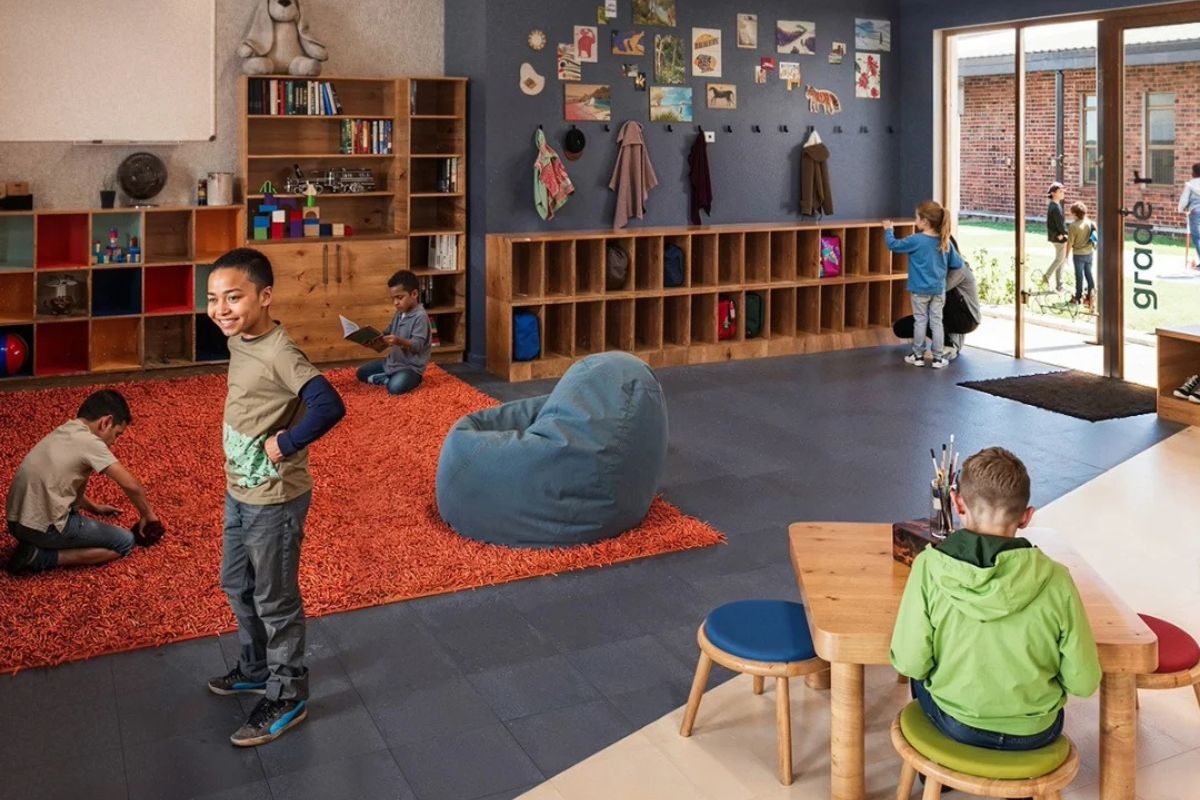
“Our education portfolio continues to grow steadily, from university campus buildings to schools. These projects incorporate spaces that facilitate progressive teaching techniques and philosophies.” dhk Architects said in a social media post.
Plans For the New Campus
While short on detail, the firm said that it has designed a new private school in Mashishing, Mpumalanga, as part of the expansion of its education portfolio.
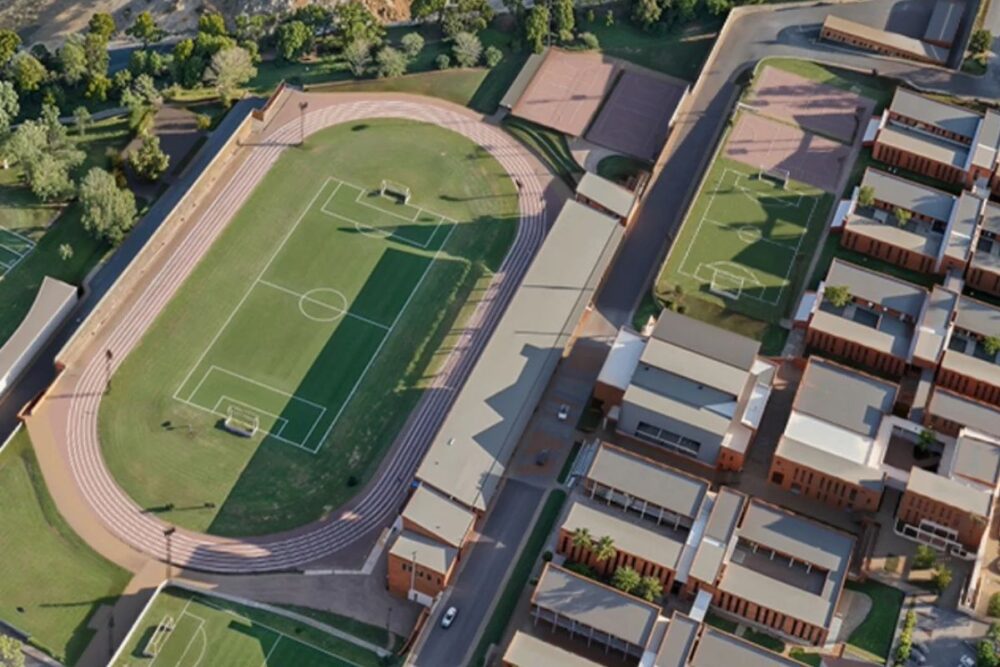
“The school, designed for Thanbeng Developers, accommodates learners from pre-primary to Grade 12. The masterplan for the new campus comprises a series of classroom buildings around courtyards linked with a series of shared cultural and technology hubs which are anchored back to an admin building and grand hall.”
dhk Architects
The masterplan also features sports facilities, accommodates future phases, and identifies opportunities for expansion, and is set to play a prominent role in the town.
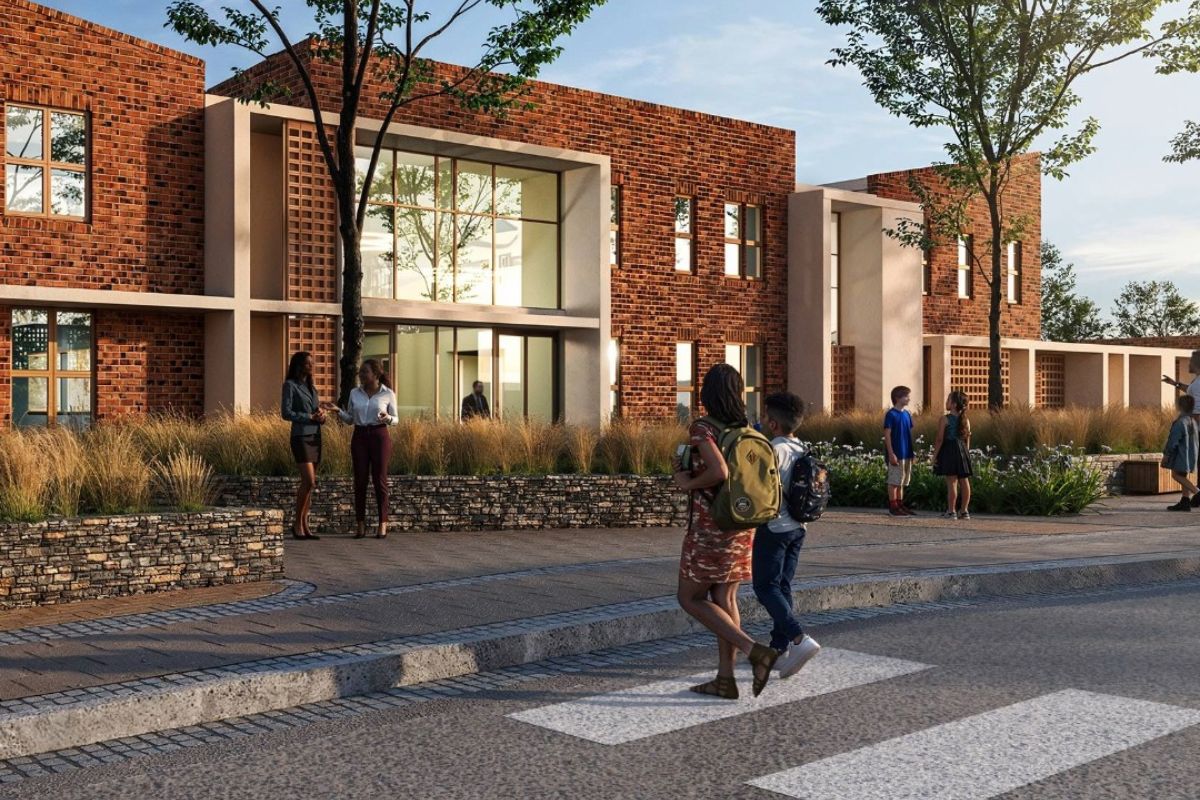
Mashishing’s new school will mark only the second full-school development for dhk Architects after Parklands College in 2019.
A Town Shaped by History and Industry
Mashishing is one of the oldest consistently inhabited towns in northern South Africa, founded in 1849 by Voortrekkers led by Andries Potgieter. Originally named Lydenburg, meaning “Town of Suffering” in Dutch, the settlement reflected the hardships faced by early settlers following a malaria outbreak at a previous location.
The town grew in importance during the late 1800s as a key route to Delagoa Bay, now Maputo, allowing Boer republics to trade internationally without British control. Its expansion accelerated after the discovery of gold in 1873, although later conflicts between the British and Afrikaners curtailed growth.
Over time, Mashishing evolved into a centre for agriculture, tourism, and fly fishing, before experiencing renewed economic activity through chrome mining and nearby ferrochrome smelters.
Economic Pressures and Cautious Optimism
Mining has long underpinned the local economy, but rising electricity costs have placed severe strain on smelters across Mpumalanga. Prices have increased sharply since 2008, forcing closures and job losses as exporting raw materials becomes more viable than local processing.
Efforts to stabilise the sector have included tariff adjustments approved by National Energy Regulator of South Africa for companies such as Samancor Chrome and the Glencore-Merafe joint venture, offering some hope for towns like Mashishing that rely heavily on these industries.
Property Demand and Signs of Renewal
The new school could become a key symbol of renewal for Mashishing, particularly as demand for property in the town rises. According to Seeff’s Anna-Marie de Jager, most homes sell between R800,000 and R1.6 million, with properties in estates or near schools exceeding R2.3 million.
The town is also working to rebuild its reputation following years of maladministration, police corruption, and allegations of criminal involvement among authorities.
With new investment in education and infrastructure, Mashishing may be entering a new chapter in its long and varied history.