For decades, Egypt’s K-12 system has faced three core challenges: a chronic shortage of teachers, ageing infrastructure, and curricula that do not adequately prepare graduates for private sector employment. The government’s 2030 strategy, outlined in the second edition of the National Narrative for Comprehensive Development, signals a major policy shift towards stronger private sector participation and an increased focus on technical education.
The strategy aims to increase the private sector’s share of the education market to 20% by 2030. For education providers, this is expected to lead to eased licensing procedures for nurseries and schools. For industries, the move indicates a growing supply of technically skilled graduates to help address labour shortages.
Addressing Teacher Shortages and Classroom Overcrowding
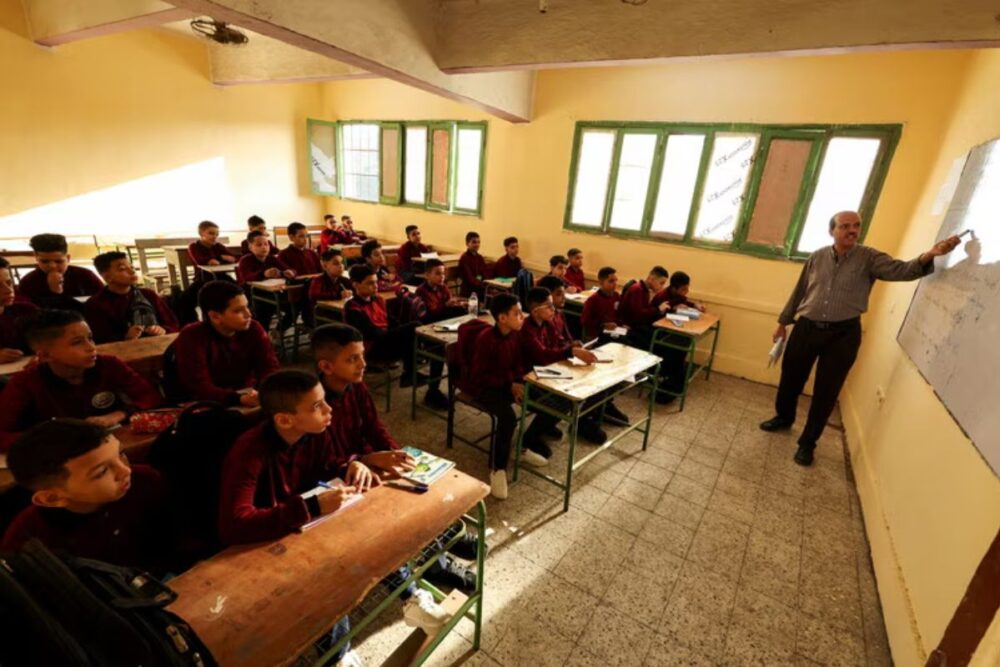
The government has pledged to reduce class sizes to 30 students per classroom, compared with 40 students in the previous fiscal year. The initiative will prioritise high-density governorates including Giza, Assiut, Minya, Sohag, Fayoum, Qena, Cairo, Beni Suef and Qalyubia. Authorities also aim to lower the student-to-teacher ratio to 20:1 by the end of the decade, down from 29:1.
To support this goal, funding has been allocated to recruit 167,000 contract teachers, with a focus on graduates from faculties of education. The government is also reducing lesson slots for core subjects from 12 to 8 in an effort to ease teacher workloads.
However, achieving these targets remains challenging, especially as Egypt lost approximately 127,000 teachers between 2018 and 2023. The narrative acknowledges these difficulties and proposes measures such as increasing the per-lesson rate for contract teachers from 20 Egyptian pounds to 50 Egyptian pounds.
Overcrowded classrooms raise concerns about learning poverty, where students attend school but fail to achieve adequate educational outcomes. This, in turn, affects workforce readiness and national economic growth.
Expansion of School Infrastructure
Authorities are working to construct between 13,000 and 15,000 new classrooms annually, building on the creation of 150,000 classrooms over the past decade. Additional measures include introducing rotating class schedules and extending the school week to six days in some areas.
The strategy also aims to increase enrolment in specialised and competitive education to 10% by 2030, up from 7% in the previous fiscal year. This expansion will include the development of Japanese, STEM, Nile and international public schools.
The government also plans to increase private sector participation in education, with private institutions expected to educate 15% of students by 2030, compared with approximately 12.7% currently. Although the increase appears modest, it represents a significant shift in responsibility in a system serving more than 25 million students.
Closing The Early Childhood Education Gap
The National Narrative highlights a 32% deficit in early childhood education centres recorded in the 2022 to 2023 fiscal year. To address this, authorities plan to simplify licensing for private nurseries and allow private schools to introduce early childhood classrooms. The initiative will also include new kindergarten curricula and enhanced teacher training.
By 2030, the government aims to increase the gross enrolment rate for children aged four to six to 35%, compared with approximately 22.8% in 2025. This will be supported by expanding kindergarten classroom availability across the country.
Strong Push Towards Technical and Vocational Education
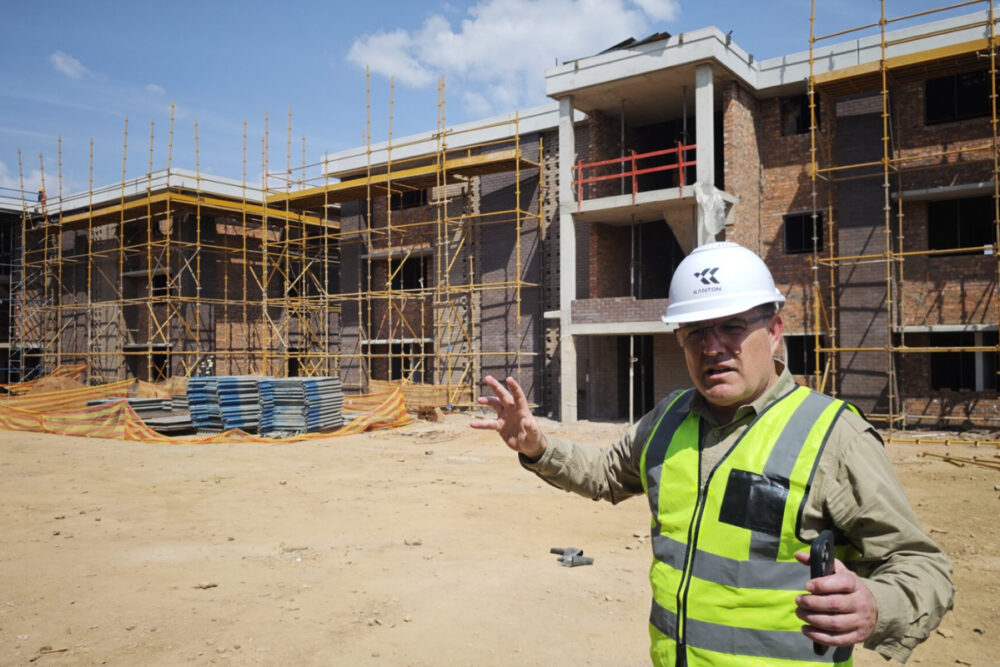
The strategy targets placing 55% of secondary school students into technical and vocational pathways by 2030, compared with 44% currently. A central component of this initiative is the applied technology schools model, developed in partnership with industrial players such as Elsewedy Electric and GB Corp.
Authorities also aim to ensure full employment placement for graduates from these programmes. However, achieving this ambition will require significant expansion, as only 511 applied technology schools currently operate nationwide.
Rising Popularity of Al Azhar Education
One of the most notable developments highlighted in the strategy is the rapid growth of Al Azhar schools. While enrolment in general public schools increased by just 1.1% over the past three years, Al Azhar institutions recorded a 15% growth rate.
Many families are reportedly choosing Al Azhar schools due to perceptions of stronger discipline and better teacher-to-student ratios. In response, the government plans to achieve a 30% accreditation rate for Al Azhar institutes by 2030, aiming to align quality standards with the national education framework.