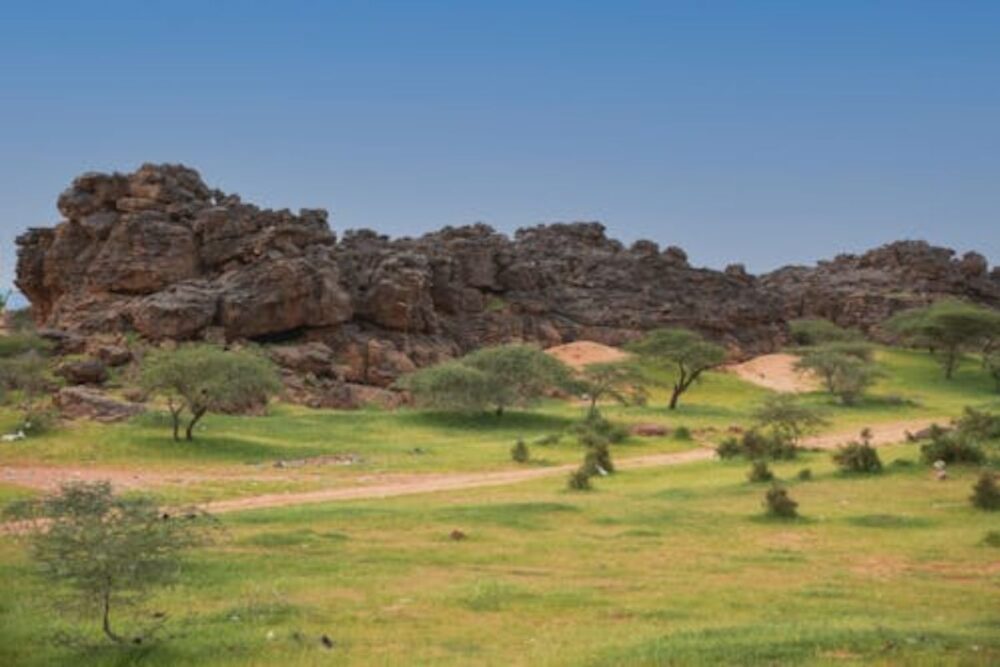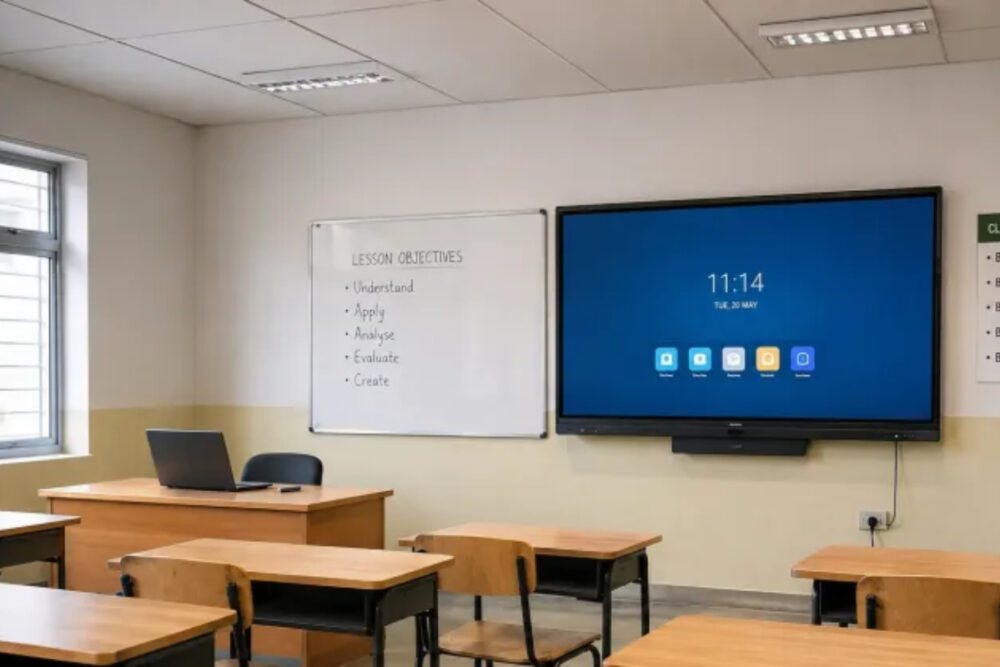
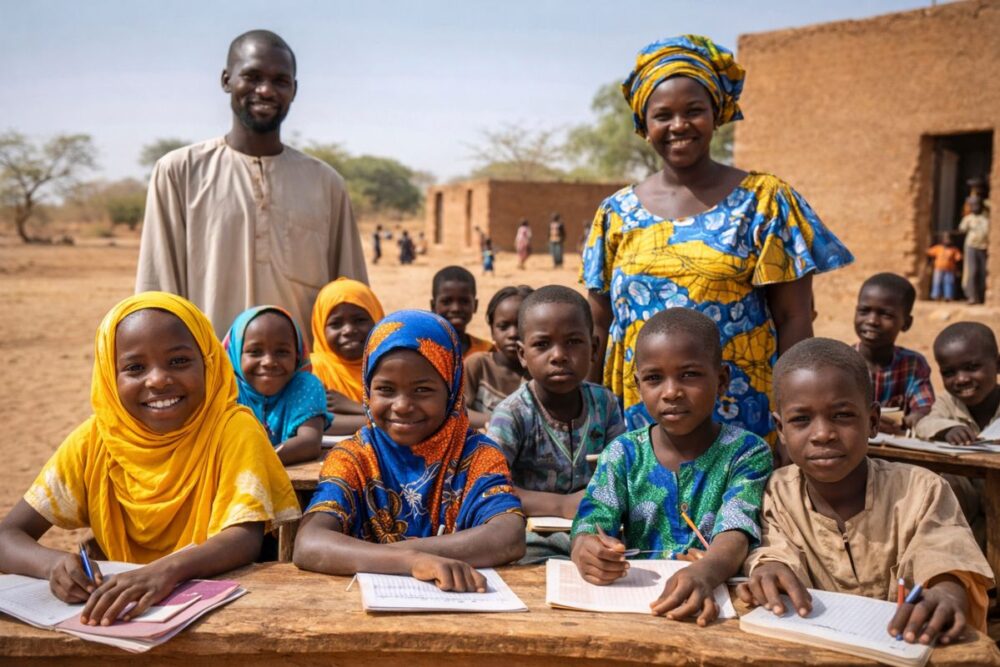
In 2024, UNICEF conducted a regional study across Burkina Faso, Chad, Mali, Mauritania and Niger to assess the main risks affecting the education sector and evaluate the capacity of national education systems to respond to crises.
The study provides a comprehensive analysis of education system resilience in the Sahel region and highlights the urgent challenges facing children’s access to learning in contexts affected by conflict, insecurity and climate change.
Study Funding and Analytical Framework
The research was co-funded by Education Cannot Wait through the Multi Year Resilience Programme for the Sahel from 2020 to 2024, and by the German Federal Ministry for Economic Cooperation and Development under the Building Resilience in the Sahel Programme and the Sahel Resilience Partnership from 2023 to 2027. The analysis was guided by the education system resilience framework developed by the Global Partnership for Education, providing a structured approach to assessing risk, response capacity and long term system strengthening.
Security and Climate Crises Undermining Education
The study highlights the combined impact of security instability and climate related shocks across Mali, Burkina Faso, Niger, Chad and Mauritania. These overlapping crises have resulted in widespread school closures, large scale population displacement and growing inequalities in access to education. As a result, the right to education for millions of children across the region is being severely compromised, with the most vulnerable communities facing the greatest barriers to learning continuity.
Resilience Strategies and System Responses
Building on a robust analytical framework, the study outlines resilience strategies implemented by governments and their partners to mitigate the impact of crises on education systems. These include efforts to strengthen early warning mechanisms, improve crisis preparedness and response, and develop more flexible and alternative learning pathways to reach displaced and out of school children.
Call for Increased Investment and Regional Stability
The study calls for increased investment to modernise early warning and crisis management systems, expand adaptive learning opportunities, strengthen education infrastructure and reinforce social cohesion as a foundation for peace. By supporting education system resilience, the report underscores the role of education in fostering long term stability, social cohesion and sustainable development across the Sahel region.