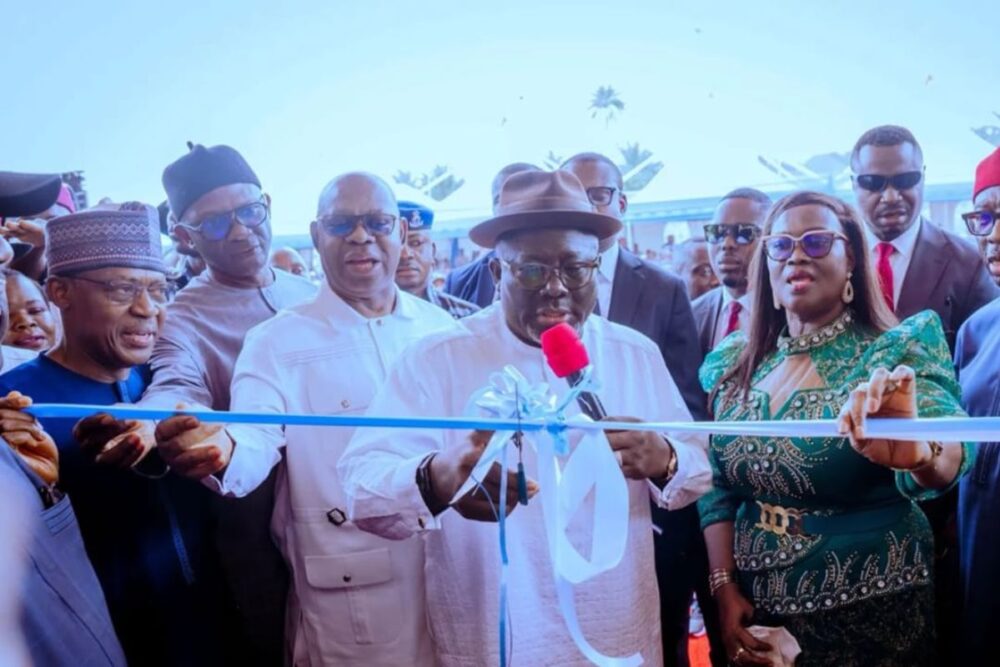
Delta State Governor, Sheriff Oborevwori has strengthened his administration’s education drive with the commissioning of key academic facilities at the University of Delta, underscoring a sustained commitment to widening access to quality higher education.
New Academic Facilities at Owa-Alero Campus
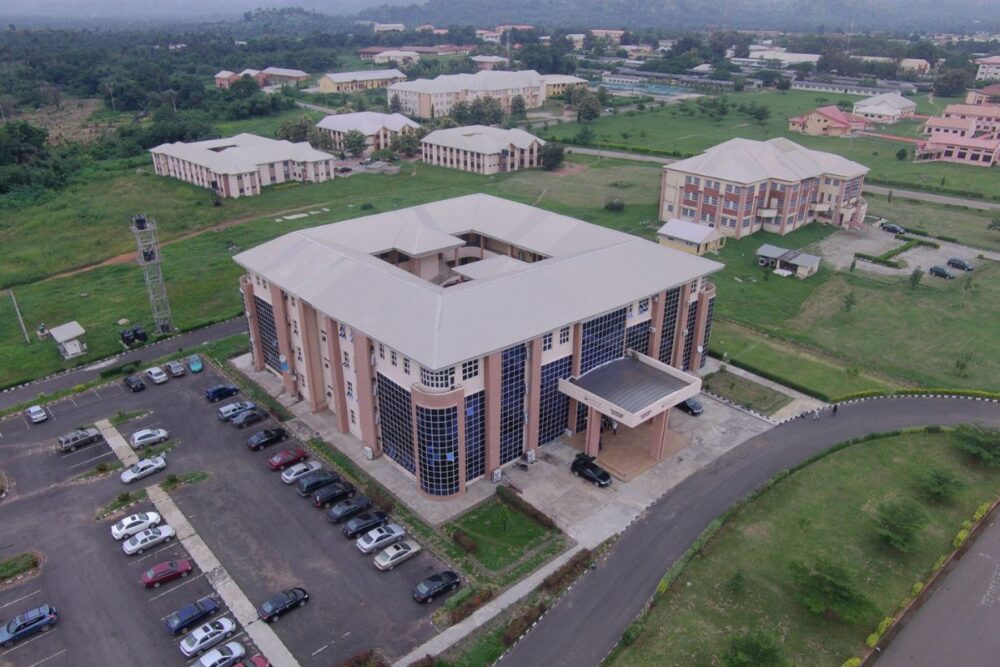
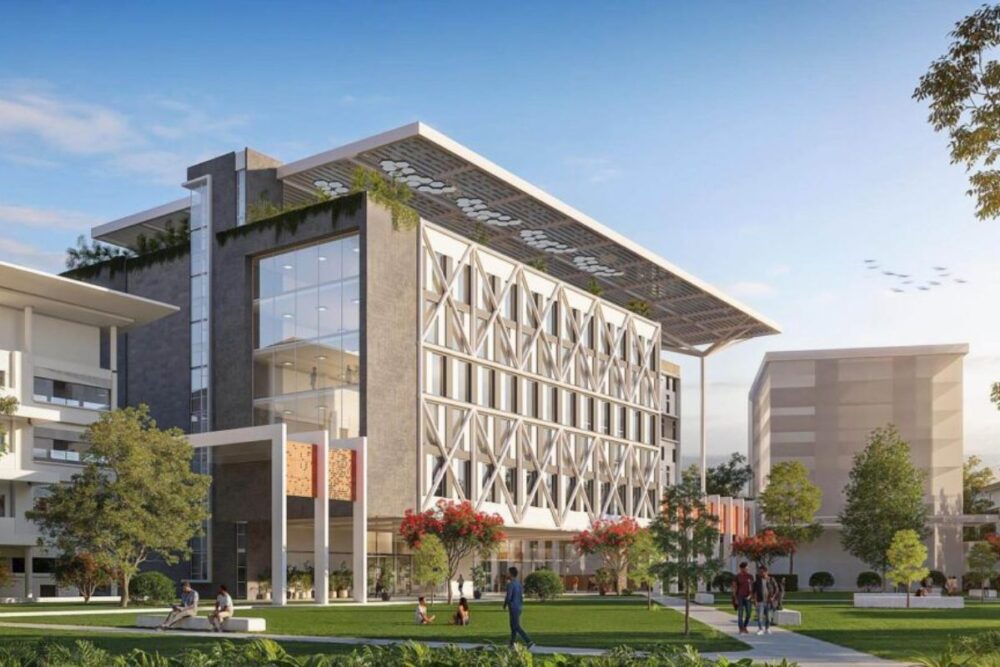
At the Owa-Alero Campus, the governor inaugurated the Faculty of Management and Social Sciences Complex, the Faculty of Environmental Sciences building, the Faculty of Engineering Lecture Hall and Workshops, a 500-seater central auditorium and a fully equipped central library.
Describing the ceremony as a “harvest of projects,” Oborevwori said the expansion reflects deliberate efforts to build institutional capacity and create opportunities for more young people to pursue university education within the state.
Expanding Access to Tertiary Education
As former Speaker of the Delta State House of Assembly, he was part of the legislative process that led to the establishment of three state universities in one day, the University of Delta, Dennis Osadebay University and Southern Delta University, a move aimed at addressing admission shortfalls that had left thousands of qualified applicants without placement annually.
What the New Facilities Mean
Standing inside the newly commissioned buildings, the scale of ambition is immediately apparent. The Sheriff Oborevwori Complex houses lecture rooms, offices, a student resource centre, media facilities and a 250-seat auditorium. The Faculty of Environmental Sciences includes two 250-seat auditoriums, classrooms, studios, staff offices, a faculty library and a 150-capacity seminar room. The Engineering Complex features workshops for metalwork, carpentry, mechanics, foundry and welding, alongside a 200-capacity engineering studio. The Central Library seats 426 students; the main auditorium accommodates 500.
“You are not just constructing buildings; you are constructing the future of Delta State.”
Vice-Chancellor Professor, Stella Chiemeke
Today, UNIDEL accommodates about 17,000 students. Former governor Ifeanyi Okowa, who initiated the university project, noted that expanded access to tertiary education has helped reduce youth vulnerability and improve social stability.
Building Human Capital for the Future
Oborevwori also commended private sector support for education, highlighting Midwestern Oil and Gas Company Limited’s scholarship investments, and reiterated that sustainable development must integrate infrastructure, institutional reform and youth empowerment.
The administration maintains that strengthening universities remains central to building human capital and preparing Delta youths for a knowledge-driven economy.
A State Being Built Deliberately
Oborevwori’s administration is often associated with its most tangible outputs: flyovers, bridges, roads. But beneath the asphalt lies a broader philosophy. Universities expand intellectual opportunity. Scholarships widen access. Roads connect markets and communities. Regulatory agencies instil discipline. Local content laws protect economic participation. Sport unifies. And moral leadership strengthens resolve.
For the students now settling into lecture halls at UNIDEL, the impact is immediate. For contractors racing to meet revised deadlines, accountability is non-negotiable. For corporate leaders investing in scholarships, partnership is strategic. For athletes preparing for regional competition, opportunity beckons.
As the applause faded at Owa-Alero, what remained was not merely the echo of ceremony but the quiet conviction that governance, at its best, is about constructing possibilities. Structures that endure long after the ribbon is cut.