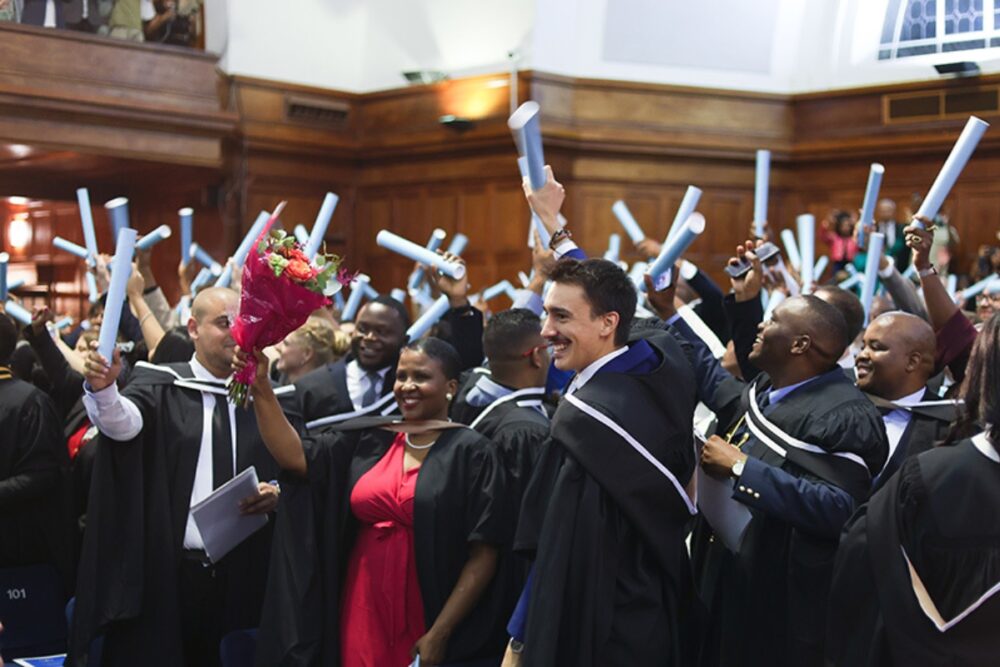
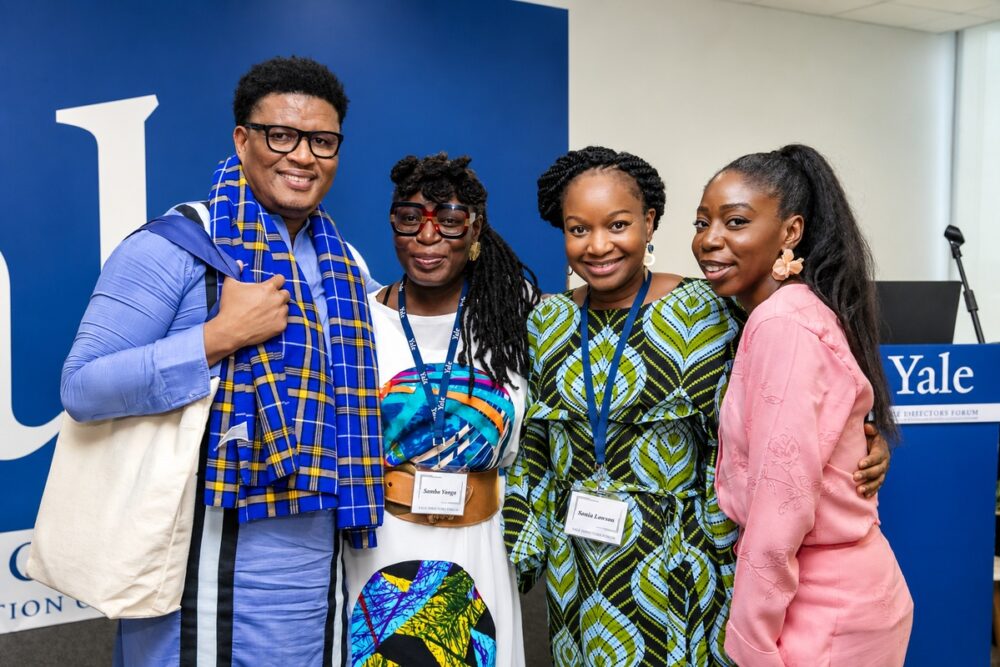
African cultural heritage, identity and economic opportunity were central themes at the Yale Directors Forum 2026 Global Symposium in Johannesburg. The gathering brought together cultural leaders from 15 countries to discuss how museums and heritage institutions can better represent African histories and knowledge.
Held from 12 to 16 October, the symposium examined the role of cultural institutions in preserving history while responding to present-day social and economic challenges. For educators, students and communities, the discussions highlighted the importance of understanding whose stories are told, who preserves them and who benefits from their cultural value.
Convened by Yale University’s Institute for the Preservation of Cultural Heritage, the event brought together museum directors, curators, conservators, academics and creative practitioners. Discussions covered textiles, food, music, photography, religious traditions and creative enterprises, extending the conversation beyond traditional museum collections.
African Cultural Heritage And The Importance Of Representation
A key theme was the historical exclusion of Black voices from cultural institutions and the appropriation of African heritage by global commercial interests.
Charlotte Ashamu, director of international programmes at Yale’s Institute for the Preservation of Cultural Heritage, explained that the Yale Directors Forum grew from conversations with people establishing museums, libraries and cultural spaces across Africa.
Many were working in isolation and relying on their own resources. The programme was established to connect these leaders, encourage the exchange of knowledge and help them learn from one another’s experiences.
The network has since grown to include 28 fellows across 15 countries, with participation extending to Latin America and the Caribbean.
Through the programme, fellows have visited each other’s institutions, collaborated on projects and introduced organisational improvements. These have included staff training and specialised departments dedicated to collections management.
For educators, these discussions offer an important reminder that cultural knowledge is not limited to textbooks or formal institutions. Communities, families and cultural practitioners also preserve histories, skills and traditions that can enrich learning.
Why African Cultural Heritage Matters Beyond Museums
The symposium also highlighted the knowledge carried through African textiles and other cultural practices.
Ashamu drew on her personal connection to textiles through her mother, aunts and grandmothers. She emphasised that these traditions hold more than aesthetic value.
Textiles preserve histories, techniques and knowledge passed down through generations. However, African traditions are sometimes used by global fashion brands without sufficient recognition of their origins.
This raises questions about how cultural knowledge is documented, who receives credit for it and whether the communities sustaining these traditions benefit when they enter international markets.
For schools and educators, these issues provide opportunities to connect classroom learning with local history, traditional knowledge and creative practice. Students can explore how cultural traditions shape identity while considering questions of ownership, recognition and respect.
Furthermore, recognising the people behind these traditions can help younger generations understand the value of their cultural heritage and the importance of preserving it.
Reclaiming Black Histories Through Museums
The symposium also explored how museums can address historical inequalities and challenge practices that have excluded Black people from positions of influence.
Anthropologist and curator Hélio Menezes shared his experience at Museu Afro Brasil, now known as Museu Afro Brasil Emanuel Araújo. His work has focused on creating more inclusive and historically grounded accounts of society.
Menezes studied the museum for around 15 years before becoming its artistic director. Its collection demonstrates the central role of Africa and the African diaspora in shaping Brazilian identity.
He highlighted the legacy of the transatlantic slave trade, through which about five million Africans were brought to Brazil. Brazil abolished slavery in 1888, becoming the last country in the Americas to do so.
Despite the influence of African heritage on Brazilian art, culture and society, racial inequality remains a challenge. Menezes questioned the idea of Brazil as a racial democracy, arguing that the narrative obscures ongoing discrimination.
He also described institutional challenges involving conservation, governance, programming and publishing. The museum had limited engagement with contemporary African and Afro-Brazilian artists, curators, critics and other cultural practitioners.
For its first 15 years, the museum’s board consisted entirely of white men from Brazil’s elite. This highlighted the gap between an African-centred collection and the people holding decision-making power.
Making Cultural Institutions More Inclusive
Under Menezes’s leadership, the museum introduced contemporary African artists into its collection. This helped broaden its representation of African art beyond displays shaped mainly by ethnographic interpretations.
The museum also reconsidered how it presented slavery. Rather than focusing primarily on suffering and the aesthetics of torture, it sought to provide a fuller account of African and Islamic contributions to Brazil’s production techniques and labour history.
In addition, the institution expanded its treatment of Afro-Brazilian religions to recognise connections with other Black religious traditions across the Americas, including Cuba and the southern United States.
Its historical displays also underwent changes to improve representation. One section depicted about 85% Black men, prompting the museum to include more Black women and broaden the narratives presented to visitors.
These changes demonstrate how museums can review their collections and interpretation of history. For educators, they also underline the importance of presenting diverse perspectives and helping students examine how historical narratives are shaped.
African Cultural Heritage As A Source Of Economic Opportunity
Beyond representation and preservation, the symposium explored how cultural heritage can support livelihoods and economic development.
Discussions highlighted connections between heritage, tourism, creative enterprise and cultural businesses. Traditions and historical knowledge can create economic opportunities while strengthening communities’ understanding of their identities.
Johannesburg provided a relevant setting for these conversations. The city’s cultural life spans neighbourhoods, music, food, photography and contemporary creative industries.
The programme also included a visit to Eyethu Heritage Hall in Soweto, a cultural space connected to the legacy of Eyethu Cinema, one of South Africa’s first Black-owned cinemas.
Hosted by Yale Directors Forum fellow Batana Vundla, executive director of Eyethu Heritage Hall, the visit included musician Yvonne Chaka Chaka.
The engagement highlighted the importance of community-based cultural spaces and the people who preserve histories beyond conventional museum settings.
For students and aspiring creative professionals, these discussions point to the potential links between cultural preservation, entrepreneurship and employment. They also show why heritage should be recognised as a living resource that communities can protect while developing sustainable opportunities.
Building Stronger Networks For Cultural Preservation
The Yale Directors Forum aims to strengthen collaboration among cultural leaders and support institutions in preserving collections, expanding public engagement and responding to changing social realities.
Its international network offers opportunities for practitioners to exchange expertise and address shared challenges. This is particularly important for institutions whose work depends on limited resources or specialist knowledge.
Ultimately, the symposium placed African cultural heritage at the centre of conversations about identity, representation and economic participation.
For education communities, its wider message is that preserving heritage involves more than protecting objects and buildings. It also means recognising the people, knowledge and traditions that shape communities, ensuring their stories are represented and helping future generations understand their significance.