
Afrocentric education can help children develop a strong sense of identity while building the critical thinking and leadership skills they need for the future. At Freedom International Schools-Africa, African heritage and the International Baccalaureate (IB) approach to inquiry-based learning come together to connect students’ cultural backgrounds with their education.
This approach encourages children to explore their history, ask questions and understand different perspectives. For parents choosing a school, it also raises an important consideration: how can education prepare children for international opportunities without losing their connection to their cultural roots?
How Afrocentric Education Builds Cultural Identity
Afrocentric education places African history, culture and perspectives at the heart of learning. At Freedom International Schools-Africa, students explore their heritage to better understand their place in the world.
For example, learning about African historical figures, thinkers and traditions can help children recognise the contributions made by people from their own communities. This knowledge can strengthen their sense of identity and encourage them to see themselves as capable of shaping the future.
However, cultural learning extends beyond textbooks. Students can connect their lessons with cultural practices, stories and experiences that reflect their lives outside school.
As a result, learning becomes more personal and meaningful. Children have opportunities to understand their heritage while developing the confidence to engage with people from different backgrounds.
Why A Culturally Responsive Curriculum Matters
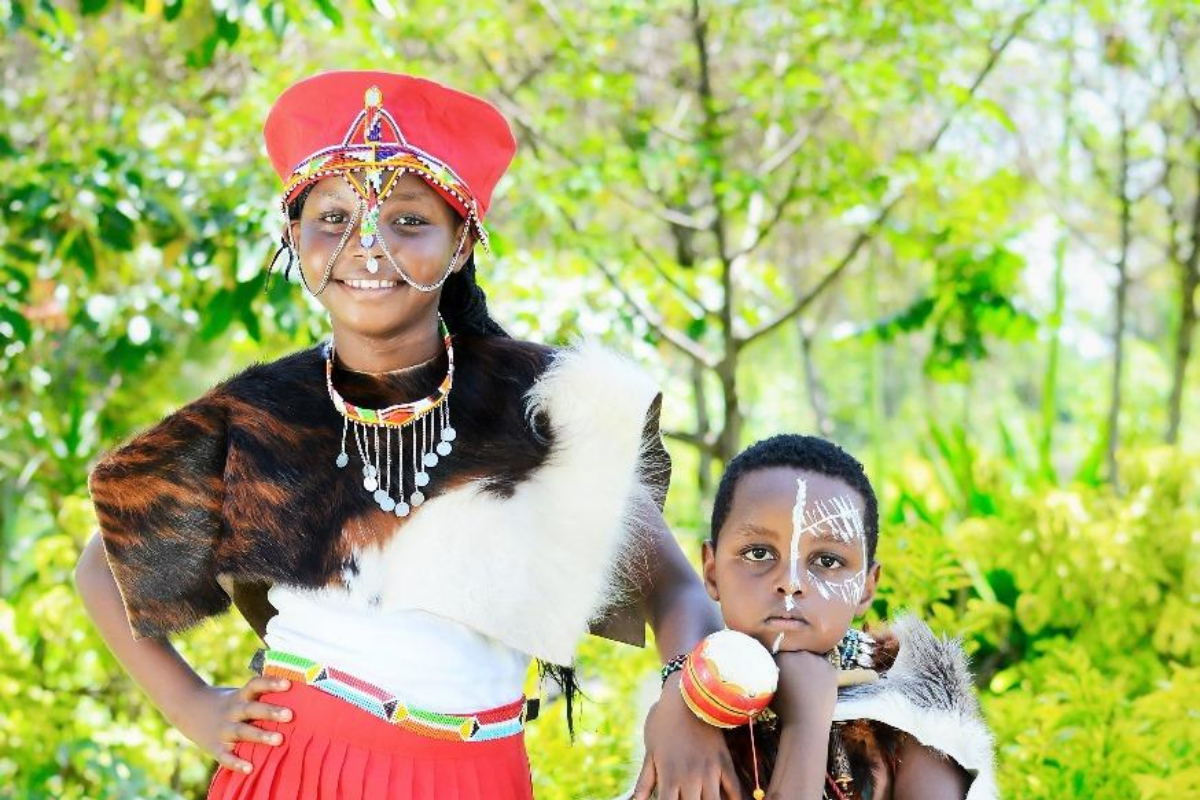
A culturally responsive curriculum recognises the backgrounds, experiences and perspectives students bring to school. When children see their identities reflected in their learning, they may feel a stronger sense of belonging.
Furthermore, connecting classroom lessons with students’ experiences can encourage participation and curiosity. It can also create opportunities for children to learn about cultures beyond their own.
These experiences help students develop empathy, respect and communication skills. They are particularly valuable in diverse school communities, where children encounter different beliefs, traditions and viewpoints.
For parents, the approach offers another way to assess a school’s learning environment. Alongside academic results, it is worth considering whether the curriculum respects students’ backgrounds and helps them understand the wider world.
How African Heritage Can Support Global Citizenship
A strong connection to African heritage can complement learning about global issues. Students explore how their communities relate to wider social, cultural and environmental challenges.
One concept that can support these discussions is Ubuntu, often expressed as “I am because we are”. It highlights the importance of community, shared responsibility and human relationships.
Through this perspective, students can consider how their decisions affect other people. They can also explore the responsibilities individuals have towards their communities and the wider world.
Moreover, learning about different cultures encourages children to approach unfamiliar ideas with curiosity rather than assumptions. This can help them develop the perspective and respect needed to participate in an interconnected world.
How The IB Curriculum Encourages Inquiry-Based Learning
The International Baccalaureate framework emphasises inquiry, reflection and the development of independent thinking. At Freedom International Schools-Africa, this approach complements the school’s focus on African heritage and identity.
Learning Through Questions And Exploration
Inquiry-based learning encourages students to ask questions, investigate ideas and develop their own understanding. Rather than simply memorising information, children explore how knowledge is formed and how it can be applied.
This approach can create opportunities to connect classroom learning with African storytelling, oral traditions and community knowledge. Students can consider different perspectives while learning to assess information and explain their conclusions.
Additionally, inquiry-based lessons encourage children to take an active role in their education. They learn to ask meaningful questions, discuss evidence and consider alternative explanations.
Developing Critical Thinking And Creativity
Critical thinking helps students analyse information, recognise assumptions and reach reasoned conclusions. Creativity enables them to approach problems from different angles and explore possible solutions.
Together, these skills support learning across subjects, from science and mathematics to the humanities and creative arts.
For example, a classroom investigation may require students to research an issue, compare viewpoints and present their findings. Such activities can develop research, communication and problem-solving skills.
However, these abilities need regular practice. Teachers play an important role by creating learning environments where students can explore ideas, make mistakes and reflect on what they discover.
How Afrocentric Education Can Develop Student Leadership
Leadership development is another part of the approach at Freedom International Schools-Africa. Students have opportunities to build confidence, take responsibility and consider how their actions affect others.
Building Leadership Through Everyday Learning
Leadership does not only develop through formal positions or school elections. Classroom discussions, group projects and extracurricular activities can also help children practise decision-making and collaboration.
Students can learn to express their views, listen to others and work towards shared goals. Meanwhile, opportunities to take initiative can help them develop a sense of responsibility for their learning and their communities.
An emphasis on service and collective progress also encourages students to consider leadership as a way to support others, rather than simply a position of authority.
Connecting Learning With The Community
Community-based learning allows students to explore issues beyond the classroom. Through suitable projects and activities, they can learn about local needs, social responsibility and the value of working with others.
These experiences can help children apply their knowledge to real situations. They may also encourage students to recognise how their skills can contribute to their communities.
Furthermore, community engagement can strengthen the relationship between schools, families and local organisations. This is particularly relevant to education models that place cultural understanding and shared responsibility at the centre of learning.
The Role Of Creative Arts In African Education
Music, dance, drama and visual arts provide additional ways for students to explore identity and express their ideas. At Freedom International Schools-Africa, the school’s approach includes creative arts as part of students’ educational experiences.
Through artistic activities, children can explore cultural traditions, develop their imagination and communicate ideas in different ways.
Creative projects can also encourage collaboration. Students learn to share ideas, respond to feedback and appreciate different forms of expression.
In addition, the skills developed through the arts can support learning in other subjects. Confidence, communication and creative problem-solving are useful in academic work and everyday life.
What Parents Should Look For In An Afrocentric IB School
For families considering an Afrocentric education, the central question is how a school translates its educational philosophy into everyday learning.
Parents may wish to ask how African history and perspectives appear across different subjects, how teachers encourage independent inquiry and how students participate in community activities.
It is also useful to explore how the school assesses academic progress, supports students’ wellbeing and develops leadership skills. These practical details can help families understand how the curriculum works beyond its stated aims.
At Freedom International Schools-Africa, the combination of African heritage and IB inquiry offers a way to connect cultural identity with broader academic and personal development.
Ultimately, a meaningful education should help children understand where they come from while giving them the knowledge, confidence and skills to engage with the wider world.