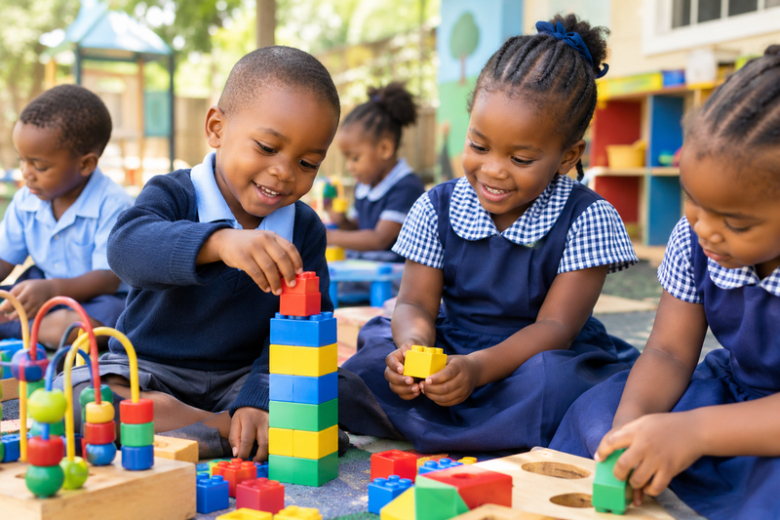
For young children, learning does not always look like sitting at a desk with a workbook. Across Kenyan nurseries and early years settings, play can provide a practical way for children to develop language, numeracy, social skills and confidence.
Play gives young children the chance to explore ideas through movement, conversation, creativity and hands-on experiences. At the same time, teachers can use these activities to introduce important early learning skills.
For parents, this can be reassuring. A child who spends time building, pretending, singing, exploring outdoors or playing with others may be learning more than it first appears.
Kenyan early years settings are increasingly placing importance on learning experiences that allow children to participate actively rather than simply listen and repeat.
Why Play Is Important In The Early Years
Young children learn through experience. They need opportunities to touch, move, experiment, ask questions and discover what happens when they try something new.
Play can support this natural curiosity.
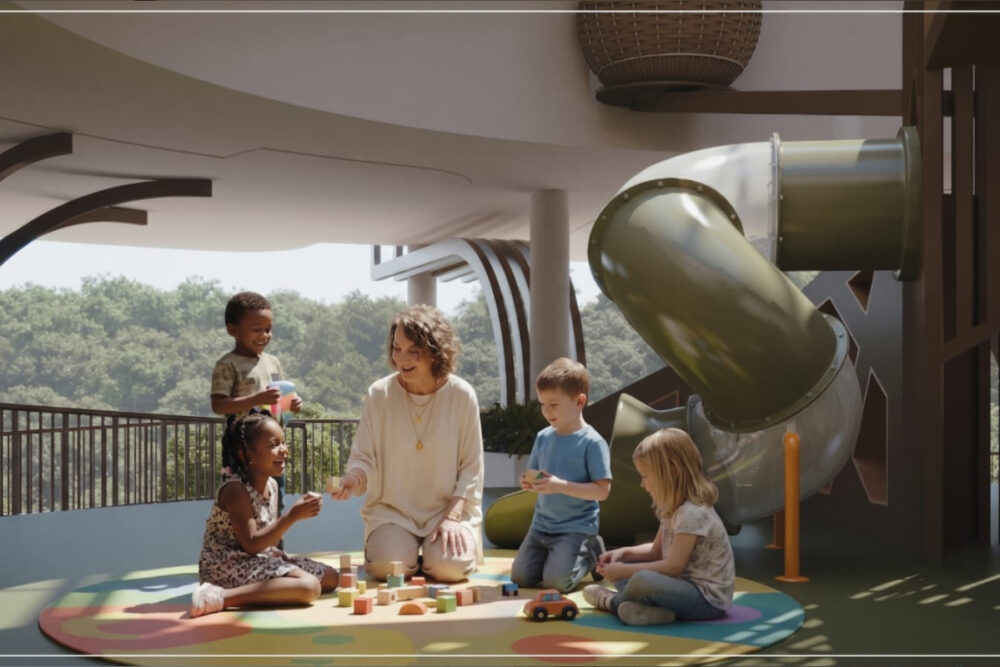
A simple building activity, for example, can introduce children to shapes, balance, size and problem-solving. Role play can encourage language development and help children understand different social situations.
Meanwhile, songs, rhymes and movement can support memory, communication and physical development.
Play also gives children opportunities to practise important social skills. They learn to share resources, take turns, communicate their ideas and work alongside others.
These experiences can help prepare children for the more structured learning they will encounter as they progress through school.
How Play Can Build Early Literacy And Numeracy
Play-based learning does not mean that academic skills are left out.
Instead, teachers can introduce early literacy and numeracy through activities that feel meaningful to young children.
For example, children might count objects while playing, recognise numbers during games or sort materials according to size and shape.
Storytelling and role play can encourage children to use new vocabulary and develop their ability to communicate.
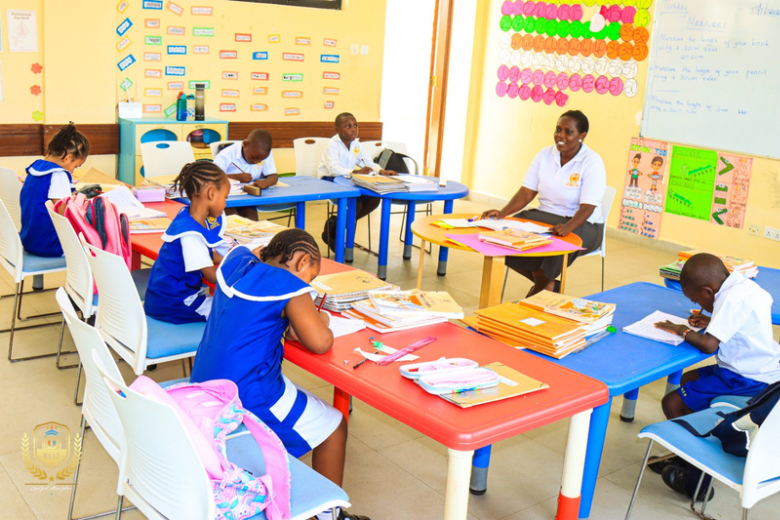
Teachers can also introduce letters, sounds and early writing through songs, stories, drawing and practical activities.
The advantage is that children can encounter these skills in different contexts.
As a result, learning can feel less like a task to complete and more like something they discover through everyday experiences.
Outdoor Play Adds Another Layer To Learning
Outdoor spaces can offer valuable opportunities for early learning.
Children can explore nature, observe changes in their surroundings and develop their physical coordination. They can also learn to work together while navigating games and activities.
Outdoor play can encourage children to ask questions too.
Why is one object heavier? How many leaves can we collect? What happens when water moves through sand? Which objects are smooth or rough?
These simple questions can lead to early scientific thinking and mathematical exploration.
For parents, this is one reason it can be useful to look beyond the classroom when visiting a nursery. Ask how much time children spend outdoors and what they are encouraged to do there.
Kilifi International School Uses Play To Support Early Learning

Kilifi International School provides one example of how a Kenyan school is incorporating play into its Early Years programme for children aged three to five.
The school describes its approach as play-based and child-centred. Its programme combines the Kenyan Competency Based Curriculum with international early years frameworks.
Children are introduced to early literacy, numeracy and language development through age-appropriate learning experiences.
The programme also includes creative arts, music and movement. Outdoor exploration and nature-based learning provide further opportunities for children to investigate their surroundings.
The school places emphasis on social and emotional learning as well.
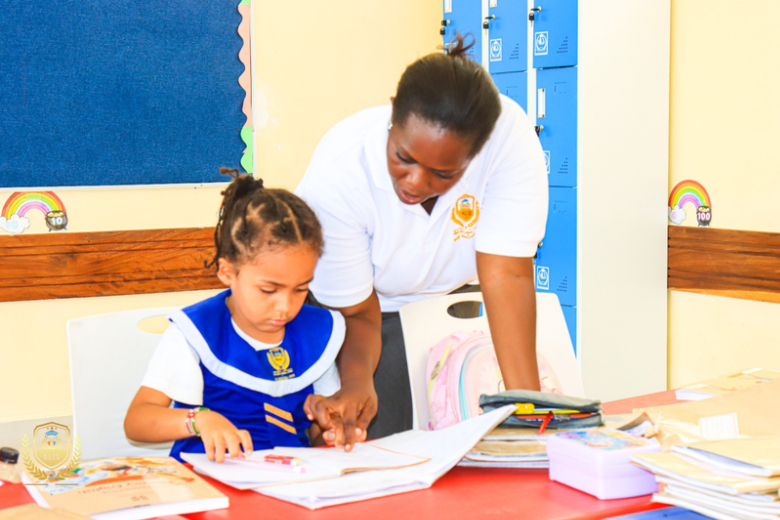
Through hands-on activities and meaningful relationships with teachers and other children, pupils are encouraged to develop confidence and independence.
The approach reflects a wider principle in early childhood education. Young children need opportunities to learn through doing, rather than simply being told what to learn.
What Parents Can Look For In A Nursery
For parents, understanding how play is used can provide useful insight when choosing a nursery or early years setting.
Ask how teachers connect play with learning goals. Find out how children develop early reading, writing and numeracy skills through everyday activities.
It is also worth asking about outdoor learning, creative activities and opportunities for children to play with others.
Parents can observe the children during a school visit too.
Do they have opportunities to make choices? Are teachers involved in their play? Are children encouraged to ask questions and explore?
A strong play-based programme should have purpose behind it. Teachers should understand what children are learning and use activities to support their development.
Ultimately, play gives young children a way to learn that feels natural to them.
It can help build the skills they need for school while allowing them to remain curious, active and engaged during some of the most important years of their development.