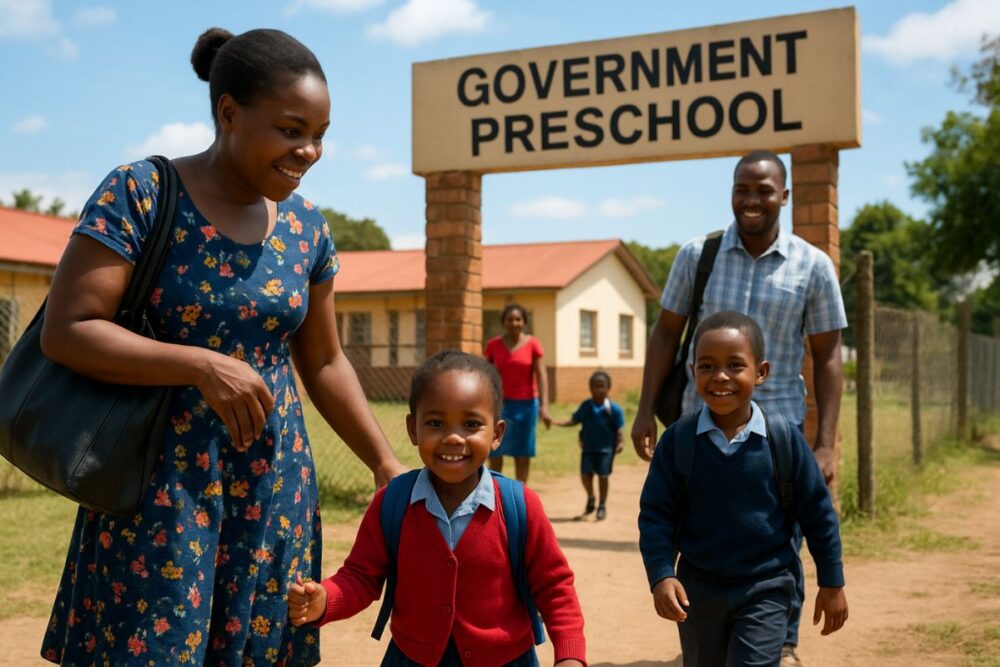
In a landmark move, the Government of Zimbabwe has declared that pre-primary education (commonly called early childhood education) will be fully free and universal across the country from January 2026. The policy shift aims to strengthen foundational literacy and numeracy among children from the earliest years, reduce inequality of access, and provide every child with the best start on their learning journey.
Why This Matters for Parents and Students
Early childhood is a crucial stage in human development, shaping language, social behaviour and readiness to learn. By removing fees for pre-primary education, the government is ensuring that children from all backgrounds, especially those in low-income or rural areas, can start school on an equal footing.
For parents, the policy offers much-needed financial relief and predictability in planning their children’s education. For students, it provides a stronger foundation for literacy and numeracy, improving performance and confidence throughout their primary years and beyond.
The Policy Shift in Context
Zimbabwe has long acknowledged the pivotal role of early childhood development in shaping educational and social outcomes.
Through the National Early Learning Policy the state has committed itself to providing coherent and high-quality infant education consistent with constitutional obligations.
Yet participation has remained uneven. Official data show that net pre-primary enrolment in 2023 was slightly above 42 per cent, with large numbers of children in rural and low-income areas still unable to access organised early learning due to financial and geographic barriers.
The new policy mandating free pre-primary education from January 2026 seeks to close these gaps. By removing fees, the government aims to ensure that every child can benefit from foundational learning opportunities regardless of household income or location.
This decision also builds on earlier commitments to phased free primary schooling. Taken together, these measures signal a clear national intent to promote equity and to improve literacy and numeracy outcomes from the very beginning of a child’s educational journey.
Challenges And Imperatives for Success
No reform of this scale will lack challenges. To make free pre-primary education a reality, several imperatives must be met:
- Teacher training and recruitment
Many early childhood programmes now rely on paraprofessionals or general primary teachers who lack specialised training in early childhood pedagogy. Upgrading teacher preparation and ongoing professional development is essential. - Infrastructure and learning materials
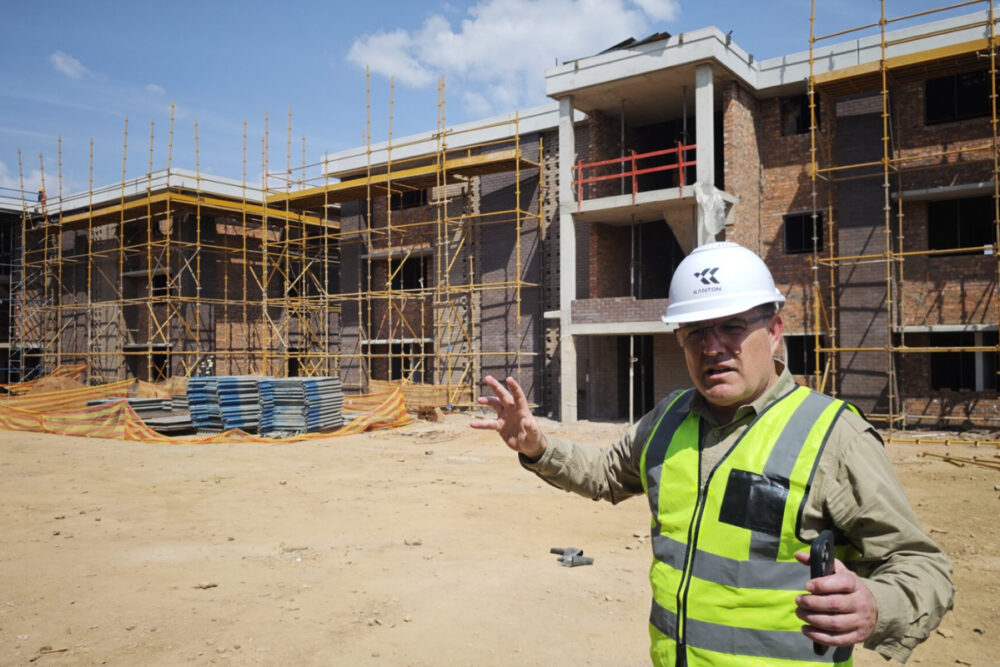
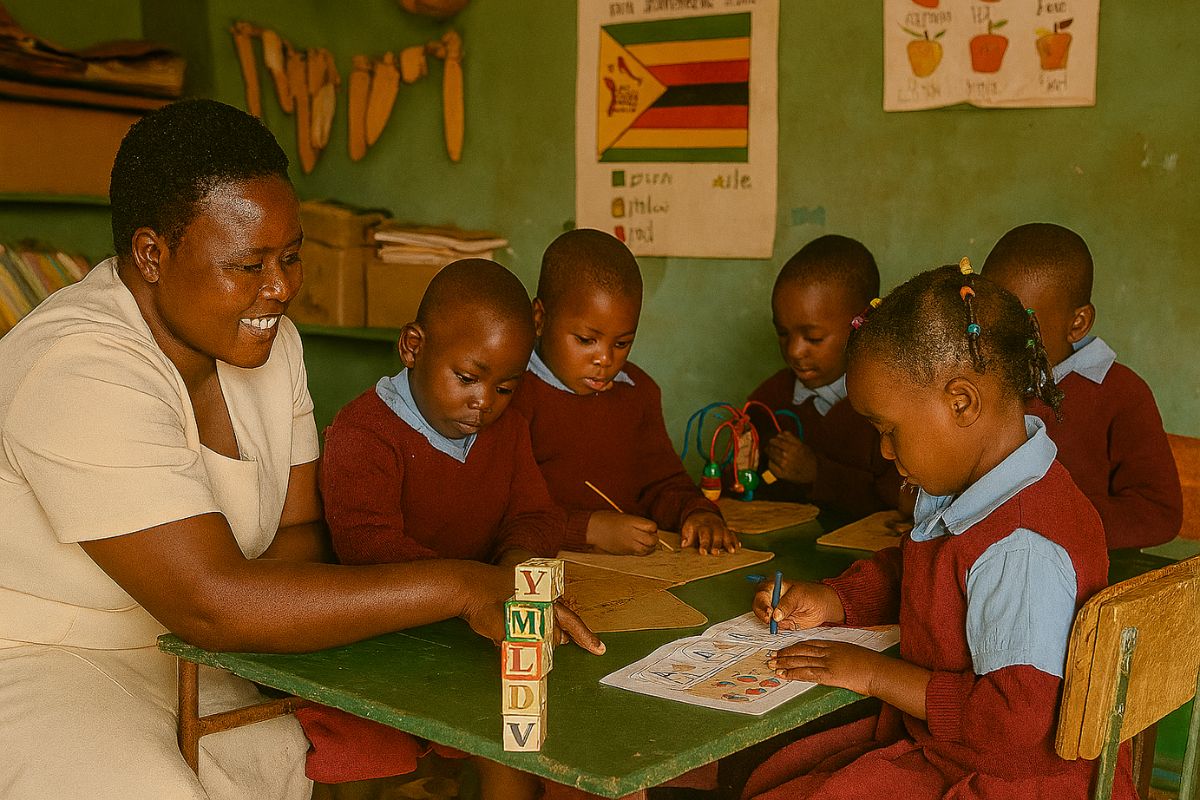
Classrooms must be child-friendly, safe, and appropriately resourced with books, manipulatives, play materials, and age-suitable furniture. In many rural or poorer schools such infrastructure is weak or absent. - Equity across regions
Remote and underserved districts must not be left behind. It is important to register and upgrade satellite schools in these areas so that children everywhere can access the same quality of early education. - Sustainable financing
The government needs steady, long-term funding so the programme does not face budget cuts. This should cover staff, learning materials, school upkeep and supervision. - Community awareness and demand
Some parents may not see the value of preschool straight away. Outreach and information campaigns can build trust and encourage enrolment. - Monitoring, data and accountability
It is important to keep track of enrolments, learning progress, teacher quality and dropout risks. Good data and local oversight will help keep the system fair and effective.
If these challenges are addressed, the gain is substantial: children better prepared for primary school, lower inequality, reduced drop-out rates, and a stronger foundation for national human capital.
What Should Parents and Students Expect?
- No preschool fees: From January 2026 onward, preschool (pre-primary) classes in public or government-supported schools should be free for eligible children.
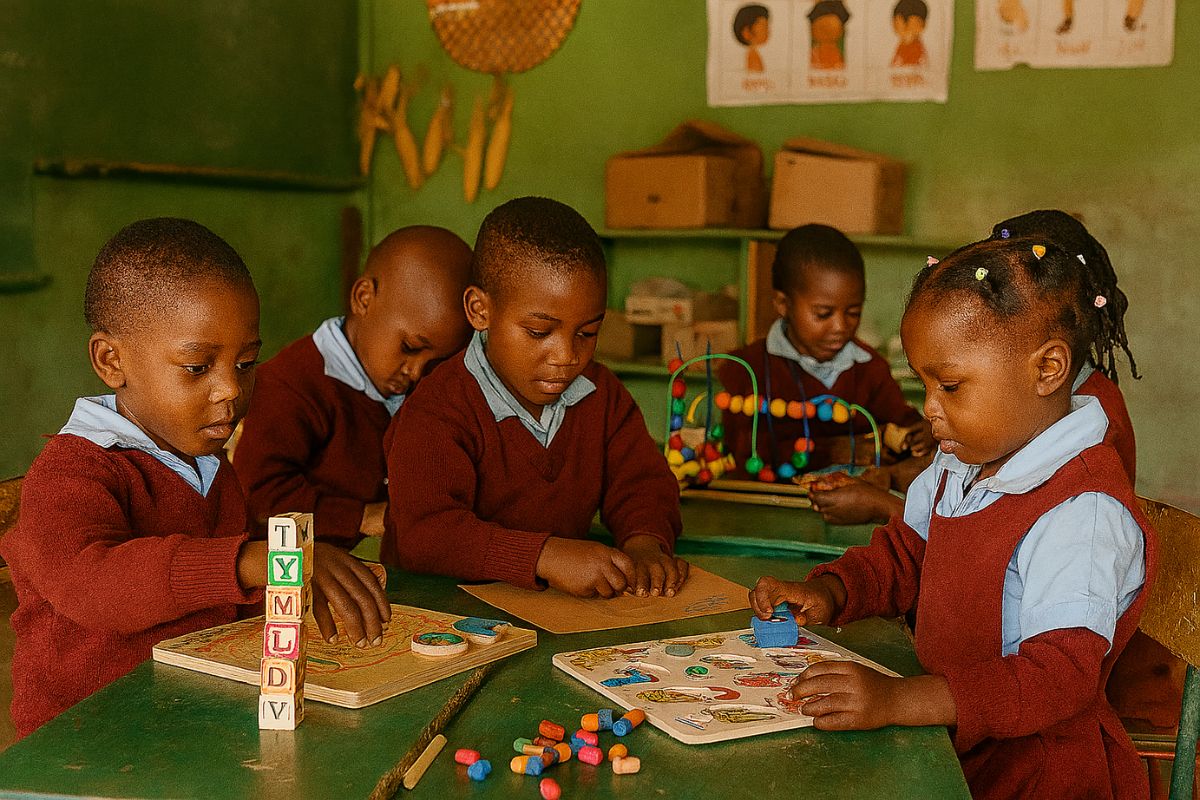
- Better quality instruction: With increased investments, the quality of teaching, learning materials, and school facilities should improve over time.
- Increased access: Children in rural and underserved communities, who previously had no local preschool, stand to benefit most.
- More predictable paths: A child entering preschool in 2026 has a clearer, fee-free progression toward primary, junior secondary, and beyond, reducing financial shocks for families.
A Hopeful Horizon
This policy is a major step forward. It recognises that learning starts well before primary school and that widening access early on is both fair and practical. For Zimbabwe, which already has one of the highest literacy rates in Africa, it is a strategic move to strengthen equality and improve results. Parents can be confident that a major cost barrier is being removed. Children growing up in a fast-changing, knowledge-driven world will gain a stronger start. If delivered effectively, this free pre-primary programme could become a model for education reform across the region.