
South Africa is expanding its eduCate Maths & Science Revision Programme to include Grade 10 and Grade 11 learners, giving students earlier support in two subjects that often shape future study and career opportunities.
Previously focused on Matric learners, the programme will now help students before they reach their final years of school. The move aims to reduce the number of learners who stop studying Mathematics and Physical Sciences before completing school.
For parents, educators and school leaders, the expansion highlights the growing importance of early intervention in STEM education and offers a model that could inspire similar initiatives across other education systems.
Earlier Support For Maths And Science Learners
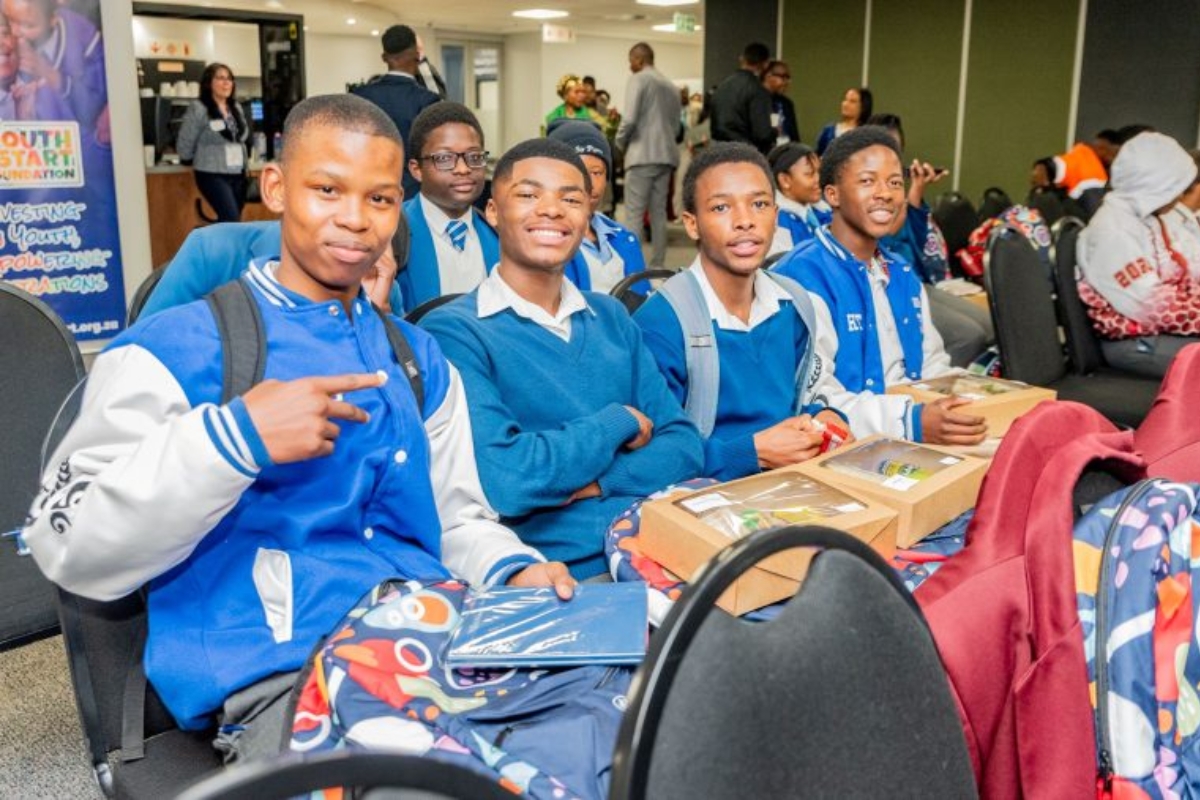
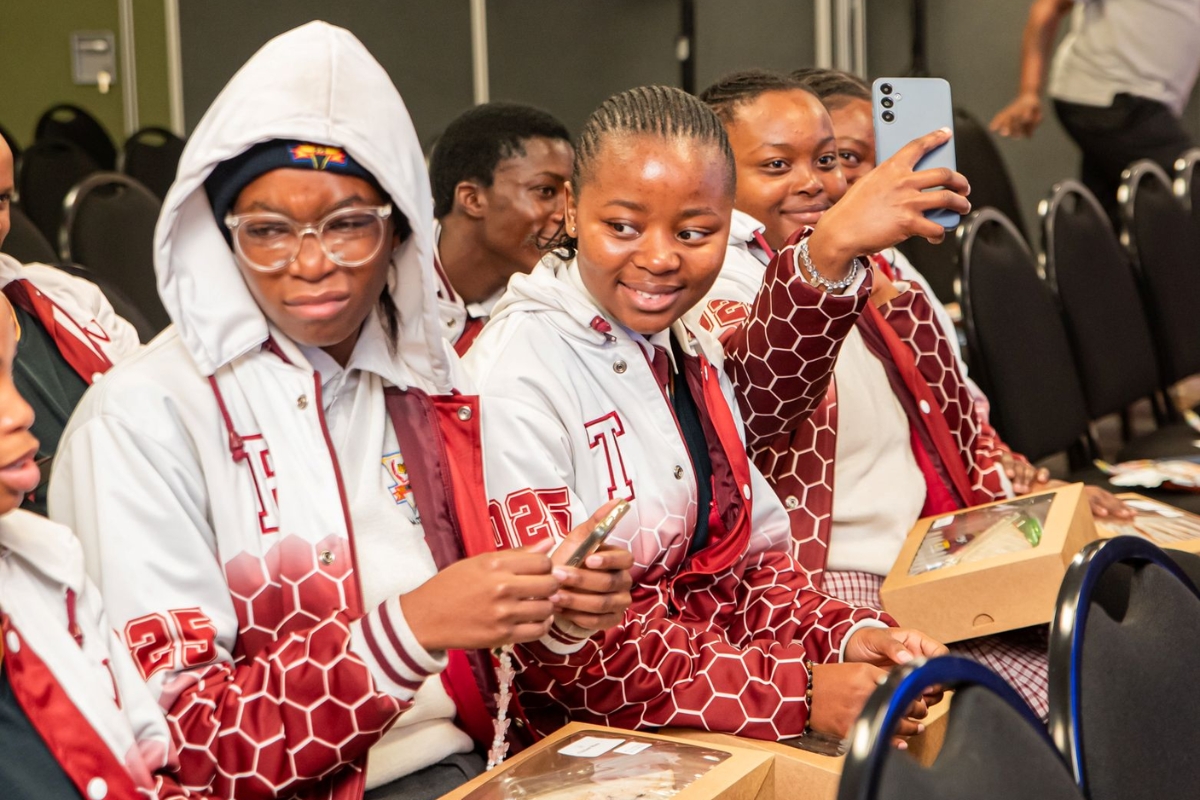
The Primestars eduCate Maths & Science Revision Programme, supported by South Africa’s Department of Higher Education and Training (DHET), was officially launched for 2026 at Cell C’s head office in Johannesburg.
Deputy Higher Education and Training Minister Nomusa Dube-Ncube said expanding the programme to younger learners would help address one of the biggest challenges facing STEM education.
Dube-Ncube said that when a learner dropped Mathematics or Physical Sciences in Grade 10, they did not only close a door for themselves, but also closed a door that the country’s economy needed to remain open. She explained that many learners move away from these subjects before reaching Matric, limiting future opportunities in engineering, medicine, science and technology.
Partnerships Connect Education With The Workplace
Dube-Ncube also highlighted the importance of partnerships between government and industry.
“When companies invite learners and students into their offices, laboratories, workshops and boardrooms, they are not simply being generous; they are helping to build a curriculum that speaks the language of the real economy and giving young people a taste of the working world long before they ever apply for their first job.”
She added that this type of collaboration is essential to preparing learners for employment and strengthening links between education and industry.
Building A Stronger STEM Pipeline
The expansion reflects a wider effort to encourage more learners to continue studying Science, Technology, Engineering and Mathematics (STEM).
Dube-Ncube said supporting learners earlier would help prevent them from giving up on Mathematics and Physical Sciences before reaching their final examinations. She said,
“Instead of only supporting learners in the final stretch towards Matric, it will now begin reaching Grade 10 and Grade 11 learners too, catching learners earlier, before they are ever tempted to give up on Mathematics and Physical Sciences. That means fewer empty chairs in the years still to come.”
According to the deputy minister, STEM subjects are essential for developing the skilled workforce needed to strengthen healthcare, infrastructure, food security and technological innovation.
Preparing Learners For The Future Of Work
The deputy minister said young people must also be equipped for careers shaped by artificial intelligence, robotics, automation and data technologies.
However, she stressed that technological progress should always benefit society. She said,
“Technology should not just be advanced for its own sake; it should be used to solve real human problems – caring for the elderly, protecting the environment, and making everyday life safer and more comfortable for ordinary families. Technology in service of people, not the other way around.”
She also pointed to international examples, including China and Germany, where education systems have strengthened links between classroom learning and workforce needs.
Rather than copying other countries, she said South Africa aims to build its own approach through programmes such as eduCate, supporting learners from secondary school into higher education, training and employment.
Why This Matters Beyond South Africa
Although the programme is based in South Africa, its focus on early STEM intervention reflects a challenge faced by education systems worldwide. Across the Gulf region and internationally, governments are investing in science, technology and innovation while encouraging more students to pursue STEM careers.
For educators, the expansion demonstrates the value of identifying potential barriers early. Meanwhile, for parents and students, it reinforces the importance of maintaining confidence in Mathematics and Physical Sciences, even when the subjects become more demanding.
Dube-Ncube encouraged learners to continue asking questions, persevere through challenges and believe they belong in STEM fields, adding that government and its partners remain committed to supporting them throughout their educational journey.