Findings highlighted in a November programme update point to encouraging changes in students’ STEM aspirations, while a Mozambican school with documented church ownership demonstrates how practical innovation can extend beyond the classroom.
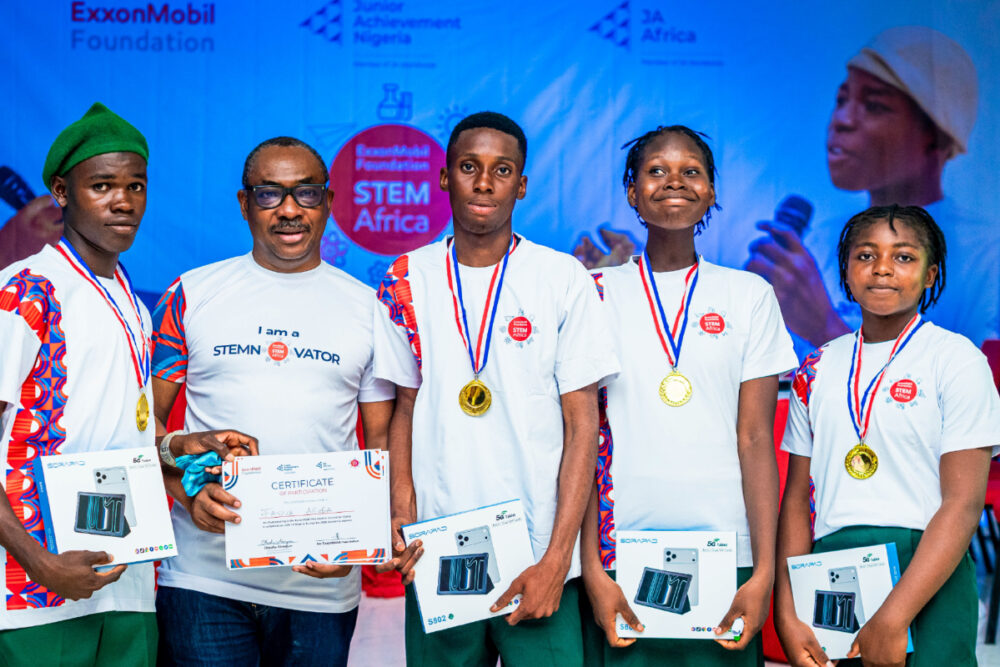
JA Africa has reported a 64.5 per cent increase in female participants’ interest in science, technology, engineering and mathematics (STEM) careers, alongside the regional success of students from a church-owned community school in Mozambique.
The findings, highlighted in an 18 November 2026 press release, come from a 2025 evaluation of the ExxonMobil Foundation STEM Africa programme across Angola, Mozambique, Namibia and Nigeria.
The release also revisits the achievement of Mentes Brilhantes, a team from Escola Comunitária Nossa Senhora do Livramento T.3 in Matola, which won the regional finals in October 2026.
What the Evaluation Reveals About STEM Learning
According to JA Africa, the evaluation recorded a 51.2 per cent increase in girls’ interest in STEM studies, compared with 32.8 per cent among boys.
Across participants from the four countries, the organisation reported:
- 64.5 per cent increase in female participants’ interest in STEM careers
- 54.4 per cent increase in overall interest in STEM careers
- 42 per cent increase in overall interest in STEM studies
- 96.7 per cent of surveyed students saying they would recommend the programme to their peers
JA Africa also reported a 35 per cent relative improvement in academic performance, based on changes in the proportion of students performing above their class or school averages.
The full evaluation methodology and sample size were not provided in the release. The findings therefore represent the organisers’ reported outcomes rather than independently established causal effects.
How a Church-Run School Put Innovation Into Practice
Mentes Brilhantes developed Ecocarteiras, a project designed to transform recycled plastic and sawdust into durable, affordable school furniture.
The team’s school has a distinctive place within Mozambique’s non-state education landscape.
A 2013 master’s dissertation from Eduardo Mondlane University identified Escola Comunitária Nossa Senhora do Livramento as Catholic Church-owned, describing an arrangement under which the government supplied some teaching staff and referred public-school pupils to the institution.
That historical arrangement illustrates a community-based model combining non-state ownership with public support. The school’s precise registration status in 2026 has not been independently confirmed.
For Nicole Mangue, a member of the winning team, the competition brought science closer to everyday experience.
“STEM is not distant; STEM is close to us, and we can reach it.”
— Nicole Mangue, Mentes Brilhantes team member
The November release also detailed the 2026 programme’s reach, reporting more than 8,000 digital-learning participants, 2,787 participants in zonal quizzes and 517 young people attending Innovation Camps.
For independent and community-school educators, the achievement offers an example of students applying classroom learning to local challenges. The wider evaluation provides encouraging, though not conclusive, evidence worth examining when considering the role of mentorship and experiential STEM education.
Discover more about JA Africa’s programmes and opportunities for young people across the continent.