
Choosing an international school is one of the biggest decisions families make when relocating or changing their child’s educational pathway. Whether moving to a new country or considering a different curriculum closer to home, starting the search early can make the process less stressful and give families the confidence to make informed decisions.
The team at the American International School of Cape Town (AISCT) says one of the most common questions prospective parents ask is, “When should we start looking for an international school?”
While every family’s circumstances are different, beginning the search six to 12 months before your intended start date provides valuable time to compare schools, understand admissions requirements and prepare children for the transition.
Why Starting Your International School Search Early Matters
Researching an international school well in advance gives families greater flexibility and more opportunities to find the right fit.
Early planning allows parents to,
- Compare different curricula and academic programmes.
- Visit school campuses.
- Arrange trial days or student visits.
- Meet teachers and admissions teams.
- Understand enrolment timelines and application requirements.
- Prepare important documentation.
- Support children emotionally before they move schools.
For families relocating internationally, school choices often influence housing, employment, visa applications and wider family plans. Therefore, securing a school place early can help make the entire relocation process smoother.
Visit Schools Before Making a Decision
School websites and brochures provide useful information, but they rarely capture the atmosphere of a school community.
AISCT encourages prospective families to visit the campus and experience its culture first-hand. The school’s community is guided by the spirit of Ubuntu, which means “I am because we are.”
Parents should use school visits to look beyond academic results and ask practical questions such as,
- Are students engaged and comfortable in lessons?
- Do teachers know their students well?
- Does the school environment feel welcoming?
- Can your child imagine themselves learning and making friends there?
These observations often tell families as much as prospectuses or rankings.
Understanding International School Admissions
Admissions requirements vary between international schools, and availability may differ by year group.
Starting applications early gives parents time to prepare documents and avoid unnecessary pressure if places become limited.
Schools may request,
- Previous school reports or transcripts.
- Teacher references.
- Passport or visa documents.
- English language assessments.
- Mathematics assessments.
- Student interviews or evaluations.
At AISCT, admissions are designed to support families throughout every stage of the process, recognising that school applications often happen alongside significant life changes.
 Helping families choose with confidence
 Encouraging active participation every day
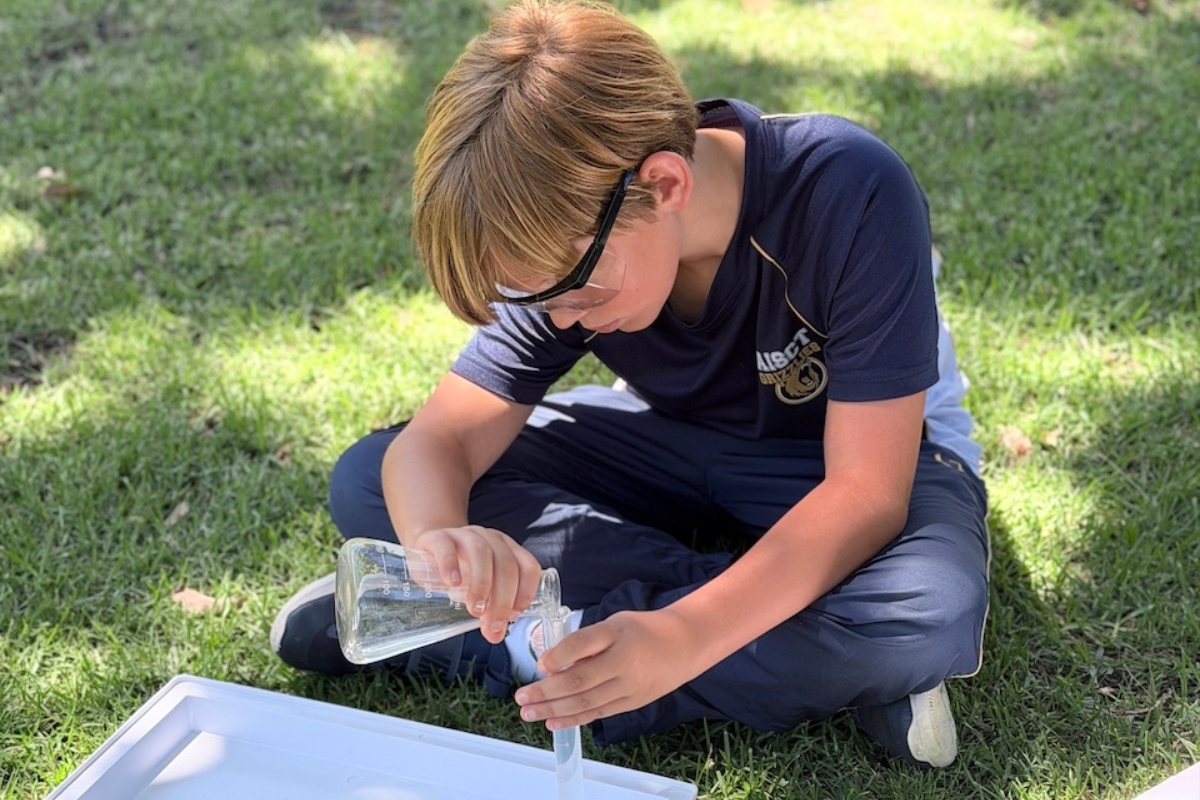 Outdoor spaces that inspire learning
 A campus designed for curiosity and growth
 A welcoming environment for every learner
 A pool designed for learning and recreation
 Where students explore ideas and expand their horizons
 Developing teamwork through sport
 Every game teaches valuable life skills
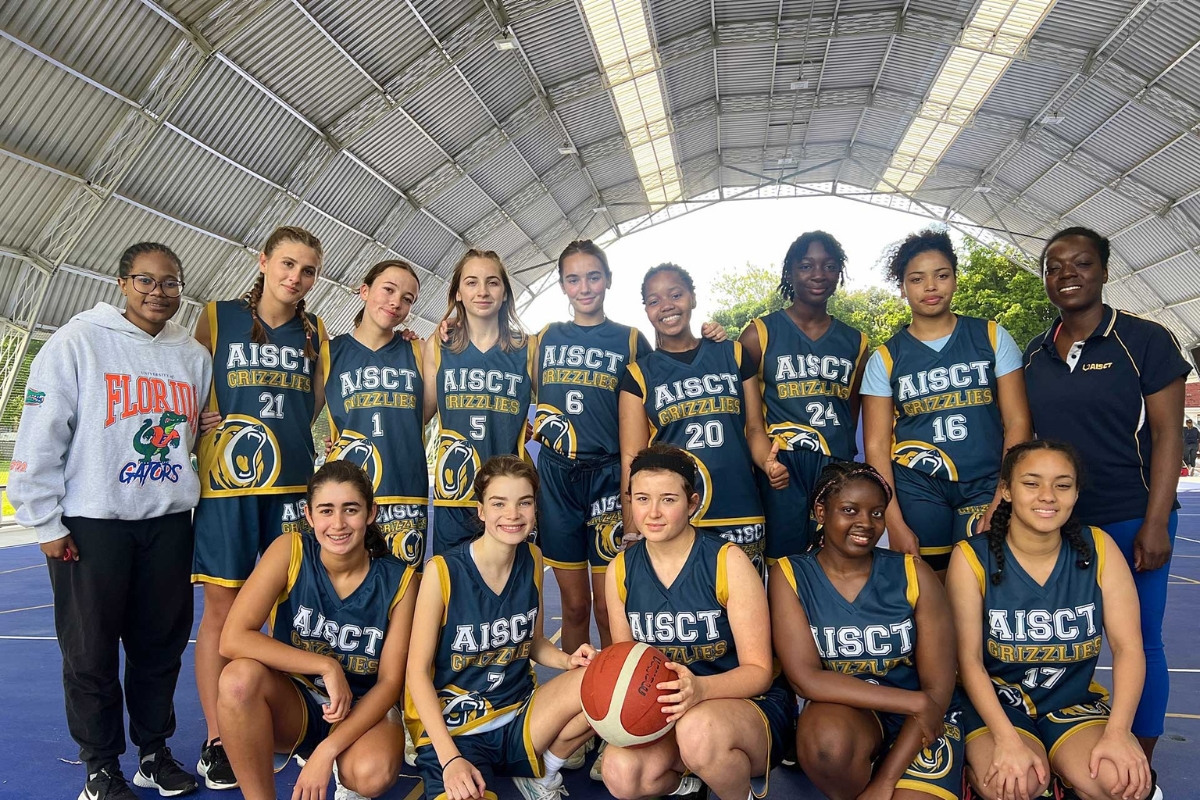 Every student has the opportunity to thrive
 Sport plays an important role in student development
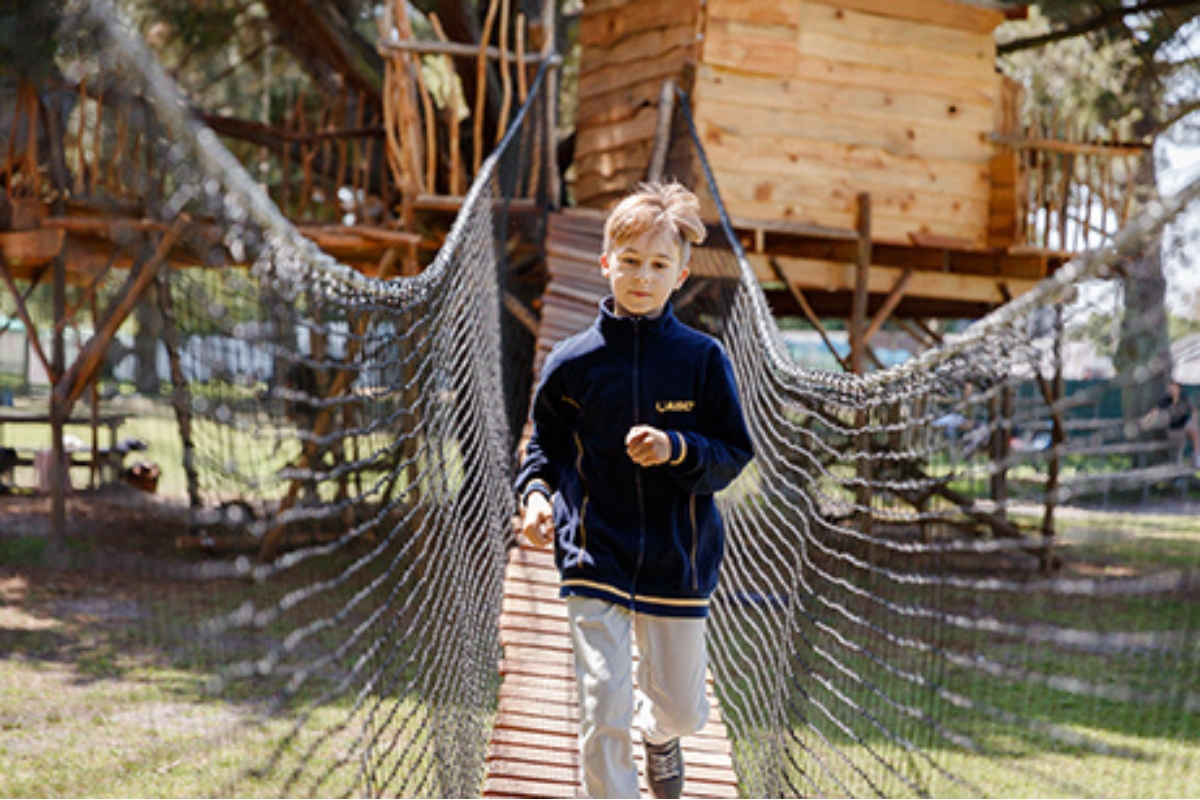 Supporting wellbeing through physical activity
 A classroom where every voice matters
Compare Different International School Curricula
One of the first decisions families face is selecting the curriculum that best suits their child.
International schools in South Africa commonly offer,
- American curriculum.
- International Baccalaureate (IB).
- British curriculum.
- Hybrid international programmes.
Each curriculum provides different learning experiences, assessment methods and university pathways.
AISCT follows an American international curriculum that encourages academic achievement alongside creativity, collaboration, critical thinking and global awareness.
Parents should consider not only academic outcomes but also whether a school’s teaching approach matches their child’s interests, personality and future aspirations.
Help Children Prepare for the Move
Changing schools can be exciting, but it can also feel overwhelming for children.
Starting the search early gives young people time to understand what lies ahead, visit the campus and become familiar with their new surroundings.
Children joining an international school may be,
- Moving to a new country.
- Adjusting to a different curriculum.
- Leaving friends behind.
- Building new social connections.
Fortunately, international schools often bring together students from many countries who understand what it feels like to be new. As a result, many children settle more quickly into diverse and welcoming communities.
What Families Should Look for in an International School
Academic standards are important, but they are only one part of choosing the right school.
Parents should also consider,
- Academic programmes and curriculum.
- School culture and values.
- Student wellbeing and support services.
- Extracurricular activities.
- University preparation.
- Diversity and international outlook.
- Campus facilities.
Equally important is whether children feel recognised, encouraged and supported throughout their learning journey.
At AISCT, strong relationships between students, teachers and families are viewed as an essential part of learning, helping young people develop confidence both inside and outside the classroom.
Choosing the Right International School with Confidence
Selecting an international school is not a decision that needs to be rushed. Beginning the search early allows families to explore different options carefully, prepare children for change and make informed choices that suit both academic and personal needs.
Whether relocating to Cape Town or simply exploring international education opportunities, taking time to research schools, visit campuses and ask thoughtful questions can help families find a community where their child will thrive.