UPF University has celebrated its 20th anniversary in Fez by launching a bold development strategy centered on emerging technology and student employability.
This new UPF University AI vision establishes a forward-thinking blueprint for academic growth, international cooperation, and scientific research. For educators, school leaders, and students, the milestone demonstrates how modern institutions must adapt to prepare graduates for a shifting global economy.
The anniversary event highlighted the journey of the institution from its early foundations to a multi-campus university. Consequently, the gathering provided a valuable platform to debate the future of teaching, learning, and value creation.
From Small Foundations to International Expansion
University President Lahlou presented the historical timeline of the institution, noting its growth across six major development phases. Starting with its genesis before moving to state recognition, the university now commands campuses in Fez and Rabat. Today, the network includes 30 academic entities, more than 4,000 graduates, and over 1,280 socio-economic partners.
The expansion timeline features major milestones, including the first student intake in 2006 and the first recruitment forum in 2010. Additionally, the creation of an incubator, a batteries excellence centre, and doctoral studies paved the way for internationalisation. The recent partnership with Cintana Education further expands the global reach of the institution.
Changing the Rules of Classroom Interaction
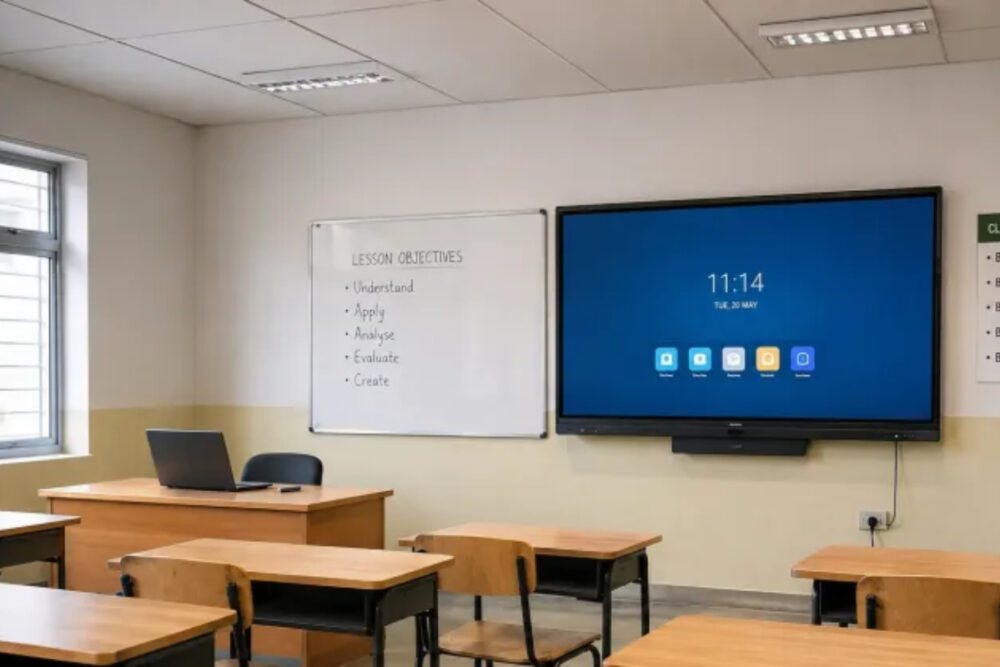
The integration of advanced software into the lecture hall stands as a primary pillar of the new strategy. Ryad Mezzour, Morocco’s Minister of Industry and Trade, noted that research and development costs have fallen sharply. He suggested that development tools and patents have become highly accessible to modern institutions. The minister warned that universities must move ahead of this transformation rather than follow it.
Furthermore, educational leaders believe that technology requires a complete rethink of traditional instruction. Abdelmajid Fassi Fihri, Vice President of the House of Representatives, explained that teachers will not disappear, but their daily duties must evolve. He emphasised that digital tools cannot replace the unique bond between an educator and a student. Therefore, institutions must move beyond basic knowledge transfer to cultivate critical thinking skills, ensuring students can spot false information.
Bridging the Gap Between Classrooms and Careers
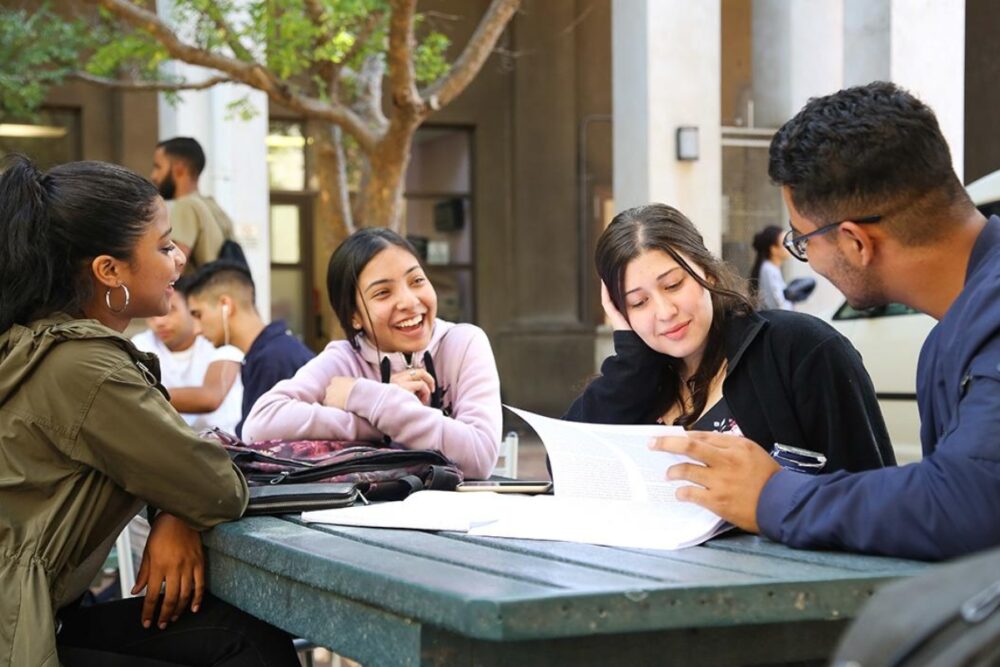
Student employability remains a core focus of the institutional strategy. Professor Mohammed Regragui highlighted that 95% of graduates transition into the professional world smoothly. He attributed this success to specialized research centres that align directly with global economic challenges.
Meanwhile, industry experts stressed the need for a stronger link between academic research and commercial value creation. Mohammed Saad, Deputy General Director of the Casablanca Stock Exchange, recalled how Cisco emerged directly from Stanford University research. He argued that the old educational model, inherited from the industrial revolution, relied too heavily on information scarcity and memorization. Because technology now serves as a massive repository of data, teachers must shift towards dialogue, debate, and the challenging of ideas.
Embracing Technological Tools Responsibly
University leaders view these digital shifts as a natural progression rather than an institutional threat. Saad Charif D’Ouazzane, former president of Hassan II University, compared the current transition to the initial resistance faced by calculators and search engines. He stated that educators must accept these changes, while institutions must establish firm ethical guidelines and evaluation systems.
To support this transition, the university announced the creation of the Centre of Excellence in Artificial Intelligence. This project forms a major part of the strategic development plan extending through to 2030.
Looking Ahead to a New Academic Decade
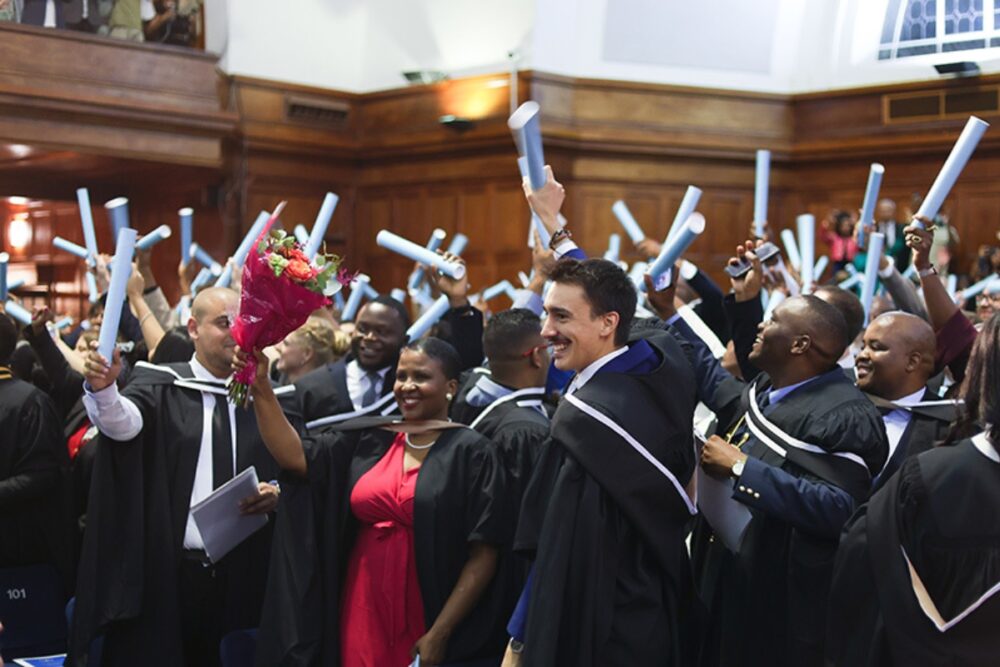
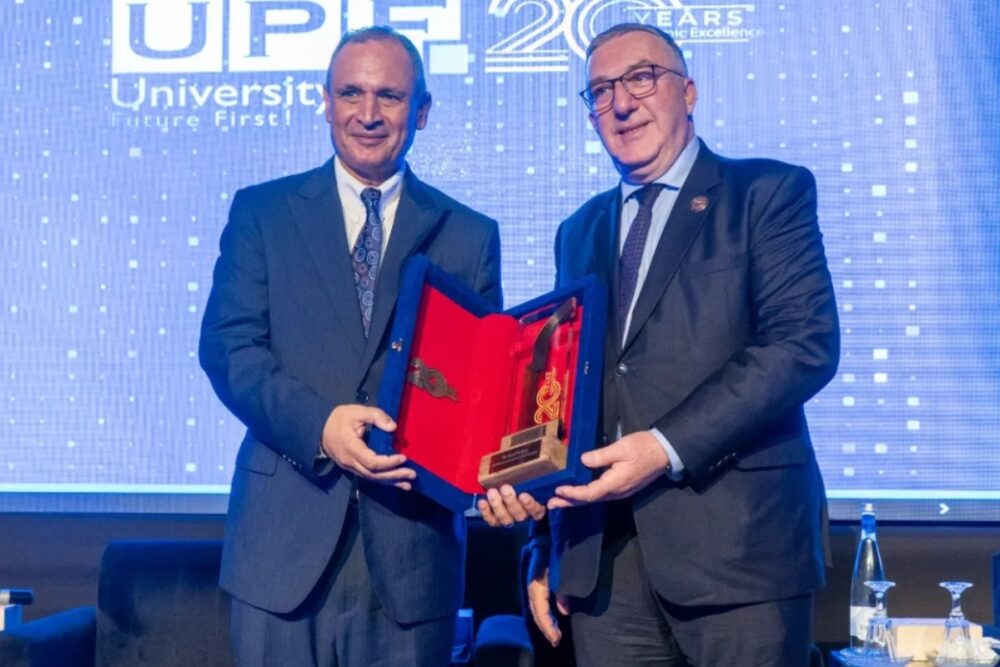
The anniversary concluded with an awards segment recognizing key figures who contributed to the institutional journey. The university honoured Saâd Daoudi, Rector of the Private University of Fez, alongside prominent researchers. Notably, computer science researcher Hassan Qjidaa received recognition for his contributions to the local research ecosystem.
Ultimately, school leaders view the milestone as a platform for future innovation rather than a simple celebration of the past. Mohamed Lazraq, Executive Vice President of the Private University of Fez, summarised the institutional mindset during an interview.
“This celebration is not limited to looking back at the past and its achievements. It is also a key moment to look ahead to the future and its requirements.”
This sentiment was mirrored by Mustapha Akalay Nasser, Director of the School of Architecture and Urban Planning, who expressed immense pride in the staff.
As the institution embarks on its next decade, this comprehensive strategy offers an inspiring model for educational stakeholders worldwide. By balancing technological integration with human mentorship, the university ensures its graduates remain competitive, ethical, and highly skilled.