
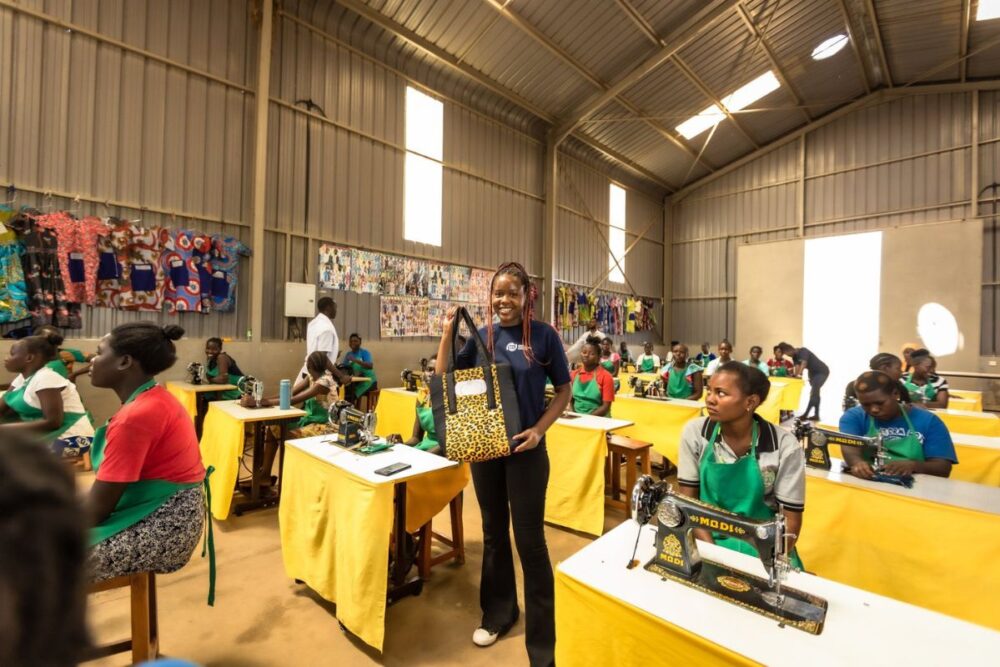
Across Uganda, thousands of young people dream of building a secure future for themselves and their families. Yet many leave school without the skills that employers are looking for, while others in rural districts have little access to quality training at all. Recognising these challenges, the government has taken an important step to give young people a real chance. Inspired by global research including a recent ILO blog highlighting Africa’s urgent need for vocational training and on the job learning Uganda has launched 50 new vocational centres in rural areas. These centres are designed to equip young women and men with practical skills, confidence and connections so they can succeed at work and in life.
At A Glance
- About 50 new vocational centres launched in rural Uganda.
- Around 50% of young adults classified as NEET not in employment, education or training.
- Only 6.5% of African youth complete formal technical or vocational education programmes

Rising Youth Unemployment and Skills Gaps
Youth unemployment in Africa remains a pressing concern. While statistics vary across countries, the International Labour Organization (ILO) estimates that nearly 60% of young Africans are either unemployed or underemployed. Many school leavers possess theoretical knowledge but lack hands-on experience or industry-relevant skills. This disconnect between formal education and labour market demands creates a bottleneck where talent exists but remains untapped.
Rural youth are often disproportionately affected. Training centres are frequently located in urban hubs, tools and learning materials can be scarce, and local industries may be limited. Consequently, talented young men and women remain underemployed or forced into informal, low-paying jobs that do not allow them to fully realise their potential.
The Role of Vocational Training
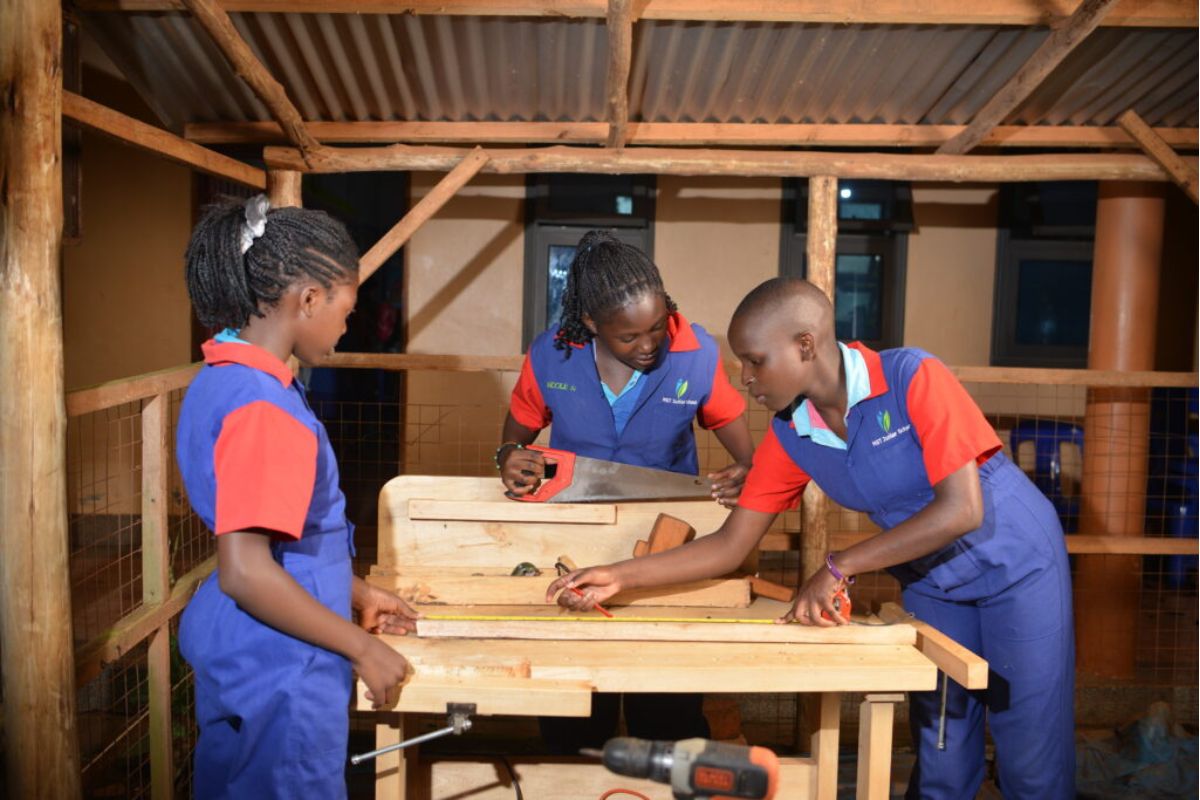
Vocational education and training offers a practical solution to these challenges. By focusing on skills that are directly applicable in the workplace, vocational programmes prepare youth for jobs in sectors such as agriculture, carpentry, tailoring, hospitality, mechanics, and information technology. These skills are not only in demand locally but can also enable young Africans to pursue entrepreneurial opportunities, creating self-employment and community development.
Vocational training bridges the gap between education and employment. Learners gain both technical competencies and confidence through hands on workshops, career guidance, and structured apprenticeships. This approach ensures that young people graduate with credentials that are recognised by employers and aligned with industry needs.
How Parents and Students Benefit
For students these centres offer alternatives to purely academic routes. Many young people prefer practical experience and want to learn skills that earn. These centres will allow them to stay close to home so they avoid long travel and cost burdens. Parents, too, find relief in more affordable, accessible, quality training that leads to employment or income generation.
Scholarships, material support and startup capital may be made available for certain students. With strong local ownership and community involvement, these centres are intended to support learners from disadvantaged backgrounds.
Global Insights and Strategic Local Implementation
Industry research emphasises that technical and vocational education achieves the greatest impact when combined with practical, on the job experience. Across Africa, low participation in work based learning programmes has limited the ability of youth to acquire skills that meet employer expectations.
Uganda is addressing this challenge strategically. Through initiatives such as the Presidential Industrial Hubs, the government is embedding internships, apprenticeships and hands on projects into national skills programmes. This approach ensures that young professionals not only gain technical knowledge but also develop practical competencies that enhance employability.
Quality assurance underpins this strategy. The Uganda Vocational and Technical Assessment Board collaborates with the Industrial Hubs to guarantee curriculum relevance, instructor expertise, and industry recognised certification. By aligning training outcomes with labour market needs, Uganda is equipping its youth to enter the workforce with confidence, ready to contribute to business growth or launch entrepreneurial ventures.
The Way Ahead
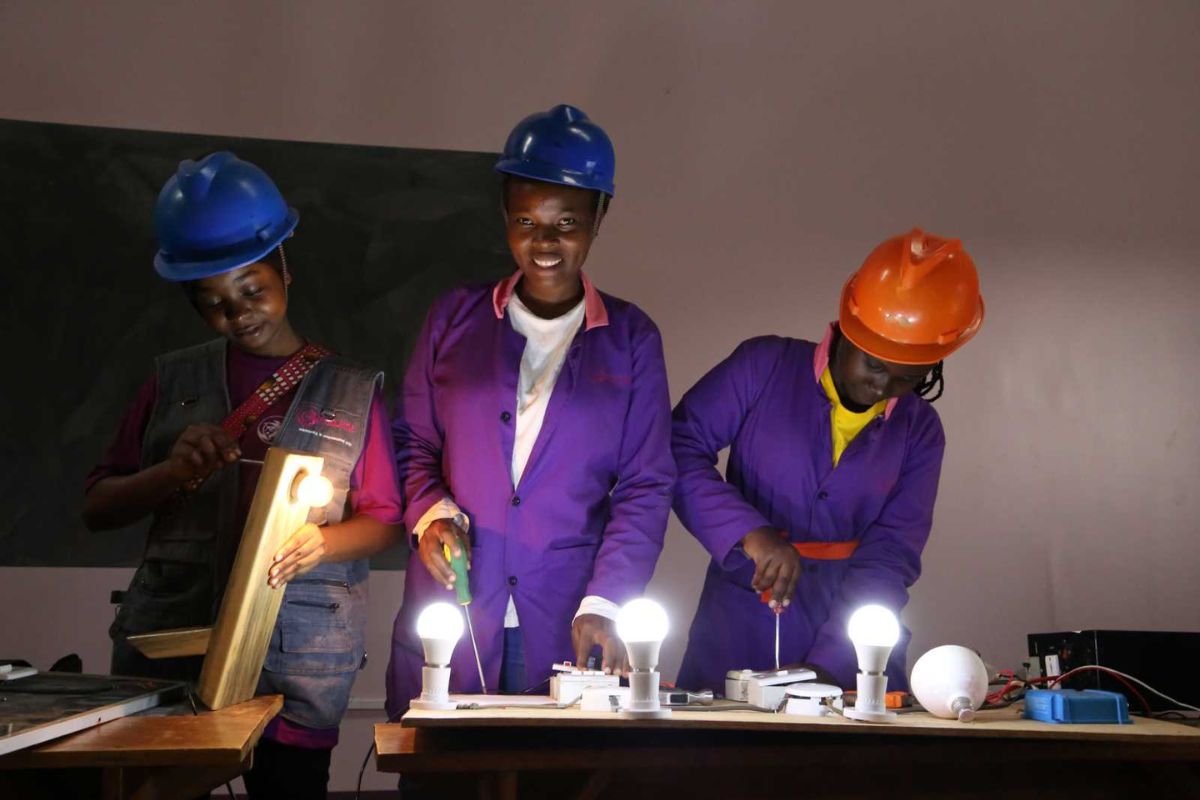
Uganda’s announcement of 50 new vocational centres in rural districts represents a promising step forward. But success will depend on more than just building facilities. It requires ongoing support: enough qualified trainers, modern equipment, strong partnerships with industry, and systems for monitoring and evaluating outcomes.
Work based learning must be expanded so that students gain real skills in real settings. Gender equity must be ensured so that girls and young women have equal access. Financial support and flexible programmes for young people with different starting points are essential.
Parents and students should view the new centres not just as places of learning but as pathways to opportunity. These centres can transform lives, local communities and the economy.