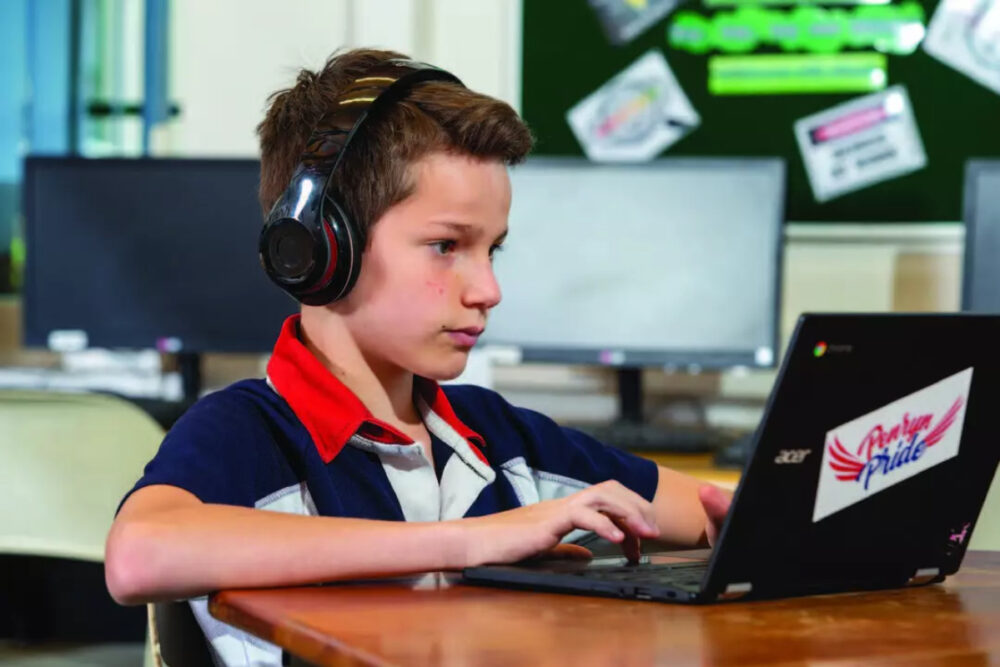
Online learning for children is no longer simply about watching lessons on a screen.
Penryn Prep Online School is taking a different approach, using project-based learning, technology and global connections to give primary students more opportunities to investigate questions and develop their own interests.
The online school, developed by Penryn College in Mpumalanga, South Africa, was conceptualised in 2019 by a team of academics. It is now fully operational.
For parents considering online education, its approach raises an important question. What should a primary education look like when children are preparing for a future that is difficult to predict?
Rather than focusing only on traditional academic knowledge, Penryn Prep Online places greater emphasis on curiosity, problem-solving, collaboration, creativity and independence.
How Penryn Prep Online Approaches Learning
The programme uses project and inquiry-based learning modules designed to encourage students to investigate questions rather than simply receive information.
Students explore global issues including climate change, deforestation, farming, marine plastic pollution, sustainability and the shrinking natural world.
They can also ask broader questions about how humans interact with the planet.
Technology allows students to research current developments, access real-time data and communicate with specialists around the world.
As a result, learning can extend beyond the traditional classroom.
Students can take on different roles during their projects. They may work as scientists, journalists, geologists, historians or innovators while investigating a particular topic.
For parents, this means the online model is designed to give children an active role in their learning rather than simply asking them to complete digital worksheets.
Building Skills Beyond The Classroom
The school places strong emphasis on skills that students can use across different subjects and situations.
Its learning modules encourage students to think deeply, collaborate, ask questions, solve problems, adapt to challenges and develop perseverance.
Students are also encouraged to design their own learning journeys around their interests and strengths.
Teachers and global experts guide students as they explore their interests and work towards articulating their ideas and ambitions.
This approach can give children greater ownership of their education.
However, independence does not mean students are left to learn alone. The model combines guidance from teachers with opportunities for students to investigate subjects independently.
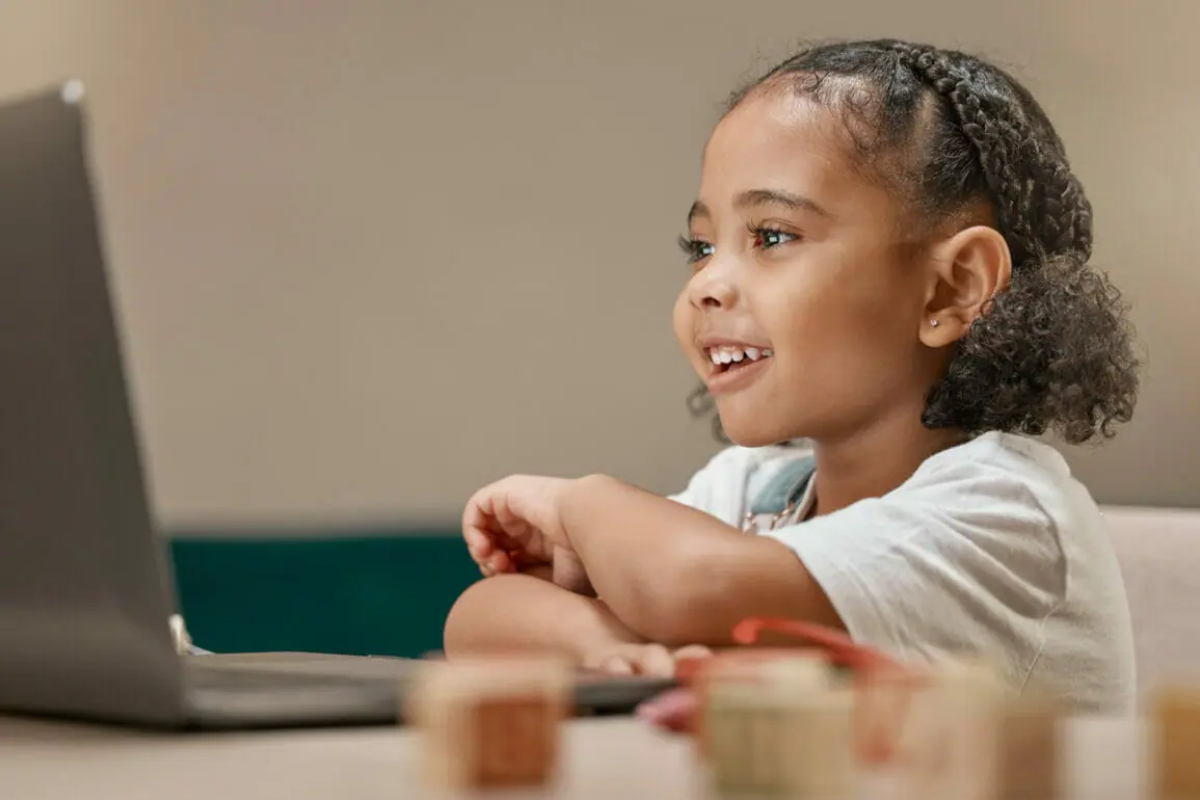
How Technology Changes The Learning Experience
Technology plays a central role in the Penryn Prep Online model.
Students can use interactive and collaborative tools to explore topics, communicate with others and investigate issues beyond their immediate surroundings.
They can also use coding, robotics and gamification as part of their learning.
These activities can introduce students to practical digital skills while giving them opportunities to create rather than simply consume technology.
For example, students can develop their own apps, websites and blogs.
The emphasis is therefore on using technology as a tool for research, creativity, communication and problem-solving.
For parents, this distinction is important. Screen-based learning can take many forms, and the educational value depends on what children are doing with technology and how the experience is structured.
Giving Children Space To Follow Their Interests
One of the central ideas behind Penryn Prep Online is giving students opportunities to follow their individual passions.
The school says students can build their own learning journeys around their strengths and interests, with support from experienced teachers and global experts.
Students can also research issues that matter to them and create awareness campaigns.
The internet provides opportunities to connect with other young people who share similar interests. Through these connections, students can explore possible responses to wider challenges.
This approach can help children understand that learning does not always end when a lesson finishes.
A question raised during a project can lead to research, discussion, collaboration and a new project.
Wellbeing And Digital Safety Remain Part Of Learning
While technology is central to the online school, Penryn also places emphasis on the responsibilities that come with digital learning.
The school’s ethos includes digital safety, ethics, empathy and cultural intelligence.
Emotional wellbeing is also built into the curriculum as part of its approach to students’ wider development.
This is particularly relevant for parents considering online education.
Academic progress is only one part of a child’s school experience. Children also need opportunities to develop relationships, communicate effectively, understand different perspectives and manage the challenges that come with growing up in a digital world.
Penryn’s approach aims to combine these areas with academic learning.
What Parents Should Consider When Choosing Online Schooling
For families considering online education, the Penryn Prep Online model highlights several questions worth asking.
How much interaction will children have with teachers?
Will they work collaboratively with other students?
Can they explore subjects that interest them?
How much of the learning involves practical projects?
What support is available for wellbeing?
How does the school approach online safety?
Parents should also consider their child’s learning style and level of independence.
Some children may enjoy having greater control over their learning and working through projects. Others may need more structure, frequent interaction and support.
Ultimately, the right online education needs to balance flexibility with strong teaching, clear expectations and meaningful interaction.
Penryn Prep Online’s model shows one way an online primary school can combine academic learning with technology, inquiry and student interests.
For children growing up alongside rapid technological and environmental change, the school’s approach places the emphasis not only on what students know, but also on how they use what they learn.