
Finding the right African boarding schools can be challenging for families navigating different education systems, locations, curricula and fee structures. Parents may be searching for an affordable boarding school, a particular curriculum or a school in a specific country or city. Therefore, knowing where to begin can make the process much easier.
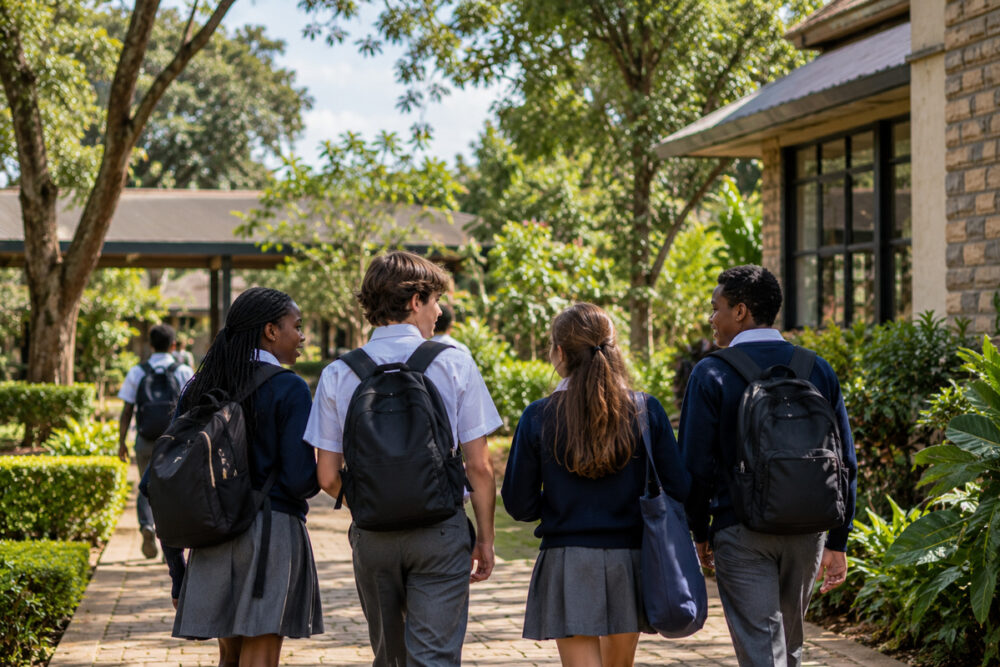
Across Africa, boarding schools offer a wide range of educational experiences. Some provide British or American curricula, while others follow national education systems. There are also schools with Christian, Anglican, bilingual and international programmes.
For families considering boarding education, the choice involves much more than finding an available place. Parents need to consider academic provision, pastoral care, boarding arrangements, costs, location and the needs of their child.
Why Families Search For African Boarding Schools
Hardly a day goes by without an inquiry on our Boarding School Review Facebook page asking about schools in a particular city or region of Africa.
Some enquiries are broad. Parents may simply say, “I’m looking for a school to attend.”
Others are focused on affordability. For example, one parent asked, “I need a boarding school…cheap and affordable boarding school.”
Location can also be an important consideration. Families may want to remain close to relatives or choose a school within a particular country.
One enquiry asked, “Any boarding schools around Mafikeng?” Mafikeng is the capital of the North-West Province of South Africa.
Another parent was looking for a particular year group, asking, “I’m looking for a place in Form 3 in any boarding school in Zimbabwe.”
These questions highlight the range of factors families consider when exploring boarding education. They also show why reliable school directories and first-hand information can be valuable starting points.
Where To Find African Boarding Schools
Families can begin their research through established school associations and specialist directories. These resources can help parents identify schools according to location, type and educational offering.
The Independent Schools Association of Southern Africa (ISASA) describes itself as “the largest association of independent schools in South Africa and the Southern African region.”
Its website includes a school finder, which can help families explore independent schools in South Africa and the wider Southern African region.
The Association of International Schools in Africa (AISA) is another useful resource for families considering international education.
AISA describes itself as “a collaborative learning community of accredited, internationally minded schools in Africa, which provides targeted services and relevant resources, facilitates innovative programmes, and connects people.”
Its directory includes member schools across countries including Angola, Botswana, Burkina Faso, Cameroon, Côte d’Ivoire, Eritrea, Ethiopia, Gabon, Guinea, Kenya, Lesotho, Liberia, Madagascar, Malawi, Mali, Mauritania, Mauritius, Mozambique, Morocco, Namibia, Niger, Nigeria, Republic of the Congo, Rwanda, Senegal, Sierra Leone, Sudan, Eswatini, Tanzania, Uganda, Zambia and Zimbabwe.
For families specifically researching South Africa, Boarding Schools SA lists boarding schools by province. This can make it easier to narrow down options based on location.
However, directories should be treated as a starting point rather than the final decision-making tool. Families should always visit school websites, contact admissions teams and verify current information directly with each school.
African Boarding Schools With Day And Boarding Options
A number of independent and international schools across Africa offer both boarding and day places. This can provide flexibility for families who live close enough to the school while also supporting students who need residential accommodation.
Bridge House School

Location: Franschhoek, South Africa
Type: Co-educational, Independent
Age Range: Playschool to Matriculation
Boarding/Day: Both available from Grade 6 to Matric
Description: Situated in the Cape Winelands, offering a sustainable learning environment.
Green Hills Academy

Location: Kigali, Rwanda
Type: Bilingual, English and French, International
Age Range: Nursery to Grade 12
Boarding/Day: Both options available
Description: Offers a comprehensive international curriculum.
Grey Boys’ High School

Location: Gqeberha, Eastern Cape, South Africa
Type: Boys-only, Independent
Age Range: Grades 8 to 12
Boarding/Day: Both options available
Description: Established in 1856, known for its academic excellence.
Peponi School

Location: Ruiru, Kenya
Type: Christian, International, British
Age Range: Nursery to Sixth Form
Boarding/Day: Both options available
Description: Offers a British curriculum with a strong Christian ethos.
St. Andrew’s School, Turi

Location: Turi, Molo, Kenya
Type: Christian, Anglican, International, British
Age Range: Ages 5 to 18
Boarding/Day: Both options available
Description: Focuses on academic excellence and character development.
Starehe Boys’ Centre And School

Location: Nairobi, Kenya
Type: Boys-only, Charitable
Age Range: Class 8 to Post-Graduate
Boarding/Day: Both options available
Description: Known for its academic rigour and community service.
St. Cyprian’s School

Location: Cape Town, South Africa
Type: Girls-only, Private
Age Range: Not specified
Boarding/Day: Both options available
Description: Offers a comprehensive curriculum with a focus on character development.
Dakar Academy

Location: Dakar, Senegal
Type: Christian, U.S. college-preparatory
Age Range: PreK3 to Grade 12
Boarding/Day: Both options available
Description: Offers a U.S.-style curriculum with a focus on athletics and fine arts.
How Parents Can Shortlist A Boarding School
Choosing a boarding school is a significant decision for both parents and students. Therefore, families should begin their research well before the intended start date.
Starting several years ahead can give families more time to understand admissions requirements, compare schools and prepare financially.
Parents can begin by creating a broad list of schools that appear suitable. Consider location, curriculum, age range, boarding arrangements, academic results and extracurricular opportunities.
The list can then be narrowed to around three to five schools.
Whenever possible, families should visit their shortlisted schools before making a final decision. A school website can provide useful information, but it cannot show everything about daily life on campus.
A visit can give parents and students a better understanding of classrooms, boarding houses, sports facilities, pastoral support and the wider school environment.
It can also provide an opportunity to speak with staff and ask questions about student wellbeing, communication with families and academic support.
Understanding The Cost Of Boarding Education
Affordability is a major consideration when families explore African boarding schools.
School fees vary considerably between institutions. Depending on the school, fees may cover tuition, accommodation, meals, insurance and other charges.
Parents should carefully examine what is included in the published fee structure. Additional costs may include uniforms, textbooks, trips, activities, examination fees, transport and personal expenses.
Fees are generally payable before the term begins and are typically non-refundable.
Furthermore, families living far from the school should budget for travel between home and school. International students may also need to consider flights, visas and other related expenses.
Creating a realistic annual budget can help families avoid unexpected financial pressure later.
Staying Involved When A Child Boards
Boarding school changes the role of the parent, but it does not remove the need for parental involvement.
It can be tempting to become detached from a child’s education because they no longer live at home. However, parents continue to play an important role in their child’s development.
Parents know their children in ways that schools cannot. They understand their personalities, strengths, concerns and family values.
Therefore, communication becomes particularly important once a child begins boarding school.
Text messages, emails and social media posts can help maintain regular contact. At the same time, parents should allow children to develop independence and confidence.
The relationship between the school, the child and the family should remain a partnership.
The school also needs parental support. Regular communication can help families understand how their child is progressing academically and socially.
Moreover, parents can continue encouraging their children as they prepare for life beyond school. Whether they progress to university, vocational education or entrepreneurship, consistent guidance can remain valuable.
For example, the founders of Microsoft and Google had extraordinary ideas of what they wanted to do.
Look at what they achieved.
Making The Right Boarding School Decision
The best African boarding schools for one child may not be the best choice for another. Academic reputation is important, but it should not be the only consideration.
Families should think about their child’s personality, learning needs, interests and readiness for boarding life.
A school with strong pastoral care may be particularly important for a younger student. Meanwhile, older students may place greater emphasis on academic pathways, university preparation or specialist activities.
Location also matters. A school that is far from home may offer an excellent education, but families need to consider how often the child can realistically travel home.
Ultimately, choosing a boarding school should be a careful process rather than a quick decision based on reputation alone.
Research several options, speak to schools directly and involve the child in the process wherever appropriate. Most importantly, look for an environment where the student can learn, develop confidence and feel supported.
For parents, educators and school leaders, understanding the range of boarding options across Africa can help make conversations about residential education more informed. With careful research and realistic planning, families can identify a school that supports both educational goals and the wider development of the child.