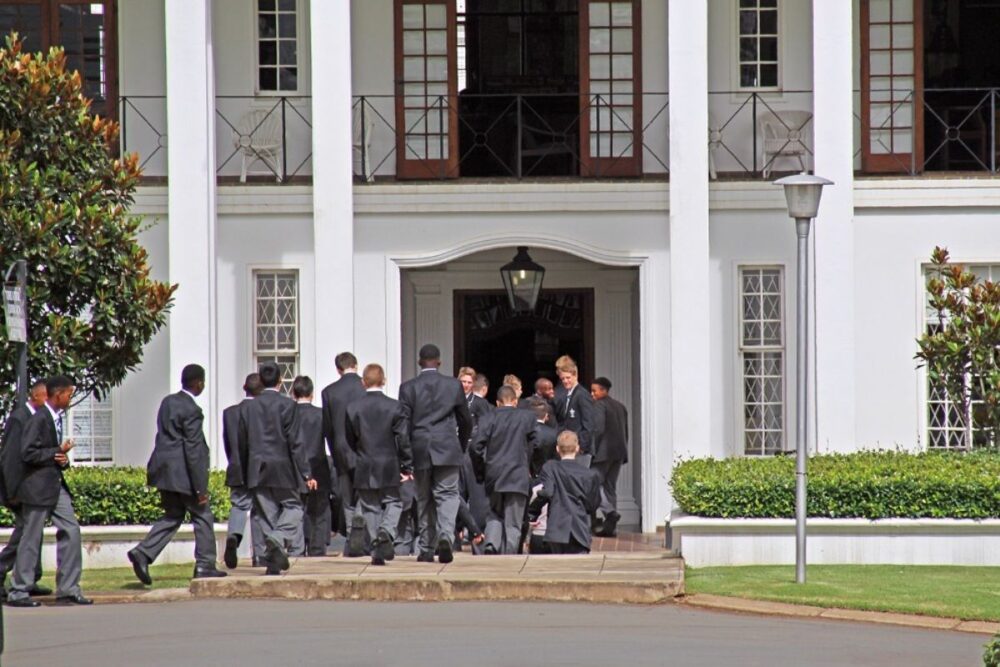
In a bright moment for education in South Africa, five private schools have secured places in the coveted Spear’s Magazine 2025 Schools Index, a benchmark list of the top 100 private schools globally. This achievement highlights the strength and quality of South Africa’s independent-school sector on the international stage.
What the Index Measures
The Spear’s Schools Index, now in its sixth year, is compiled by a panel of international education experts. While academic and examination performance remain important, the ranking places heavy emphasis on broader criteria such as reputation, social and cultural impact, and value-based factors.
“In some cases, schools with strong academics have been omitted where they fall short in relation to these wider considerations.”
Spears Schools Index
Top South African Schools
The South African schools recognised under the “Rest of the World” category in the index include:
- Hilton College (KwaZulu-Natal)
- Michaelhouse (KwaZulu-Natal)
- St Anne’s Diocesan College (KwaZulu-Natal)
- Cordwalles Preparatory School (KwaZulu-Natal)
- Western Province Preparatory School (Cape Town)
This recognition sends a strong message locally and internationally: South Africa is home to private education institutions that meet global standards of excellence.
The Price Tag of Excellence
Top-tier schooling often comes with high costs. The featured schools command some of the highest tuition and boarding fees in South Africa, with some institutions charging over R 340,000 per year. While expensive, these fees reflect the quality of facilities, academic programmes, extracurricular opportunities, and pastoral care offered.
Parent Guide: Choosing a Top Private School
Selecting a private school can feel daunting, especially when fees rival those of international institutions. Parents should consider the following questions:
Q1: What makes the school’s approach unique?
A: Ask how the school balances academic achievement with emotional intelligence, creativity, and leadership development. A strong school will integrate these aspects into everyday learning rather than focusing solely on exams.
Q2: What values drive the school culture?
A: Look for alignment with your family’s principles. Value-based education is highly regarded, so the school should actively promote ethics, respect, and community alongside academic learning.
Q3: How do graduates perform after leaving?
A: Review alumni outcomes, including university placements, scholarships, and career achievements. This gives insight into the long-term effectiveness of the school’s academic and pastoral programmes.
Q4: What level of pastoral care and student support is available?
A: Schools should prioritise mental health, inclusivity, and mentorship. Ask about counselling services, support for students with additional learning needs, and initiatives that promote wellbeing and social development.
Q5: Is the cost transparent and all-inclusive?
A: Confirm whether the fees cover all essentials such as textbooks, boarding, sports, and international exchange programmes. This ensures there are no unexpected costs and helps you plan effectively for your child’s education.