This year, SABIS® celebrates its 140th anniversary, marking a significant milestone in the history of an education organisation that began with a small school in the village of Choueifat, Lebanon, in 1886.
What started as a school founded by Tanios Saad and Louisa Procter has developed into a global education network with an active presence in 21 countries across five continents. Today, SABIS® operates schools across the public and private sectors and continues to implement its proprietary SABIS® Educational System across its network.
For parents and education communities, the anniversary offers an opportunity to look beyond the number of years and consider how the organisation has evolved while retaining the educational principles at the centre of its work.
From A School For Girls To An International Education Network
The SABIS® story began at a time when access to education for girls in rural Lebanon was limited.
Tanios Saad, a teacher, met Louisa Procter in the early 1880s. Procter was working with women in the Choueifat area, and Saad persuaded her that education could play an important role in improving opportunities for girls.
In 1886, the pair founded a school for girls in Choueifat. The school was initially housed in a former silk factory, before expanding as demand for education grew. By 1888, boys from the village were also being admitted.
The school’s development was not always straightforward. The First World War presented a major challenge, while the school later had to navigate further periods of regional instability and conflict.
Despite these challenges, the institution continued to develop.
In 1943, Charles Saad became principal after Tanios Saad stepped down. During the following decades, the school expanded its facilities and strengthened its academic approach. In the late 1950s, Charles Saad recruited a team that helped establish the foundations for the educational system that would later become associated with SABIS®.
How SABIS® Began Its International Expansion
The move beyond Lebanon began in the 1970s.
In 1975, a SABIS® school opened in Sharjah, marking the organisation’s first expansion outside Lebanon. The network then expanded into Europe and the United States, with schools opening in England in 1983 and Minnesota in 1985.
The expansion continued into Asia and other regions.
In 1995, SABIS® opened its first school in North Africa, in Cairo, Egypt. This was an important step in establishing the organisation’s presence on the African continent.
Today, Africa remains an important part of the SABIS® network, with schools operating in Egypt, Kenya and Morocco. The current network lists six private schools across these three countries.
SABIS® Schools Across Africa
The African schools demonstrate how the SABIS® Educational System is adapted to different national and local settings while maintaining a common academic structure.
The International School Of Choueifat – Cairo, Egypt
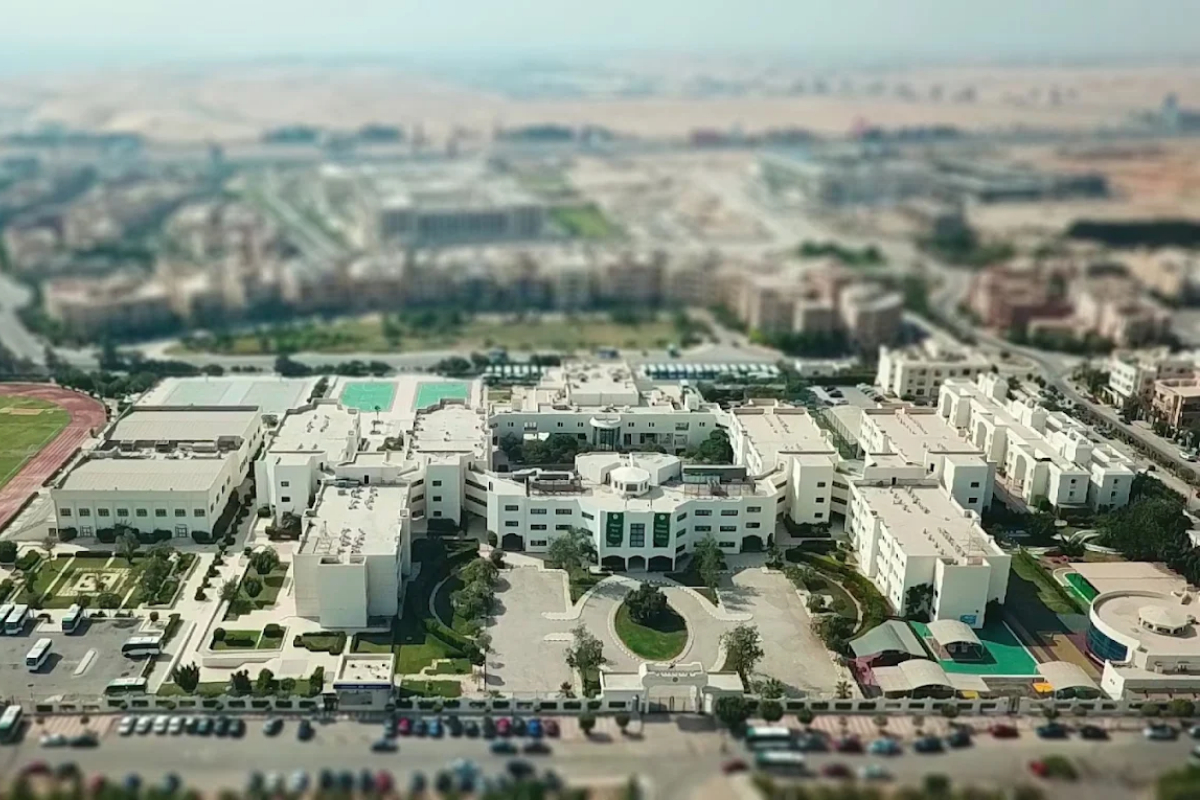
Located in Katameya, New Maadi, The International School of Choueifat – Cairo was established in 1995. The school provides co-educational, English-medium education from KG1 to Grade 12.
The school follows the SABIS® Educational System and offers an international curriculum aligned with international standards.
Students can prepare for a range of external examinations, including the British IGCSE, O Level, AS and A Level qualifications and U.S.-based ACT, SAT, TOEFL and AP® examinations. The curriculum also includes English, Arabic and an additional world language.
The school also incorporates the SABIS® Student Life Organization, giving students opportunities to develop leadership, communication and other life skills alongside their academic studies.
CADMUS® International School – Alburouj, Cairo, Egypt
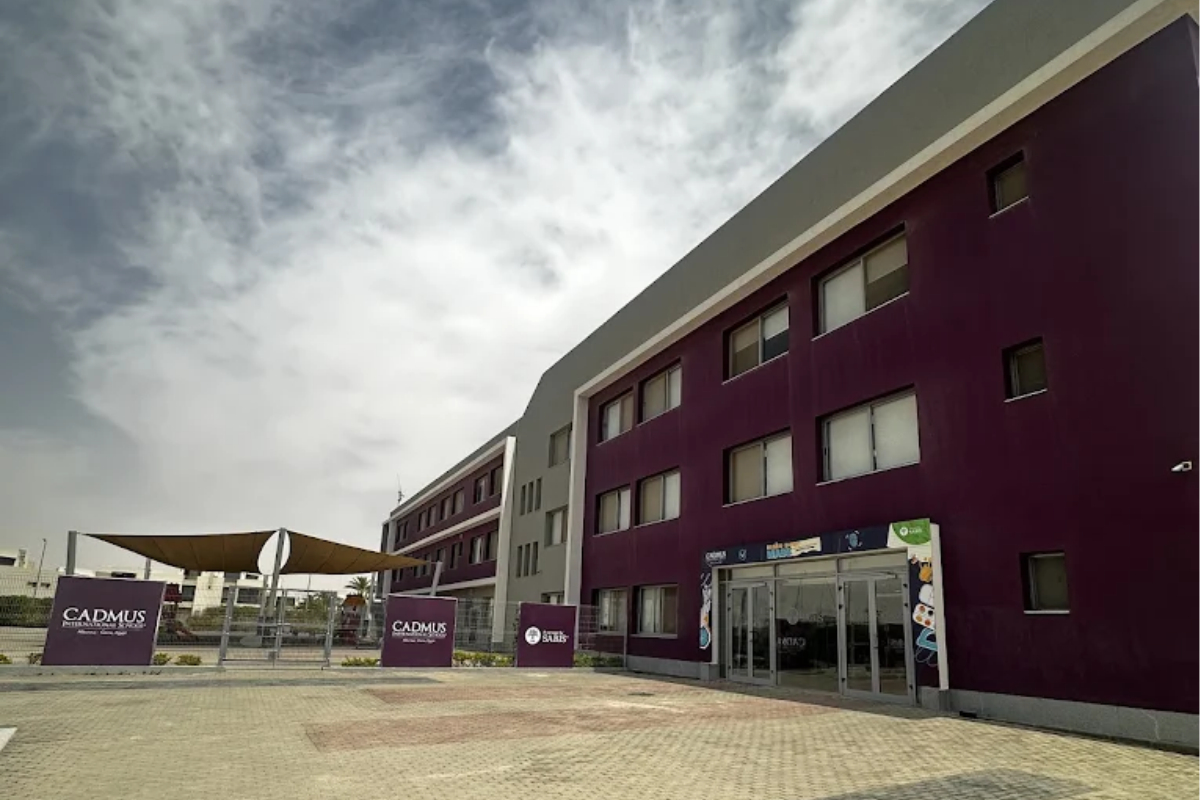
CADMUS® International School – Alburouj is part of SABIS®’s CADMUS® school model and provides education from Kindergarten through Grade 12.
The school follows the SABIS® Educational System and offers a trilingual education in English, Arabic and an additional world language. Its curriculum includes strong foundations in English and mathematics, with science becoming a particular focus in secondary school.
Students are prepared for internationally recognised examinations, including British IGCSEs and the U.S.-based Advanced Placement® programme.
The wider curriculum includes social studies, music, fine arts, physical education, psychology, business and economics, computer studies and other subjects designed to broaden students’ academic experience.
CADMUS® International School – New Administrative Capital, Cairo, Egypt
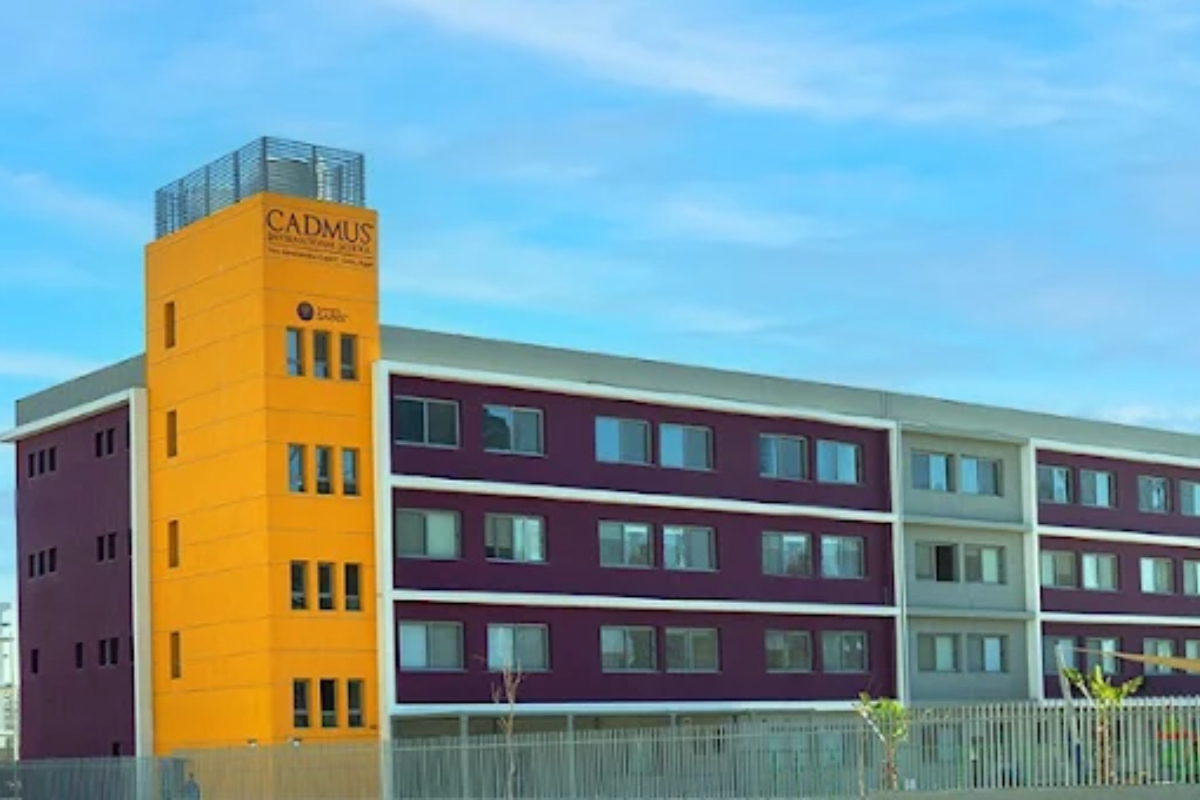
CADMUS® International School – New Administrative Capital is located in Residential Area 3 of the New Administrative Capital.
It is the first CADMUS® school to open in Egypt and provides a K-12 international education through the SABIS® Educational System. The school describes its programme as trilingual, with students developing fluency in English, Arabic and an additional world language.
From high school, students can choose programmes based on their interests and future plans. The school prepares students for examinations including British IGCSEs and AS and A Levels, as well as U.S.-based AP® examinations.
The campus also incorporates digital learning tools, including e-books, interactive smart boards and SABIS® learning and assessment systems.
The International School Of Choueifat – City Of 6 October, Egypt
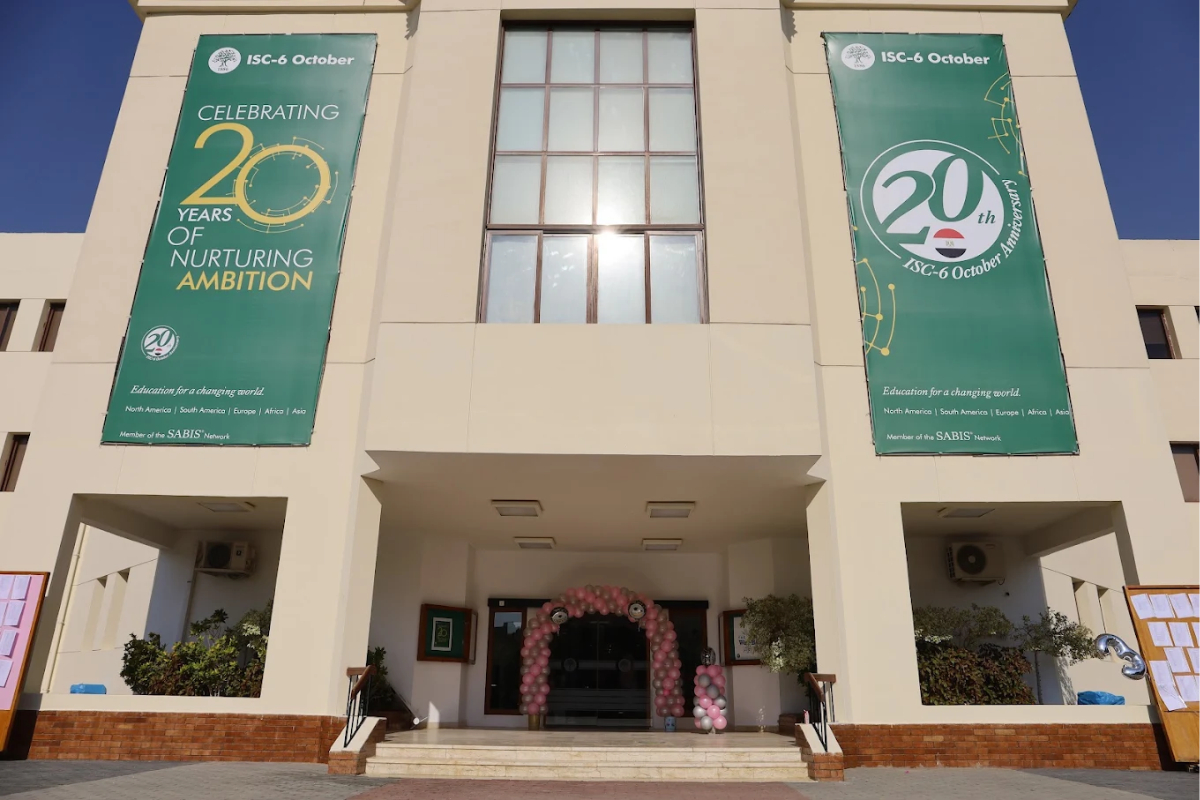
The International School of Choueifat – City of 6 October opened in 2003 and serves local and international families in the City of 6 October area of Greater Cairo.
It is a non-selective, co-educational, English-medium day school following the SABIS® Educational System.
The school’s curriculum draws on both American and British educational systems. Students can prepare for American examinations including SAT, TOEFL and AP®, as well as British qualifications including IGCSE, O Level, AS and A Levels.
The curriculum places emphasis on English, mathematics and science, alongside world languages and a broad range of academic and creative subjects.
SABIS® International School – Runda, Nairobi, Kenya
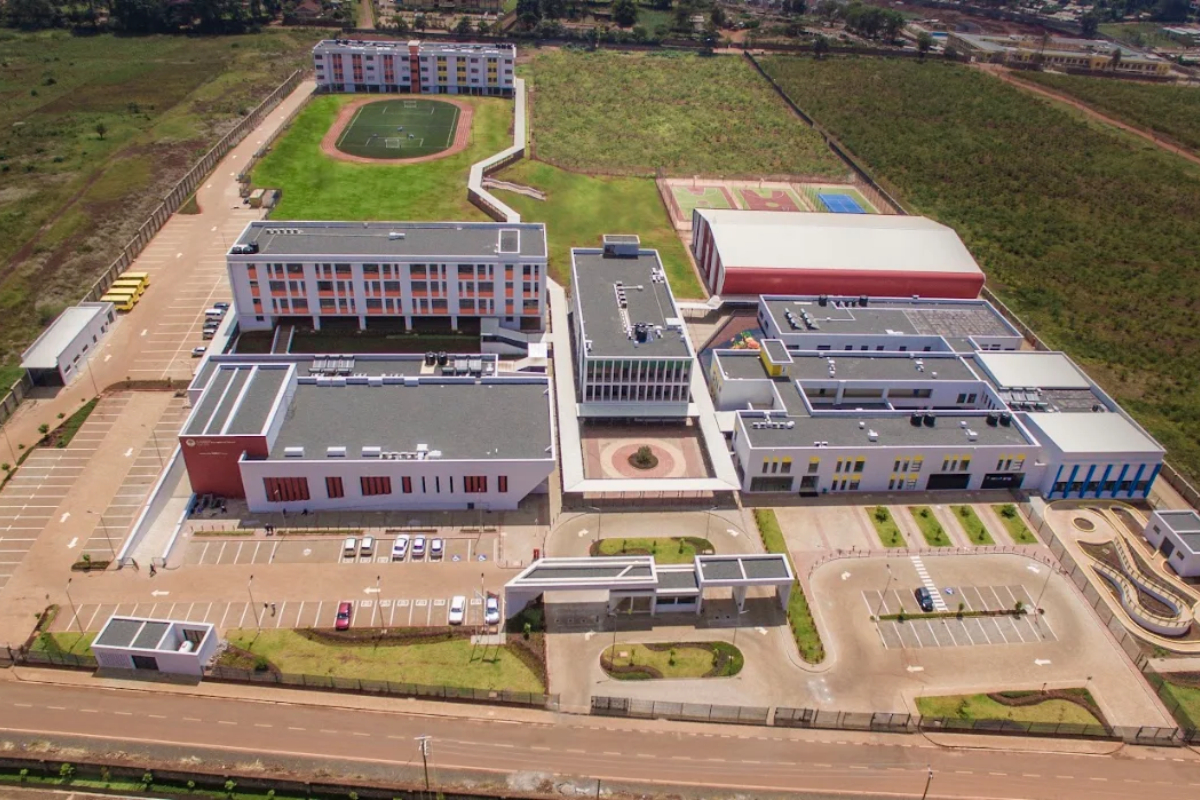
SABIS® International School – Runda opened in 2018 and is located in the Two Rivers area of Nairobi, Kenya. It provides education from Kindergarten through Grade 12.
The school follows the SABIS® Educational System and offers a broad international curriculum.
Students develop fluency in English, French and Kiswahili. The curriculum places particular emphasis on English and mathematics, while science becomes a stronger focus in secondary school. Students are prepared for external examinations including British IGCSEs and the U.S.-based AP® programme.
The school also integrates subjects including computer studies, robotics, 3D printing and web development. Its Student Life Organization provides students with opportunities to develop leadership, communication, teamwork and other skills through student participation.
CADMUS® International School – Zenata, Morocco
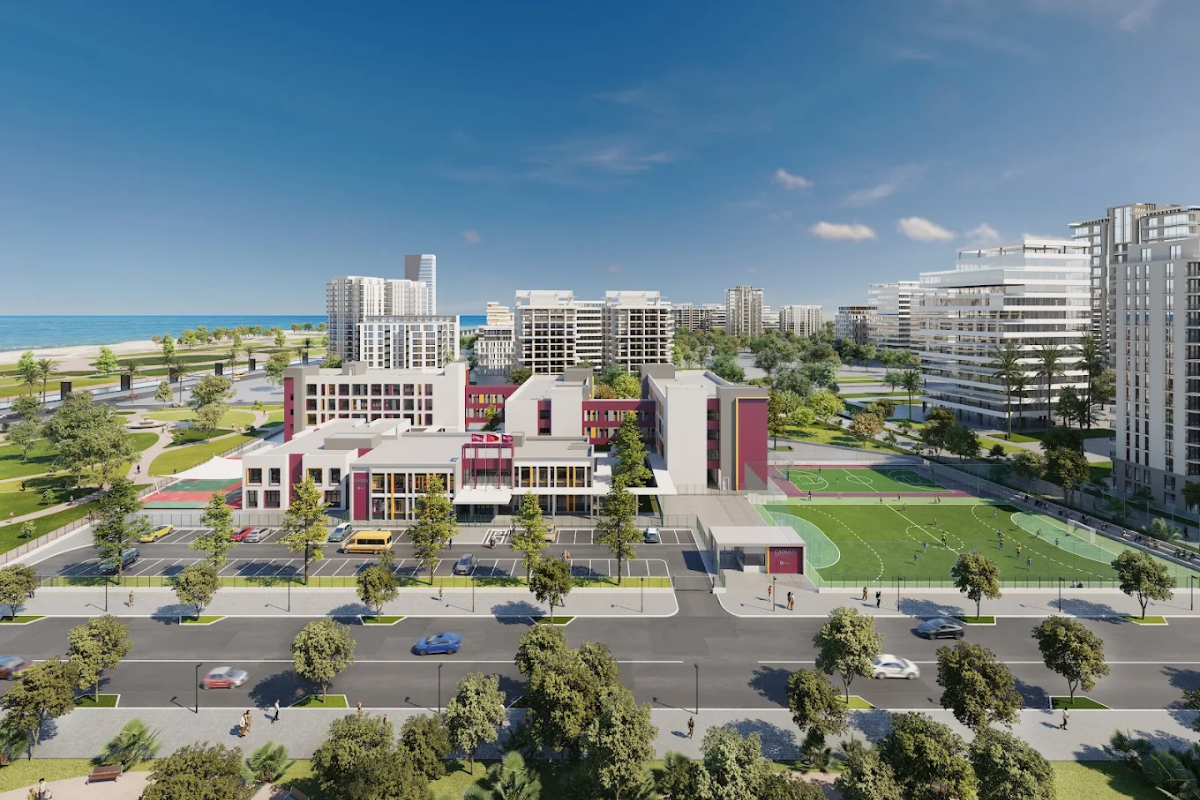
CADMUS® International School – Zenata is located in Zenata Eco-City, Ain Harrouda, Morocco.
The school follows the SABIS® Educational System and provides students with an international curriculum that develops fluency in English, Arabic and French.
From Grade 9, students can focus on pathways according to their interests and future plans. The school prepares students for internationally recognised examinations including British IGCSEs and AS and A Levels, U.S.-based AP® examinations, the French Baccalaureate and the Moroccan Baccalaureate.
This combination is particularly relevant to families looking for an international education while retaining access to national and regional qualifications.
What Is The SABIS® Educational System?
Across these schools, the common thread is the SABIS® Educational System.
The system has been developed and refined over more than a century. It combines an international curriculum with structured teaching, frequent assessment, academic monitoring and student participation.
A key feature is the use of clearly defined learning objectives, referred to by SABIS® as “points”. Teachers introduce concepts systematically, assess understanding and use follow-up systems to identify areas where students may need additional support.
The SABIS® Academic Monitoring System is designed to track individual progress and identify gaps in knowledge so that schools can provide targeted support.
The approach also places importance on student participation. Through the SABIS® Student Life Organization, students can take part in activities that develop leadership, communication, collaboration and other skills alongside academic learning.
Keeping The System Consistent Across Different Countries
One of the more notable aspects of the SABIS® model is its presence across very different education systems.
A student in Nairobi may study in English, French and Kiswahili, while a student in Zenata develops fluency in English, Arabic and French. In Egypt, students can access a combination of British and American examination pathways, while CADMUS® Zenata offers routes that also include French and Moroccan qualifications.
The common SABIS® structure provides continuity, while individual schools incorporate local requirements, languages and qualifications.
For internationally mobile families, this can also be relevant when considering school transfers between countries.
140 Years Of Evolution In Education
SABIS®’s history is ultimately a story of continued development.
The organisation began with a small school established to provide girls with access to education in 19th-century Lebanon. It later developed a proprietary educational system and expanded internationally.
The network now has an active presence in 21 countries across five continents, with schools operating in both the public and private sectors.
Its African presence reflects this wider evolution. From the first North African school in Cairo in 1995, the network has expanded to include schools in Egypt, Kenya and Morocco, with different curriculum pathways designed around the needs of their communities.
As SABIS® marks its 140th anniversary, its history also provides context for the organisation’s continued emphasis on academic foundations, assessment, student participation and preparation for university and future careers.
Looking Ahead To The Next Generation
Reflecting on this milestone, SABIS® President Victor Saad commented,
“For 140 years, SABIS® has remained committed to its values and principles while continually evolving to meet the needs of each new generation. This anniversary is a celebration of our legacy and a reaffirmation of our commitment to prepare students to succeed in a rapidly changing world.”
That balance between continuity and change has been a recurring feature of the organisation’s development.
SABIS® continues to emphasise its established educational system while incorporating technology, digital learning tools and programmes designed to support changing academic and workplace needs.
For students and families, the significance of the 140-year milestone is therefore not only about longevity. It is also about how an education model first developed in a Lebanese village has been adapted for schools serving increasingly diverse communities across Africa and the wider world.
As SABIS® reflects on its legacy, the organisation looks confidently to the future. While continuing to evolve with the times, SABIS® is embracing innovation and technology and continuing to provide its students with the strong foundation of knowledge and skills they will need to thrive in an ever-changing world.