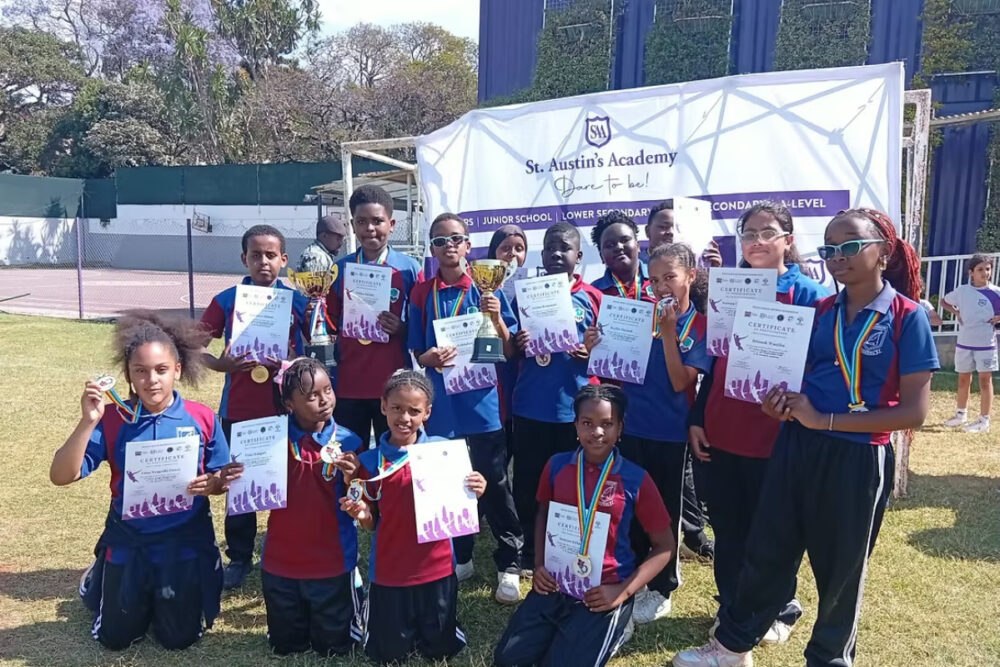

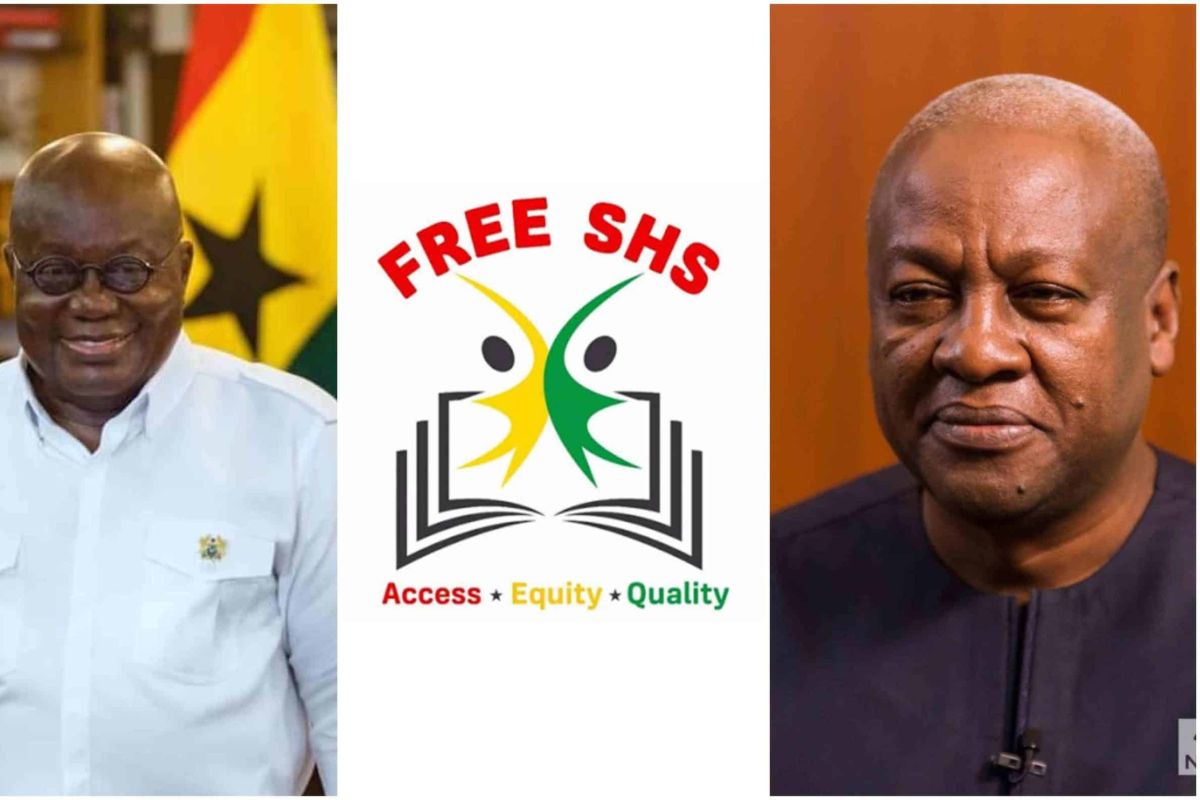
Ghana is breaking new ground in education access. For the first time since the launch of its flagship Free Senior High School (Free SHS) programme in 2017, the government is extending the initiative to private schools. In June 2025, the Ministry of Education approved 25 private high schools to participate in the scheme, offering hope to thousands of students and easing pressure on the country’s overstretched public system.
A Bold Move to Tackle Overcrowding
Since its introduction, Free SHS has been a landmark policy, opening doors for millions of students who might otherwise have been excluded from higher education. However, the programme has also brought challenges. Overcrowded classrooms, inadequate infrastructure, and strained teaching resources have been persistent issues across many public senior high schools.
By bringing private institutions into the fold, the government hopes to reduce congestion while making sure no qualified student is turned away because of limited space. This pilot programme, covering schools in all 16 regions, will ensure that eligible students are admitted through the national placement system and that government subsidies will cover their tuition.
The Ministry of Education has made clear that not all private schools are eligible. Participating schools must meet the same standards as their public counterparts, ensuring quality and consistency across the board. Importantly, they are prohibited from charging “top-up” fees, meaning students will not face hidden costs.
“This milestone reflects our commitment to inclusive quality education. The program outcomes will inform future scaling decisions. The move comes as Ghana works toward Sustainable Development Goal 4 targets, with current SHS enrollment exceeding 1.2 million students nationwide.”
Ghana Education Service (GES) Director, Prince Agyemang-Duah
This condition underscores the government’s determination to keep the Free SHS programme truly free and accessible to all. Education officials have also emphasised that the policy is not a handout to private schools but a strategic step to maximise existing infrastructure for the benefit of Ghanaian students.
Nationwide Coverage with Regional Balance
The 25 schools selected for the pilot are spread evenly across Ghana’s 16 regions, ensuring that no part of the country is left behind. From Greater Accra to the Northern, Ashanti, and Volta regions, the initiative has been designed to serve both urban and rural communities.
By broadening the geographical reach, the government is addressing long-standing disparities in educational opportunities, particularly in underserved areas where students often face longer travel distances to access senior high school.
Relief for Parents and Students
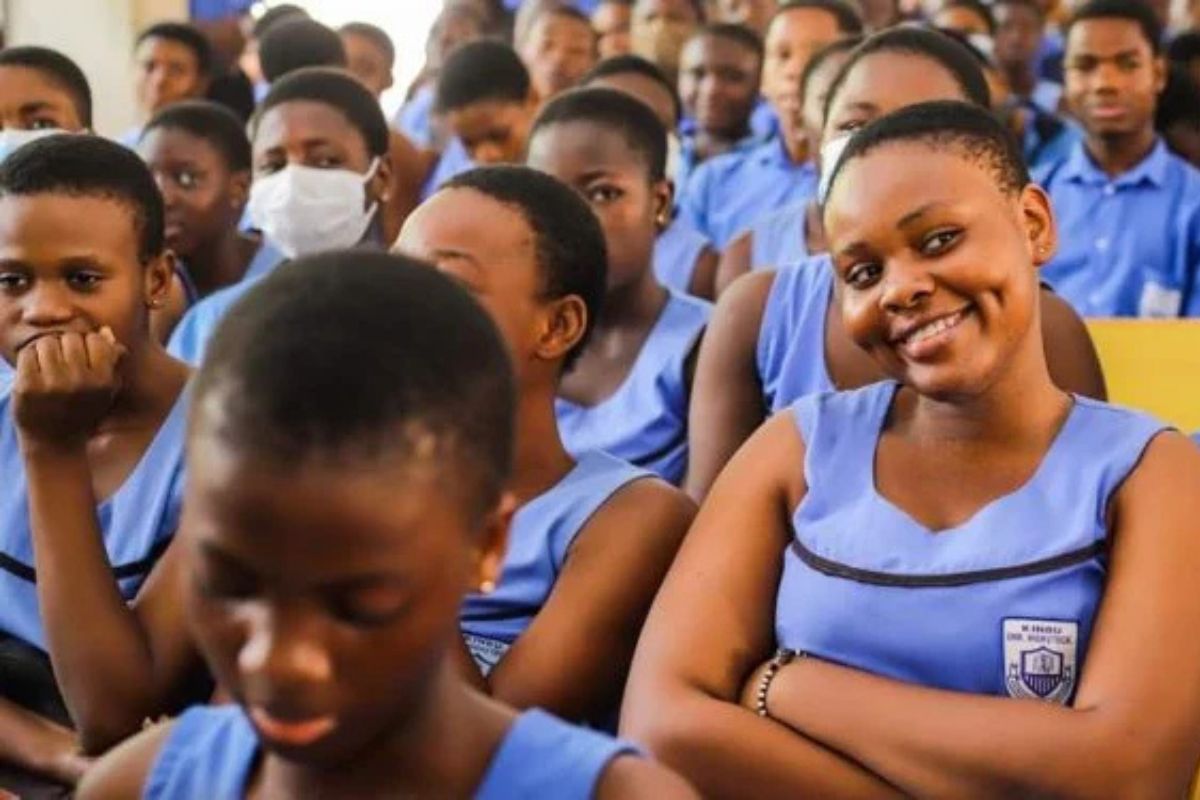
Parents across Ghana have welcomed the move, particularly those who have struggled to secure school placements for their children due to limited spaces in public schools. The inclusion of private schools gives families more options without the financial burden of paying full private school fees.
Students, too, are likely to benefit from smaller class sizes and improved teacher-student ratios in private institutions compared with overcrowded public schools. This may translate into better learning outcomes and enhanced academic performance.
Building on Progress Since 2017
Since its launch, the Free SHS programme has enrolled over 1.6 million students, transforming access to education across the country. Yet demand continues to outstrip capacity. According to government data, thousands of qualified students risk being left out each year due to a lack of space.
The private school pilot is therefore seen as a critical step in scaling the programme. If successful, it could pave the way for a more permanent partnership between the public and private sectors in education.
Challenges Ahead
While the policy has been widely praised, experts warn that effective monitoring will be key. Ensuring that private schools comply with the no-top-up rule, maintain teaching standards, and deliver quality education will require strong oversight.
There are also questions about funding sustainability. With government subsidies now covering private school tuition, the Ministry of Finance will need to ensure timely disbursements so schools can operate smoothly without compromising quality.
A New Chapter for Ghana’s Education System
This bold pilot is a landmark moment in Ghana’s educational journey. By bringing private schools into the Free SHS programme, the government is not only addressing overcrowding but also making a statement about inclusivity and innovation in policy design. If implemented successfully, it could serve as a model for other African nations grappling with similar challenges in balancing free education policies with limited infrastructure.
For now, all eyes will be on the 25 private schools and the thousands of students who will take their seats in September 2025. Their success or struggles will shape the future of Free SHS in Ghana and determine whether private-public collaboration becomes a permanent feature of the country’s education landscape.
Parents and students can stay updated by checking the Ghana Education Service website or contacting their local district education office. Families are encouraged to use the Computerised School Selection and Placement System (CSSPS) to confirm school allocations and ensure timely enrolment.