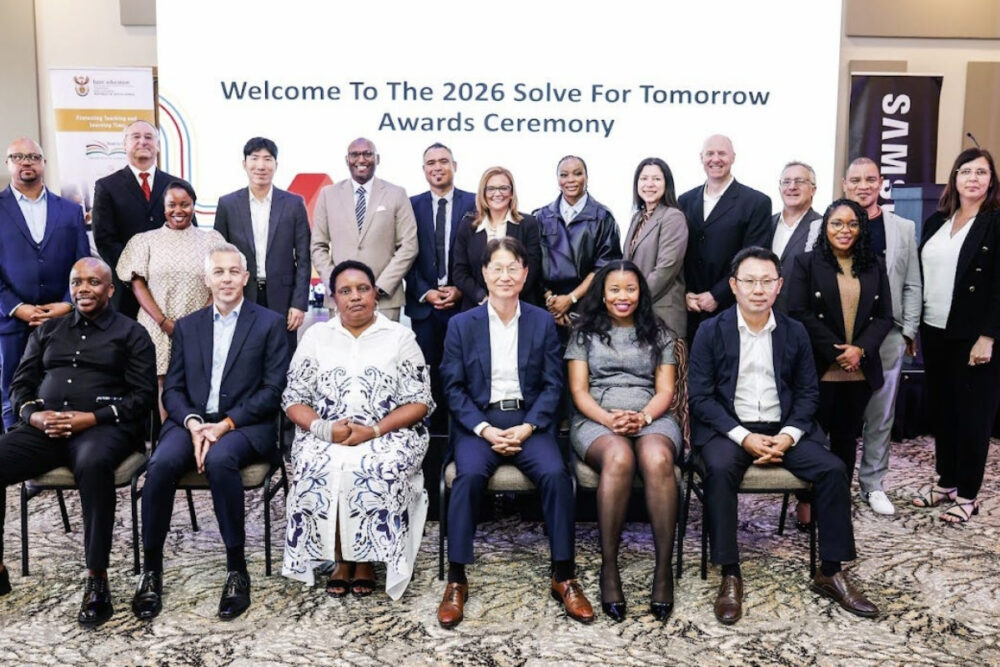
Three South African public schools have won the 2026 Samsung Solve for Tomorrow competition, with student projects tackling plastic pollution, overcrowding and food insecurity. The STEM competition highlights how practical science and technology education can help learners address challenges in their communities.
The national awards ceremony took place on 2 October 2026 at Irene Country Hotel in Centurion, Gauteng. Samsung South Africa and the National Department of Basic Education (DBE) organised the competition to encourage young people to apply science, technology, engineering and mathematics (STEM) skills to real-world problems.
Samsung Solve For Tomorrow Recognises Three Winning Schools
The 2026 Samsung Solve for Tomorrow competition awarded three public schools for developing prototypes with potential community benefits.
Cape Recife High School in the Eastern Cape won first prize for a device that converts recycled plastic bottles into material for 3D-printed sports equipment. Mbilwi Secondary School in Limpopo secured second place for its project exploring low-cost construction materials made from pollution and waste. Sekete IV Secondary School in North West took third place for a solution addressing food insecurity and access to affordable, fresh produce.
The winning schools received cash prizes to invest in STEM equipment, while learners from all three teams received Samsung Galaxy smartphones.
The awards recognise more than the finished prototypes. They also highlight the value of giving learners opportunities to identify local problems, test ideas and develop practical solutions through classroom learning.
How Learners Are Turning Plastic Waste Into Sports Equipment
Cape Recife High School’s winning project connects environmental sustainability with access to sport.
The learners identified two related challenges. Plastic bottles contribute to pollution and landfill waste, while some underserved communities struggle to access affordable sports equipment.
Their solution was to build an electronic device that converts recycled polyethylene terephthalate (PET) plastic bottles into filament for 3D printing. The team then uses this material to produce functional sports equipment for local sports teams.
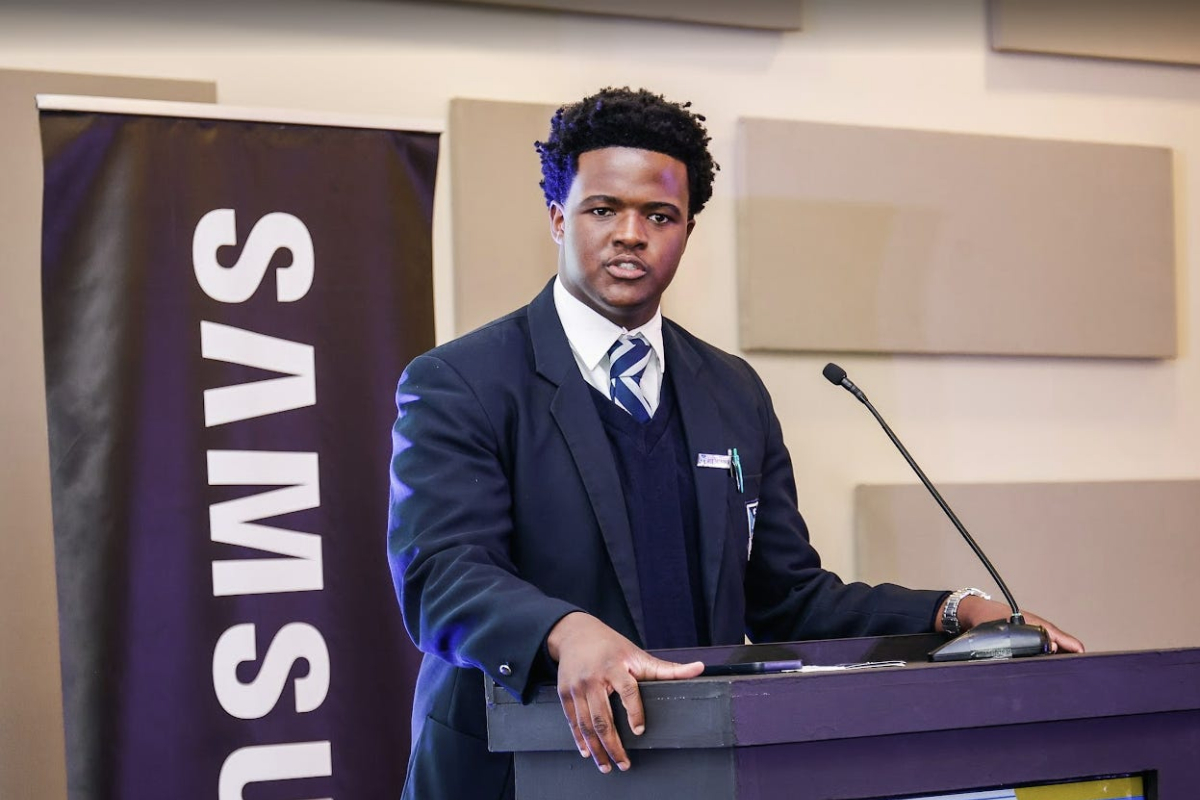
Kukhanya Mbebe, a Grade 10 learner representing the winning team said,
“We still can’t believe we won! When we started, we just wanted to fix a problem we saw in our community. Working on this project has taught us how to think like inventors and use technology to make a difference. For us, as a special needs school, to be here and announced as 2026 winners of the competition is a huge honour, and we hope our solution will go a long way towards making South Africa a better place.”
The team received seed funding, tablets with data connectivity and guidance from Samsung employee volunteers. These resources helped learners design and develop working prototypes. Mbebe added,
“The fact that we had Samsung mentors guiding us throughout this journey has helped us believe in our ideas and, this experience has also changed how we see our future. This competition has shown us that public school learners also have what it takes to build the future of South Africa and, we are very excited to take this STEM equipment back to our school.”
The experience illustrates how hands-on STEM projects can help learners connect classroom concepts with practical challenges. It also gives young people an opportunity to develop teamwork, problem-solving and design skills.
STEM Projects Address Construction And Food Security
The other winning teams focused on challenges affecting their communities.
Mbilwi Secondary School’s second-place project explored ways to transform pollution and waste into low-cost construction materials. The team aimed to support more sustainable community development while addressing overcrowding.
Meanwhile, Sekete IV Secondary School developed a prototype focused on food insecurity in its local urban centre, where residents face difficulties accessing affordable, fresh produce.
Together, the projects demonstrate how STEM education can extend beyond traditional science experiments. Learners can use research, design and technology to investigate issues affecting housing, the environment and access to essential resources.
For educators, these projects offer examples of how classroom learning can connect with local needs. For students, they show that innovation can begin by observing a problem and working collaboratively to find a possible solution.
Samsung And Education Department Expand STEM Opportunities
The 2026 competition attracted 143 project submissions from public schools across South Africa, compared with 47 entries in 2025.
This increase highlights growing participation in the programme and the importance of providing learners with opportunities to explore STEM subjects beyond theoretical lessons.
The DBE’s Mathematics, Science and Technology (MST) education initiative also supports participation through targeted resources, teacher training and implementation monitoring under the MST Conditional Grant.
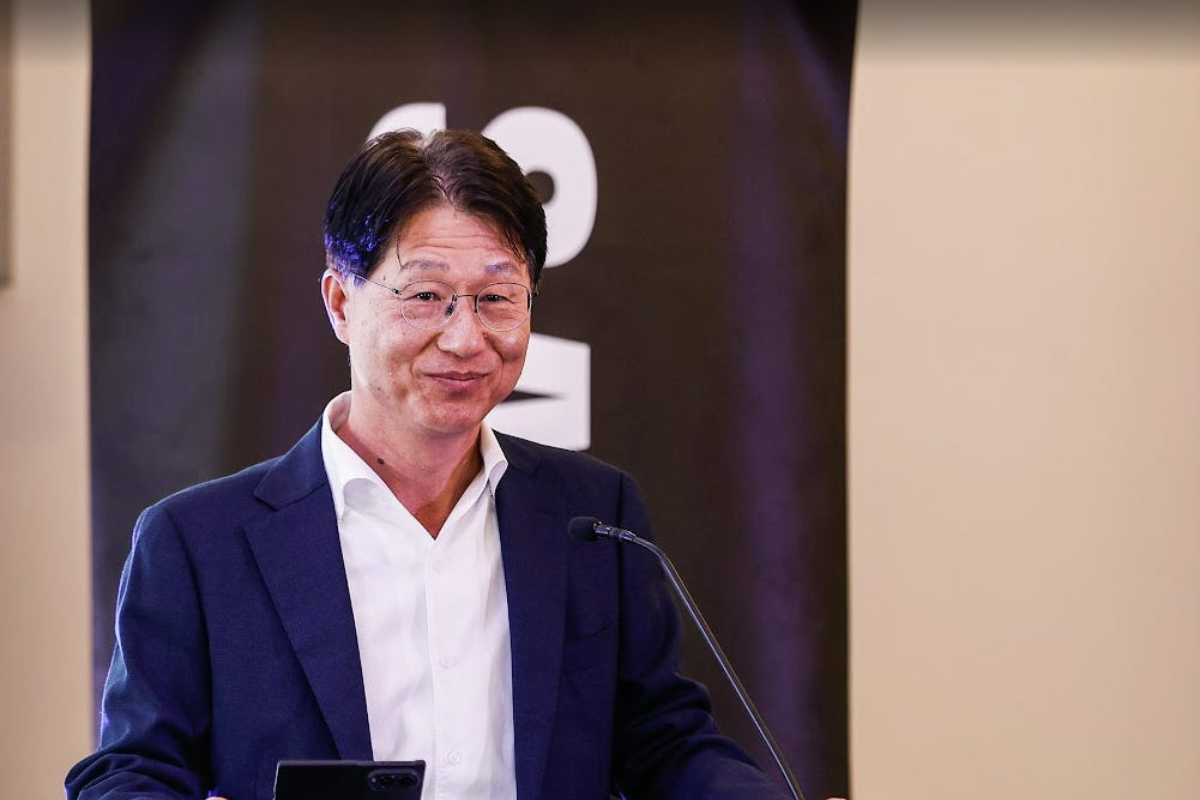
At the awards ceremony, Samsung Africa President and CEO Simon Lee congratulated the winners and finalists. He highlighted the company’s commitment to education, technology and youth development through initiatives such as Solve for Tomorrow and the Samsung Innovation Campus.
The partnership also supports South Africa’s National Development Plan, Vision 2030, and aligns with the United Nations Sustainable Development Goal 4, which focuses on quality education. The programme also encourages young women to explore STEM-related fields.
Minister of Basic Education Siviwe Gwarube emphasised the importance of collaboration between government, businesses and communities in improving educational opportunities.
“Education must help young people prepare for the future that they want for themselves, and that we want as a country. We cannot perpetuate the inequality that currently exists. The best education systems in the world focus on building strong foundations, and it is through initiatives such as Solve for Tomorrow that we can also build that solid foundation. We cannot solve some of the challenges alone and can only do so through partnerships like this one. Thank you to Samsung for the work that you do, it is inspiring. Thank you for investing in South Africa and the future of our young people.”
The 2026 competition focused on two themes, Environmental Sustainability through Technology and Social Inclusion through Sports and Technology.
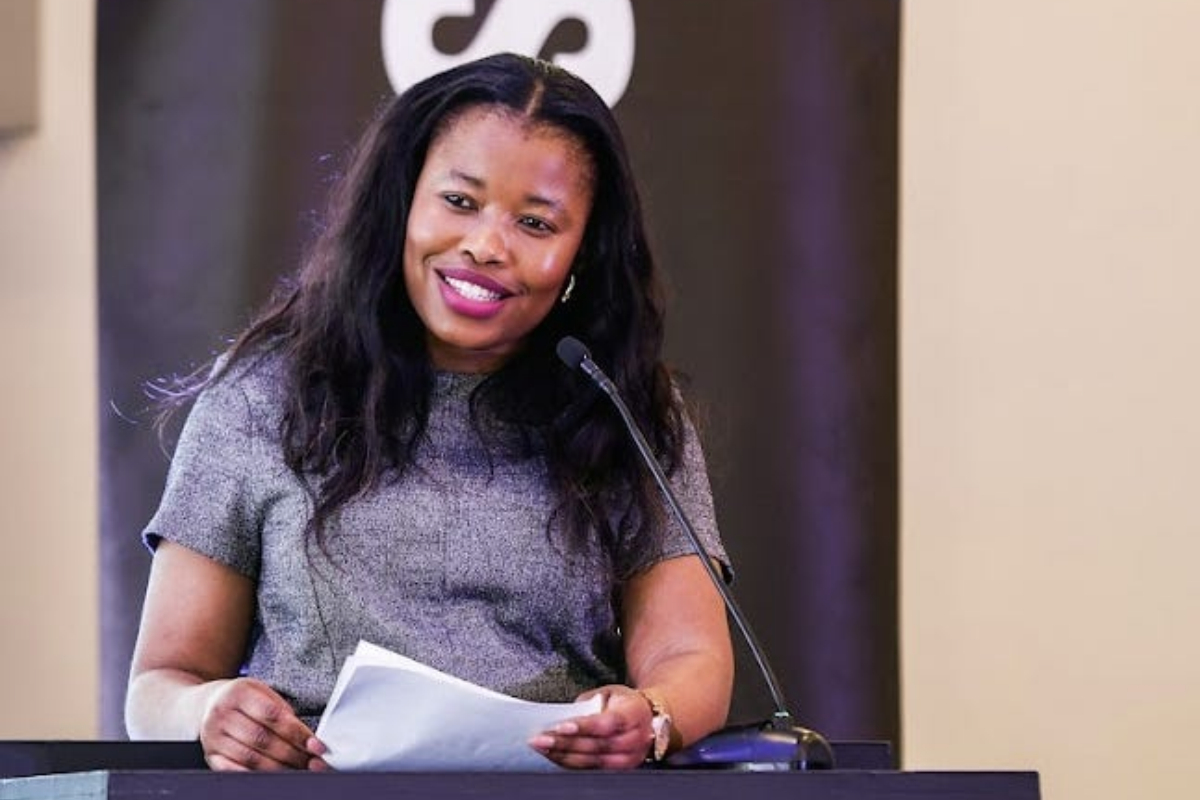
Samsung South Africa’s Corporate Social Responsibility Manager, Lefa Makgato said,
“Congratulations to all our participants. As Samsung, we strongly believe that education is the foundation that allows youth to realise their full potential. Through our strong collaborative partnership with the DBE, we are proud to continue empowering young minds and inspiring positive change across South Africa.”
What The Competition Means For Schools And Learners
The winning projects offer a useful reminder that STEM education can help learners develop skills while engaging with issues beyond the classroom.
When schools give students opportunities to investigate real problems, they can encourage curiosity, independent thinking and collaboration. Mentorship and access to equipment can also help learners turn early ideas into working prototypes.
For parents and educators, the competition highlights the value of encouraging children to ask questions, experiment and explore how subjects such as mathematics and science apply to everyday life.
Ultimately, programmes such as Samsung Solve for Tomorrow show how schools can help learners build confidence in their abilities while exploring ways to contribute to their communities.