Artificial intelligence education is increasingly becoming a priority beyond computer science departments, as African countries invest in preparing students for workplaces being transformed by technology.
On 31 October 2026, ministers from the East African Community adopted regional artificial intelligence and digital transformation strategies, alongside approving the establishment of a foundational AI module for universities.
The decision signals growing recognition that graduates in subjects ranging from agriculture to healthcare will need to understand how artificial intelligence works, where it can be useful and when its outputs should be questioned.
AI Literacy Beyond Computer Science
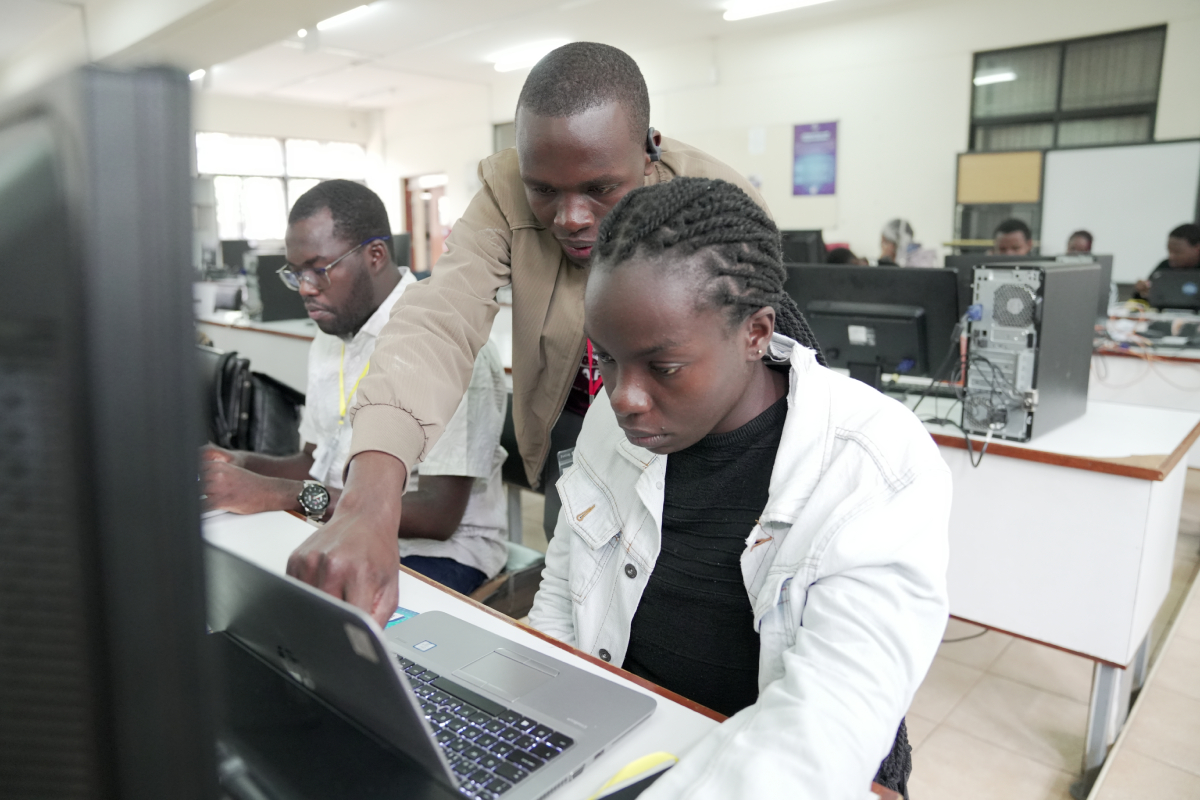
For universities, introducing AI education across disciplines presents a different challenge from training software engineers.
An agriculture student using technology to interpret environmental information may need to assess whether the underlying data accurately represents local conditions. A medical student must understand why an AI-generated recommendation cannot substitute for clinical judgement.
These applications require subject expertise alongside an understanding of the limitations of digital tools.
The ability to evaluate information, recognise inaccurate outputs and understand how automated systems reach conclusions is becoming an increasingly relevant part of graduate preparation.
Turning Investment Into Educational Opportunity
Beyond the East African Community, Ethiopia has also been investing in artificial intelligence research and education.
In February 2026, the Ethiopian Artificial Intelligence Institute, Addis Ababa University and the United Nations Development Programme launched an AI University Innovation Pod in Addis Ababa.
The facility provides a setting for research, innovation and collaboration involving academic institutions and technology developers.
Ethiopia has also adopted national AI policy and strategy frameworks, according to UNESCO’s assessment of the country’s readiness for artificial intelligence.
However, establishing research facilities represents only one part of developing a digitally capable workforce. Education institutions must also consider how students outside specialist technology programmes can acquire relevant skills.
Preparing the Teachers Who Will Teach AI
Educator training is another important component of this transition.
In Kenya, UNESCO’s Global Skills Academy initiative plans to support 23 technical and vocational education institutions through more than 200 AI-trained educators in 2026.
Meanwhile, workshops held in Ethiopia during July and August have examined digital training requirements and revised learning materials for vocational education.
These initiatives demonstrate the importance of connecting investment in technology with curriculum development and professional training.
For students preparing to enter increasingly digital workplaces, the question is not whether every graduate should become an AI developer. It is whether every graduate should understand enough about AI to make informed decisions within their own profession.