
From East to West and North Africa, governments are moving away from rote memorisation and towards skills-based, inclusive learning. For parents and students, these changes signal a new era of opportunities, but also of challenges and debates.
“We are committed to closing Africa’s learning data gaps and ensuring every child’s learning is visible, measurable, and acted upon.”
Moussa Faki Mahamat, Chairperson of the African Union Commission
East Africa: Uganda Moves Towards Competency-Based Learning
In Uganda, the shift to a competency-based curriculum in primary schools marks one of the region’s most ambitious education reforms. According to the Global Partnership for Education Knowledge & Innovation Exchange (gpekix.org), this approach is designed to emphasise problem-solving, collaboration and digital literacy rather than purely academic recall. Parents are seeing new learning materials, teacher retraining programmes and more project-based assignments coming home.
For students, the competency model means they are assessed on how well they apply knowledge in real-life contexts, a major departure from traditional exams. The reform also aims to bridge the gap between school and the rapidly changing labour market, giving graduates a stronger foundation for employment or entrepreneurship.

West Africa: Ghana’s Revised Secondary Curriculum
In Ghana, the National Council for Curriculum and Assessment (nacca.gov.gh) has introduced a revised secondary curriculum with new subject combinations, a move intended to give teenagers more flexible pathways. STEM subjects are being strengthened, but so too are creative arts and entrepreneurship modules.
Parents and students have welcomed the opportunity to tailor subject choices more closely to interests and career ambitions. However, the transition has not been without teething problems, some schools struggle with resources, while teachers are undergoing intensive training to align with the new framework.
Education experts at UNESCO’s International Institute for Educational Planning (iiep.unesco.org) say Ghana’s approach reflects a wider African trend: balancing core knowledge with 21st-century competencies such as critical thinking, innovation and global citizenship.
North Africa: Language of Instruction Sparks Debate
In Morocco and Algeria, curriculum reform has taken a different form. Both countries have introduced more English into schools, gradually reducing the dominance of French in key subjects. Proponents argue that English opens doors to global science, technology and commerce, better equipping students for international higher education and employment.
Yet the language shift has sparked heated debates among parents, teachers and policymakers. Some worry about cultural erosion or the pace of change, while others see it as overdue modernisation. Students themselves often view increased English as an advantage, especially when it comes to digital learning and global collaboration.
Why These Reforms Matter for Parents and Students
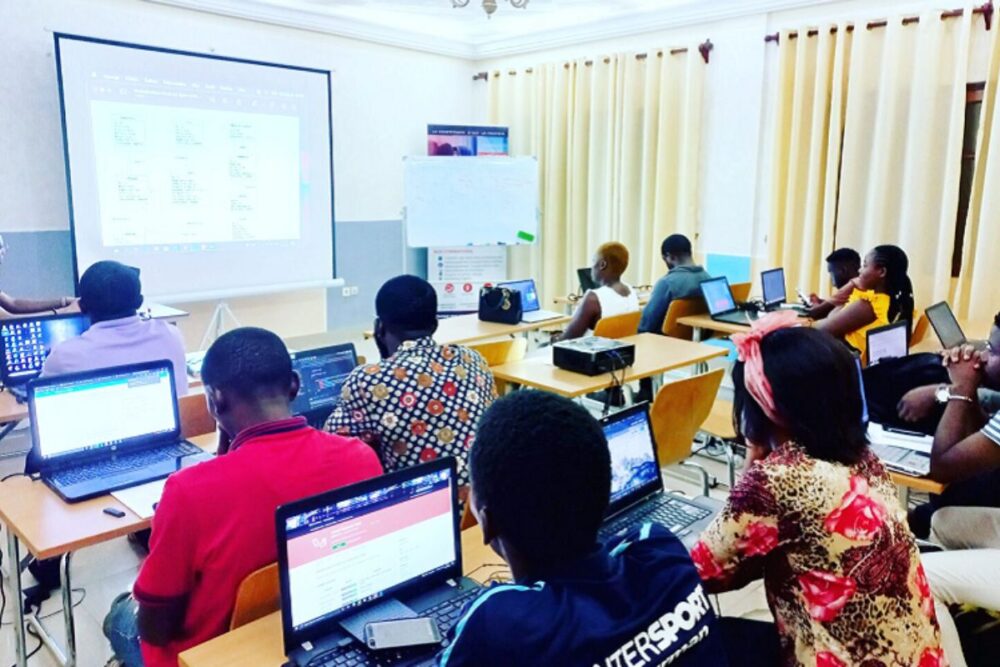
Across Africa, the common thread is a move away from “chalk-and-talk” teaching towards competency-based, multilingual and inclusive curricula. For parents, this means rethinking how to support children’s learning at home. Traditional test preparation may no longer suffice; instead, helping children develop soft skills – communication, teamwork, creativity, becomes more important.
“Education reform is a shared responsibility.”
President John Dramani Mahama (Ghana)
For students, the reforms promise more engaging, relevant lessons and a stronger link between school and life after graduation. However, success will depend on adequate teacher training, classroom resources and clear communication with families during the transition.

Expert Insights: A Continental Perspective
Education specialists from UNESCO point out that curriculum reform alone cannot solve deep-rooted issues such as inequality or infrastructure gaps. But when combined with teacher development, technology integration and investment in school facilities, these reforms can transform outcomes.
Parents and students are encouraged to participate in school meetings, follow official ministry websites and explore online resources such as gpekix.org, nacca.gov.gh and iiep.unesco.org to stay informed about changes and how they affect assessment, university entry and career planning.
Looking Ahead
“From Chalkboards to Competencies” is more than a catchy phrase, it captures the essence of a continent-wide transformation. Whether in Kampala, Accra, Rabat or Algiers, African classrooms are being redesigned for the future. For parents and students, staying engaged and adaptable is key.
As UNESCO specialists note, curriculum reform is not a one-off event but a continuous process. With governments, educators and families working together, Curriculum Reforms Across Africa could equip the next generation with the knowledge, skills and languages needed to thrive in an interconnected world.