Egypt has introduced new rules for international schools covering student transfers, home schooling, school celebrations, enrolment numbers and international certificate accreditation.
The measures come as international schools begin the 2026/27 academic year and are intended to strengthen oversight of schools offering international curricula. Egypt’s international schools started the new academic year on September 6, ahead of government and private schools.
For parents, the changes could affect how students transfer into international schools, how international qualifications are accredited and how some additional fees are handled.
Egypt Tightens International School Transfers
One of the main changes concerns transfers into the secondary stage of international schools.
The Ministry has confirmed that students in the third year of secondary education cannot transfer into international schools from the 2026/27 academic year. The 2026/27 academic year is also the final year in which second-year secondary students can transfer.
From the 2027/28 academic year, transfers into the secondary stage of international schools will be limited to students entering the first year of secondary education.
The Ministry says international secondary programmes follow a cumulative academic pathway that begins in the first secondary year. Therefore, the new rules are intended to ensure students begin the relevant programme at the appropriate stage.
For families considering an international curriculum, the timing of any potential transfer will therefore be particularly important.
Home Schooling Operations Face New Controls
The Ministry has also reaffirmed that home schooling operations are not authorised within Egypt’s education system.
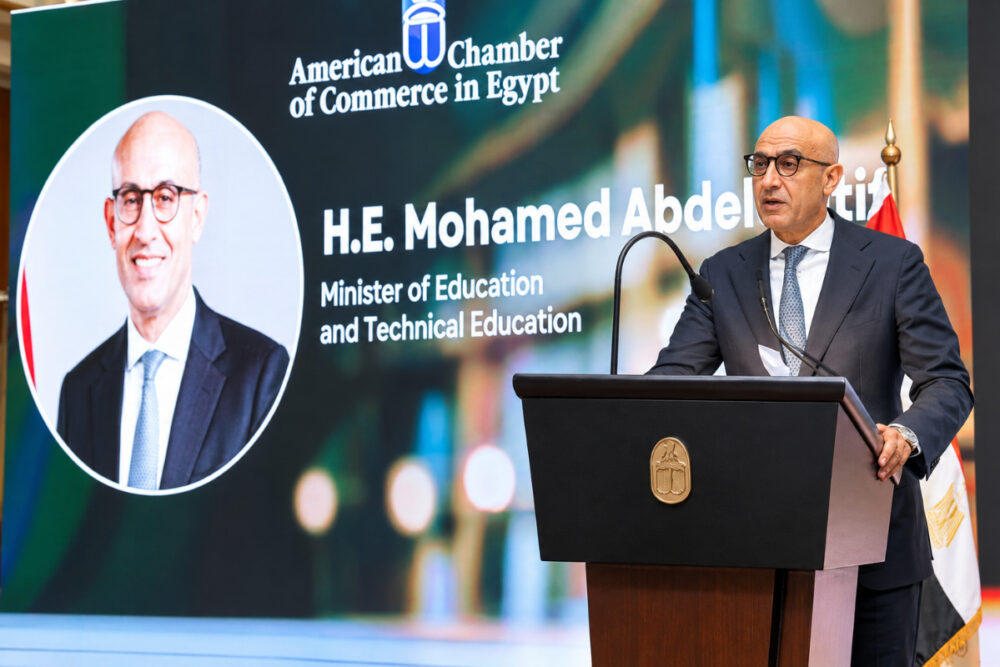
Education Minister Mohamed Abdel Latif said entities operating such schools would face referral to the public prosecution for violating regulations. Inspection committees have also been established to examine international schools and check whether enrolment remains within each school’s licensed capacity.
The Ministry had previously stated that it had not issued any decision or licence authorising a home schooling system in Egypt. It urged families to use recognised educational systems and ensure students attend licensed schools.
This means parents considering alternative education arrangements should check whether the provider and programme have official approval before enrolling a child.
Changes To International Certificate Accreditation
Another significant change concerns the accreditation of international qualifications.
The Ministry has changed the process for American Diploma certificates. Under the revised system, parents are no longer required to pay dollar-denominated fees to a foreign accreditation body for the relevant certification stamp.
The Ministry will handle the accreditation process, and its accreditation is sufficient for admission to Egyptian universities. Recent reporting on the minister’s announcement said previous dollar-denominated accreditation payments had amounted to around USD 10 million.
For parents, this change could reduce an additional accreditation step and associated foreign-currency payment when students seek to use their qualifications for university admission in Egypt.
International Schools Face Closer Oversight
The new measures also strengthen monitoring of international schools.
Inspection committees are being used to check student numbers against the capacity authorised under each school’s licence. The Ministry has also reiterated the need for international schools to comply with approved tuition fee regulations and publish approved fees on their websites.
For school leaders, this places greater emphasis on compliance with enrolment, transfer, accreditation and financial requirements.
Meanwhile, parents can expect more information about approved fees and school arrangements to be available through official channels.
Rules Also Address School Celebrations
The Ministry has said that international schools will not be permitted to hold celebrations for holidays or occasions considered incompatible with Egyptian culture.
The announcement forms part of a wider focus on national identity within international education. In July, the Ministry also highlighted Arabic, religious education and social studies as important components of students’ national and cultural identity.
For international schools, this means cultural and educational policies will need to operate within Egypt’s national regulatory framework.
What The Changes Mean For Parents
The latest measures give families several points to consider when choosing or remaining in an international school.
Parents planning a transfer should check the student’s year group and the applicable academic-year rules. Those considering home-based education should also confirm that the provider operates under an officially recognised system.
Additionally, families with students following international qualifications should understand the revised accreditation process and whether further documentation is required for their intended university pathway.
For schools, the changes reinforce the importance of clear communication with families. Accurate information about transfers, fees, accreditation and approved programmes will be increasingly important as the 2026/27 academic year progresses.
Overall, the new rules represent a broader tightening of oversight across Egypt’s international school sector, with particular attention to student pathways, school capacity, accreditation, fees and compliance.