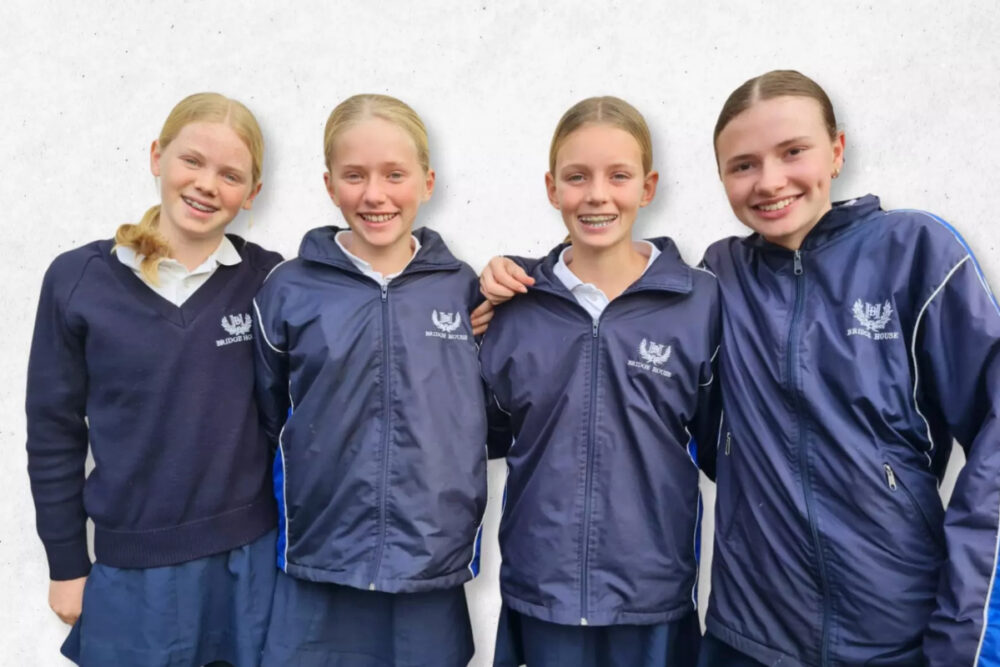
Bridge House students have achieved a strong result at South Africa’s National AI Hackathon, highlighting the growing opportunities for young people to develop technology and problem-solving skills.
A team of four Grade 7 students from Bridge House finished second nationally after competing against 1,400 participants from across the country.
The achievement gives younger students a valuable opportunity to explore artificial intelligence, teamwork and innovation while gaining experience in a competitive national setting.
Bridge House Students Take Second Place
The Bridge House team, named Green Flow, secured second place in South Africa at this year’s National AI Hackathon.
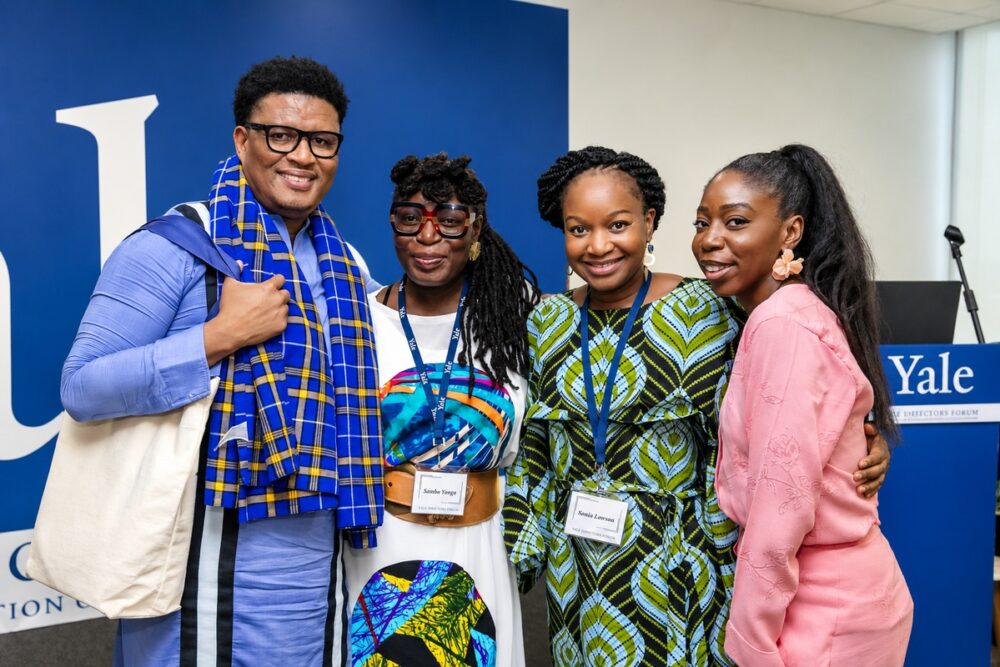
The team included Grade 7 students Cara Sherratt, Vivienne O’Carroll, Alexandra Sommerville and Danielle Ashbury.
Competing alongside 1,400 participants, the students demonstrated their ability to work together and develop a project around technology and sustainability.
For parents and educators, the result also shows how early exposure to technology can encourage students to apply classroom learning to practical challenges.
A Focus On Technology And Sustainability
The Green Flow team’s success reflects the value of giving students opportunities to explore technology beyond traditional classroom activities.
Artificial intelligence competitions can help students develop skills such as problem-solving, collaboration, research and creative thinking.
Moreover, projects that connect technology with environmental themes can encourage students to consider how digital tools could contribute to wider social and environmental challenges.
For schools, these experiences can complement formal learning by allowing students to test ideas, work in teams and learn from the process of developing a project.
Scholarship Creates Further Learning Opportunities
The four students will each receive an Ayoba Developer Programme Scholarship following their achievement.
The scholarship is designed to give the students access to skills, mentorship and knowledge that can support their development in technology.
As a result, the opportunity extends beyond the hackathon itself. The students can continue building their technical understanding while gaining insight into the wider technology industry.
For younger learners, access to this type of programme can also help them understand the range of pathways available within technology and digital careers.
Why Competitions Matter For Students
National competitions provide students with opportunities to demonstrate skills that are increasingly important across education and employment.
These include communication, teamwork, critical thinking and the ability to approach problems creatively.
Furthermore, competitions can help students develop confidence by placing them in situations where they must present ideas and work towards a shared goal.
For educators, events such as the National AI Hackathon can therefore complement classroom teaching. They provide practical settings where students can apply concepts and learn through experience.
The Bridge House result also offers an encouraging example of how younger students can engage with technology at an early stage.
Encouraging The Next Generation Of Technology Learners
The success of Green Flow could inspire other students to explore coding, artificial intelligence, sustainability and digital problem-solving.
Importantly, opportunities such as the Ayoba Developer Programme Scholarship can help students take their interests further after a competition ends.
For schools and parents, the achievement is a reminder that technology education can begin with curiosity and practical experimentation.
The Bridge House team’s second-place finish shows what students can achieve when they are given the opportunity to explore ideas, collaborate and take on meaningful challenges.