Early childhood is an important stage for building curiosity, problem-solving skills and environmental awareness. ReneWable Rangers aims to introduce these ideas through play, storytelling and adventure.
The learning game prototype was developed by Dr Moleboheng Mokhele, an early childhood STEM education researcher at North-West University. Her work explores how children can learn about science and renewable energy through culturally relevant and enjoyable experiences.
The original interview was published by The Conversation Africa and explores how ReneWable Rangers uses play-based learning to introduce young children to renewable energy and sustainability.
Why Is Play Important For Early STEM Learning?
Education has an important role in helping children understand the world around them. Early childhood, from birth to eight years, is a period of rapid cognitive development and growing curiosity.
However, STEM learning in South Africa is often introduced as a standalone subject from Grade 4. This can miss opportunities to build scientific thinking during the early years.
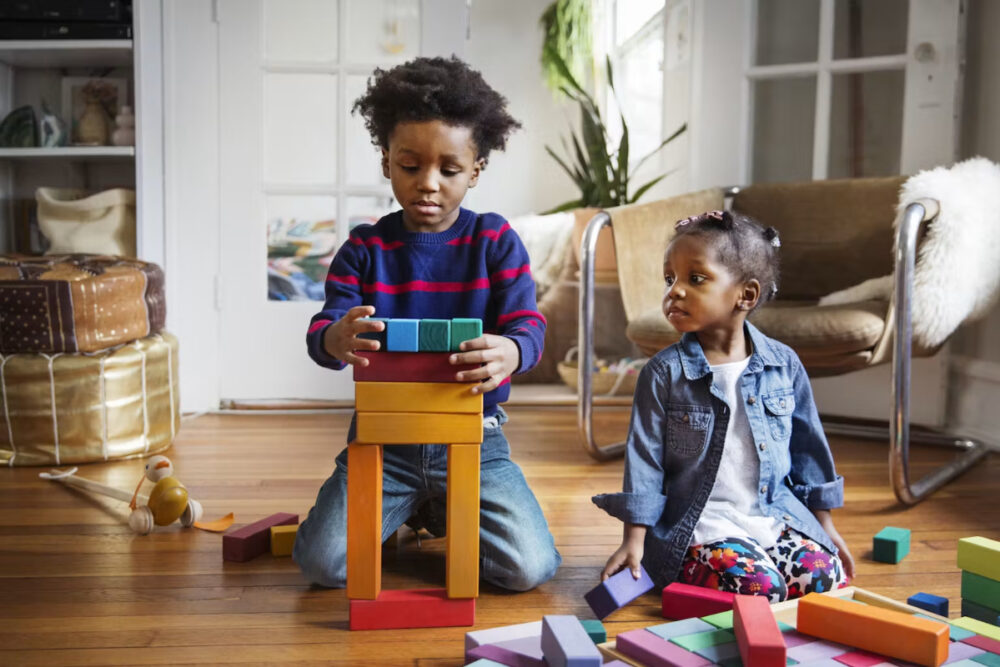
Children can learn more effectively when they are curious, active and involved in the learning process. Therefore, play can provide a natural way to introduce scientific ideas.
ReneWable Rangers combines play, storytelling, guided inquiry, physical activity and visual learning. The approach allows children to explore science rather than simply memorise information.
What Is ReneWable Rangers Designed To Teach?
ReneWable Rangers is a culturally responsive learning game designed for young South African learners.
The game follows Dr Mummy Ranger and her two sons, Wavhudi and Rivhavhudi. Together, they travel across South Africa after a nationwide blackout leaves communities without electricity.
Their journey takes them through different provinces in an eco-friendly Ranger vehicle. Along the way, they explore renewable energy sources while learning about local cultures, languages and communities.
The game introduces children to questions that connect science with everyday experiences.
For example, children learn
- How electricity is made
- What causes power cuts
- How renewable energy sources can be used
The learning happens through stories and hands-on activities. As a result, children can explore scientific ideas in ways that feel connected to their surroundings.
How Does The Game Connect STEM With South African Culture?
Cultural relevance is central to the design of ReneWable Rangers.
Many educational games are developed elsewhere and later adapted for local audiences. ReneWable Rangers takes a different approach by placing South African learners and their communities at the centre of the experience.
As the characters travel across the country, each province becomes part of the learning journey. Children encounter different cultures, languages and ways of life alongside STEM concepts.
This can help children recognise themselves and their communities in what they are learning.
The approach also supports a broader view of STEM education. Science is not presented as something separate from identity, culture or everyday life.
Why Is Renewable Energy Relevant To Young Children?
Energy is part of children’s everyday experiences. They see lights, appliances and electronic devices in their homes and schools. They may also experience what happens when electricity is unavailable.
South Africa has experienced electricity shortages for many years. Although nationwide load shedding has decreased, some communities continue to experience localised outages.
ReneWable Rangers uses this familiar reality as a starting point for scientific exploration.
Instead of presenting renewable energy as an abstract concept, the game gives children a story they can follow. They can explore how different energy sources work and why alternatives to conventional energy matter.
This approach can also help children connect science with environmental responsibility.
How Can The Game Support Parents And Educators?
For educators, ReneWable Rangers offers a possible model for introducing STEM concepts through stories and active learning.
The game can also encourage children to ask questions rather than simply receive information. This supports curiosity, exploration and early problem-solving.
For parents, the approach provides opportunities to continue conversations about energy and the environment beyond the classroom.
For example, families could discuss where electricity comes from, what happens during an outage or how sunlight and wind can produce energy.
Therefore, the learning experience can extend into everyday family life.
What Makes ReneWable Rangers Different From Other Educational Games?
ReneWable Rangers is currently a carefully designed prototype. Its approach brings together cultural responsiveness, sustainability, self-directed learning and play-based pedagogy.
Its creators did not treat cultural relevance as an additional feature. Instead, it forms part of the game’s foundation.
The characters, setting and journey reflect South African experiences. This can make the learning experience more familiar and meaningful for children.
The game also goes beyond technical STEM knowledge. It encourages children to think about their communities, environment, identity and responsibilities.
ReneWable Rangers is more than a game. It’s an invitation to rethink what children are capable of and what kind of future we want to prepare them for.
What Happens Next For ReneWable Rangers?
The next stage is testing the prototype in real educational settings.
A strong conceptual design needs evidence from classrooms. Therefore, researchers need to observe how children interact with the game and assess what they learn from it.
The researchers can then examine children’s understanding, confidence and curiosity. This could provide valuable evidence about the potential of culturally responsive game-based STEM education.
The research paper introducing the model was published in Cogent Education in March 2026. It describes ReneWable Rangers as a culturally rooted digital game designed for children aged five to six in South Africa’s Grade R.
For Africa’s education sector, the project raises an important question. How can early STEM education reflect children’s communities while preparing them to understand global challenges?
ReneWable Rangers offers one possible answer by bringing science, sustainability, culture and play into the same learning experience.