Hidden in the Drakensberg mountains of KwaZulu-Natal, the Drakensberg Boys Choir School offers an unusual education model. The private school combines academics, choral music, sport and boarding for boys in Grades 4 to 9.
The Drakensberg Boys Choir School is based near Winterton, at the foot of the Central Drakensberg range. It typically enrols about 120 boys and has built its identity around choral music.
For parents considering specialist education, the school offers a distinctive model. Boys must demonstrate musical ability before joining, while academics remain a core part of school life.
Drakensberg Boys Choir School Has A Unique Admissions Model
The Drakensberg Boys Choir School was founded in 1967 by choirmaster John Tungay. The school initially enrolled 60 boys and grew from the Tungay family’s vision of combining music with education. The family later sold the school and its estate to a board of directors in 1981.
Today, the school remains closely linked to its musical roots. Its mission is to prepare boys for life and leadership through music, academics, sport and social enrichment.
Importantly, singing is not an optional extra. Boys seeking admission must first complete a voice audition.
The current admissions process also includes an academic assessment. The school says prospective pupils need to be above average academically to manage its demanding programme. Parents and their sons also take part in an online interview with the headmaster and Director of Music.
For families, this means the school is not simply a traditional private school with a strong choir. Music forms part of the entry requirements and the everyday learning experience.
A School Designed Around Grades 4 To 9
The school has a focused age range, educating boys from Grades 4 to 9. This gives the institution a different structure from many South African schools that cater for a wider range of ages.
The school follows a CAPS-aligned curriculum adapted to meet its pupils’ needs. Subjects include English, Afrikaans or isiZulu, Mathematics, Natural Sciences, Social Sciences, Computer Literacy and Life Skills.
Meanwhile, Grades 7 to 9 also study Economic and Management Sciences.
The academic programme includes formally assessed subjects, tests and examinations. Music subjects also contribute to the term academic average.
The school also places importance on skills-based learning. This supports pupils’ physical, emotional and creative development alongside their academic progress.
Why Boarding Is A Major Part Of School Life
The school’s location in the Champagne Valley makes boarding an important part of the experience.
The campus sits in a rural mountain setting near Winterton. While day pupils can attend, the school’s boarding environment allows pupils to take part fully in its demanding daily programme.
Boarding also supports the school’s distinctive combination of lessons, choir rehearsals, sport and social activities.
For parents, this is an important consideration. The school is not simply offering a specialist music programme during school hours. Choral training and other activities form part of a broader residential experience.
The Drakensberg Boys Choir Takes Music Beyond The Classroom
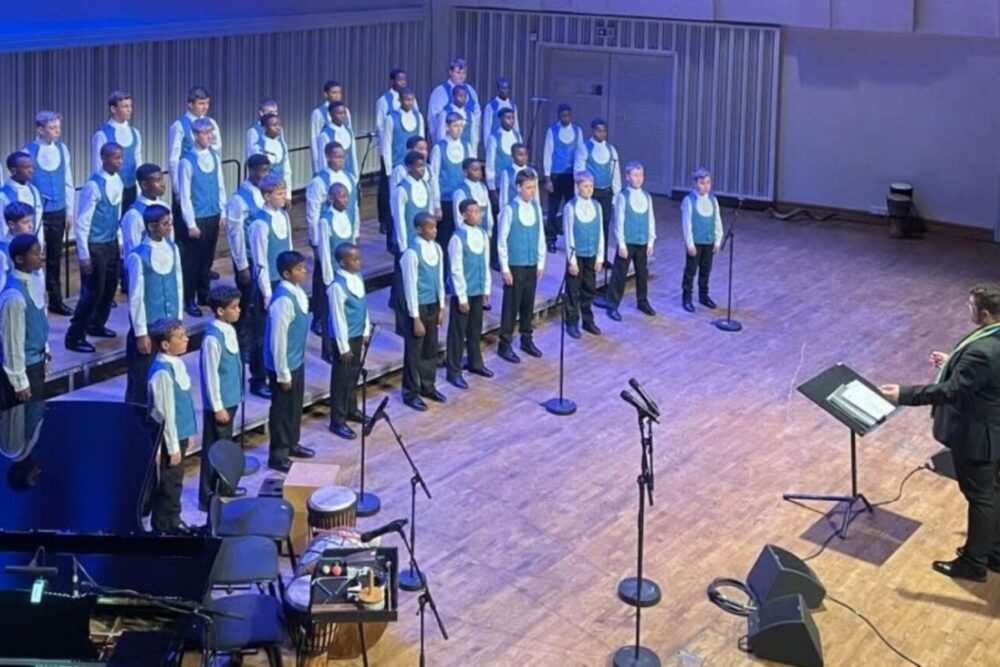
The Drakensberg Boys Choir is central to the school’s identity. Its performances have helped establish an international reputation, while its repertoire spans different musical traditions and genres.
The school describes music as its ministry and says its mission is to prepare boys for life and leadership through excellence in music, academics, sport and social enrichment.
The choir performs at concerts and events in South Africa and overseas. Its international work also gives pupils opportunities to perform for audiences beyond their local community.
The school’s head of choral activity, Jacques Linde, said it is a unique institution, and noted that it is the only school in Africa which incorporates choral singing into its everyday routine.
The school also hosts concerts at its campus and continues to take its travelling ensemble to major South African cities.
For pupils, these opportunities provide practical experience that goes well beyond classroom music lessons. They must perform, collaborate, rehearse and represent their school in front of different audiences.
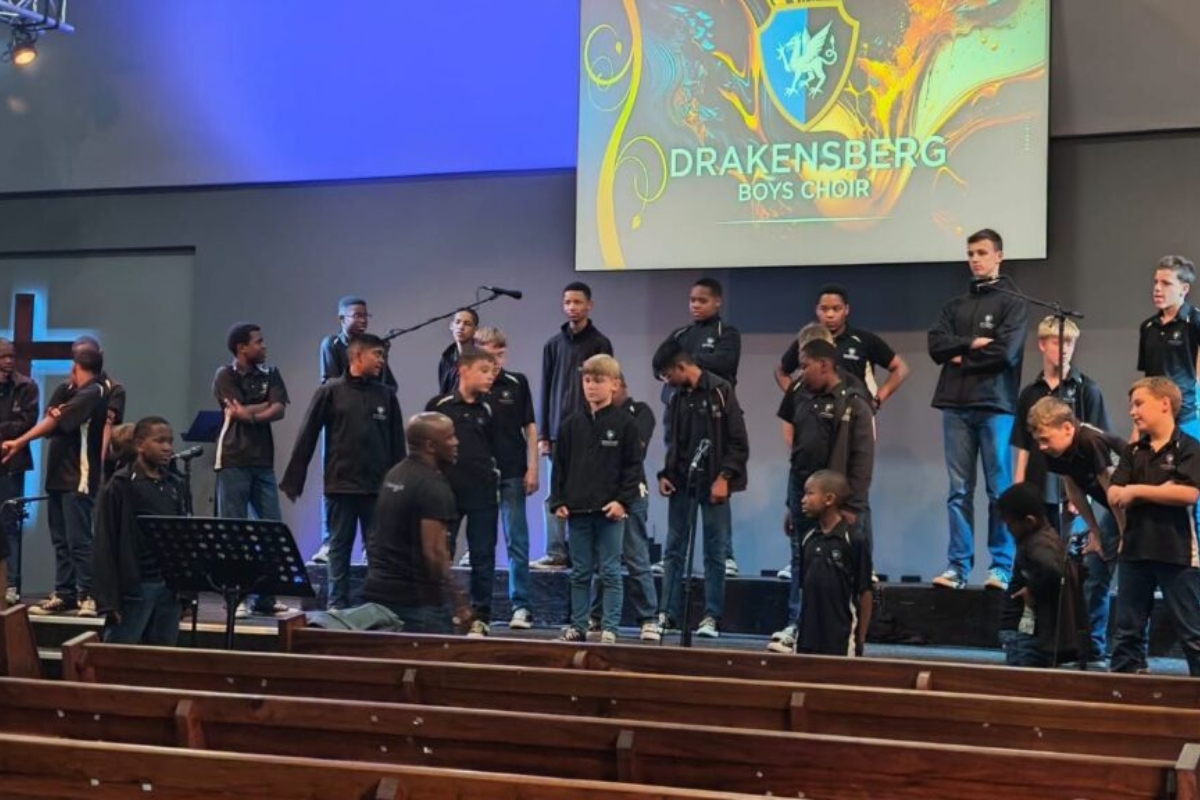 Pupils develop their musical skills through regular rehearsals and performances
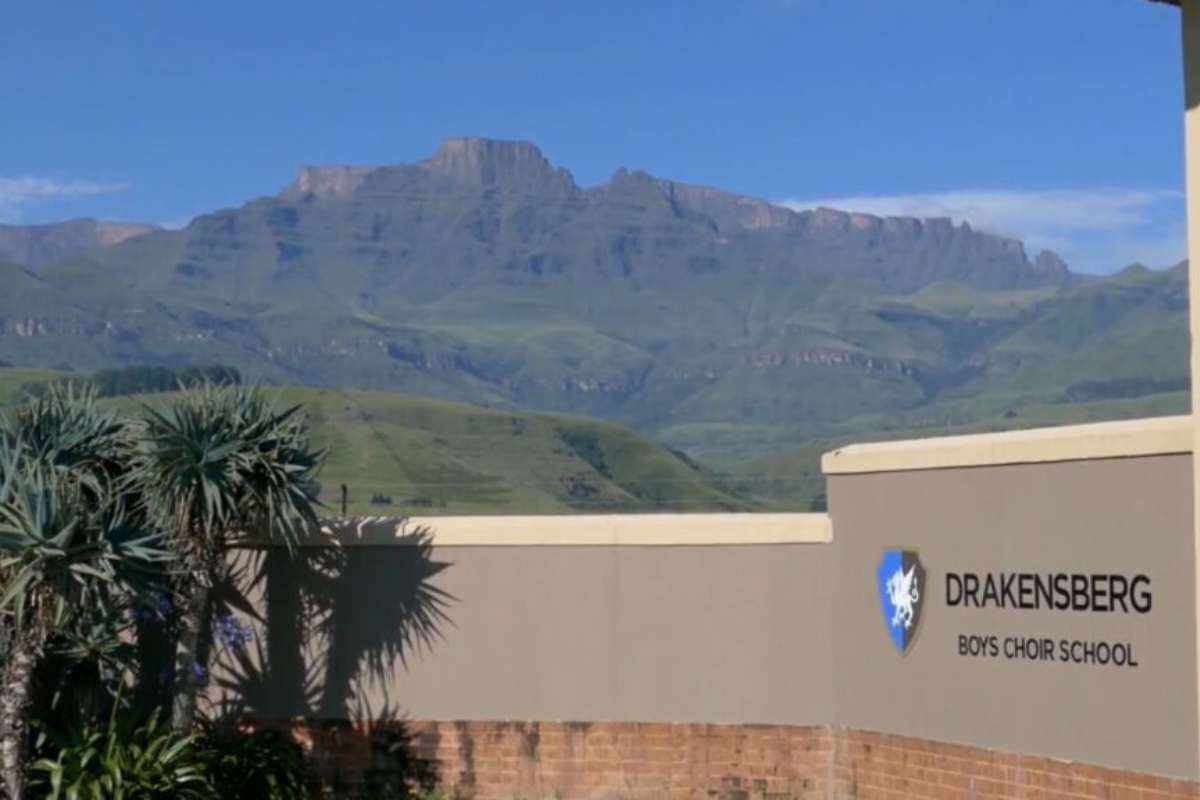 The Drakensberg Boys Choir School building at the foot of the Drakensberg mountains
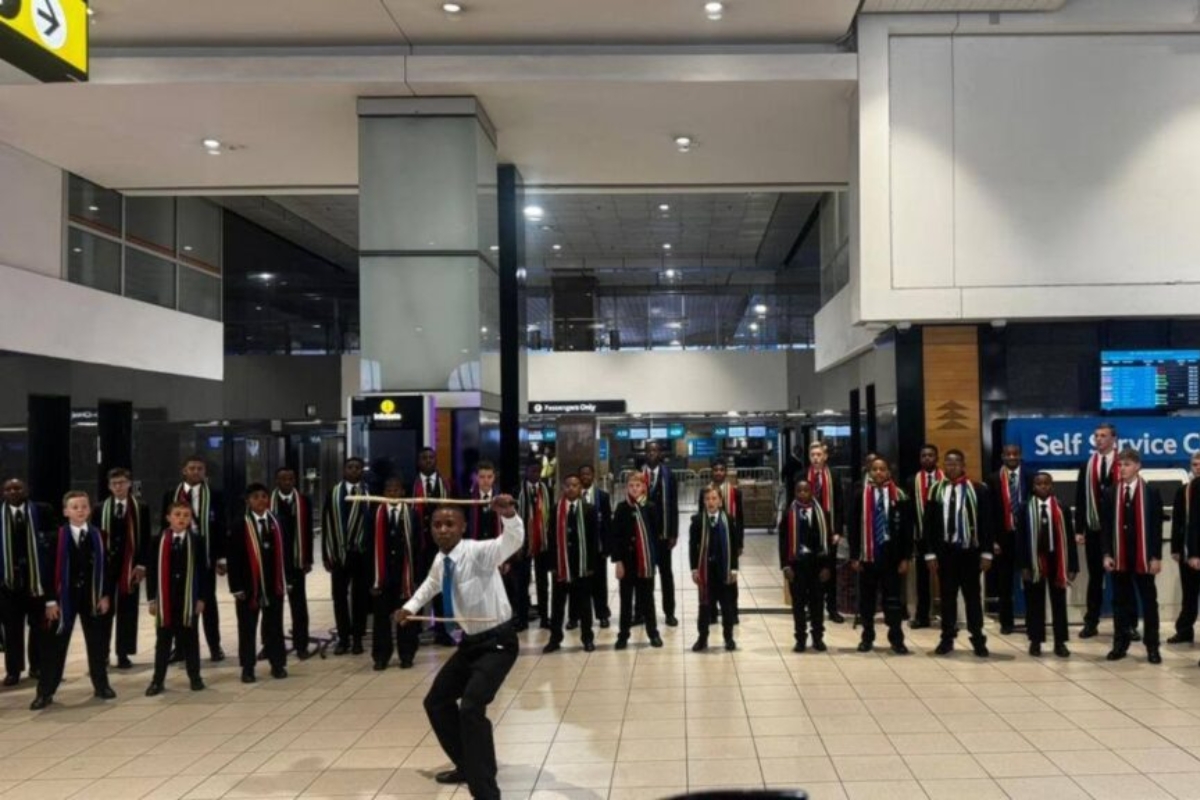 Choir members perform together, reflecting the school’s strong focus on choral education
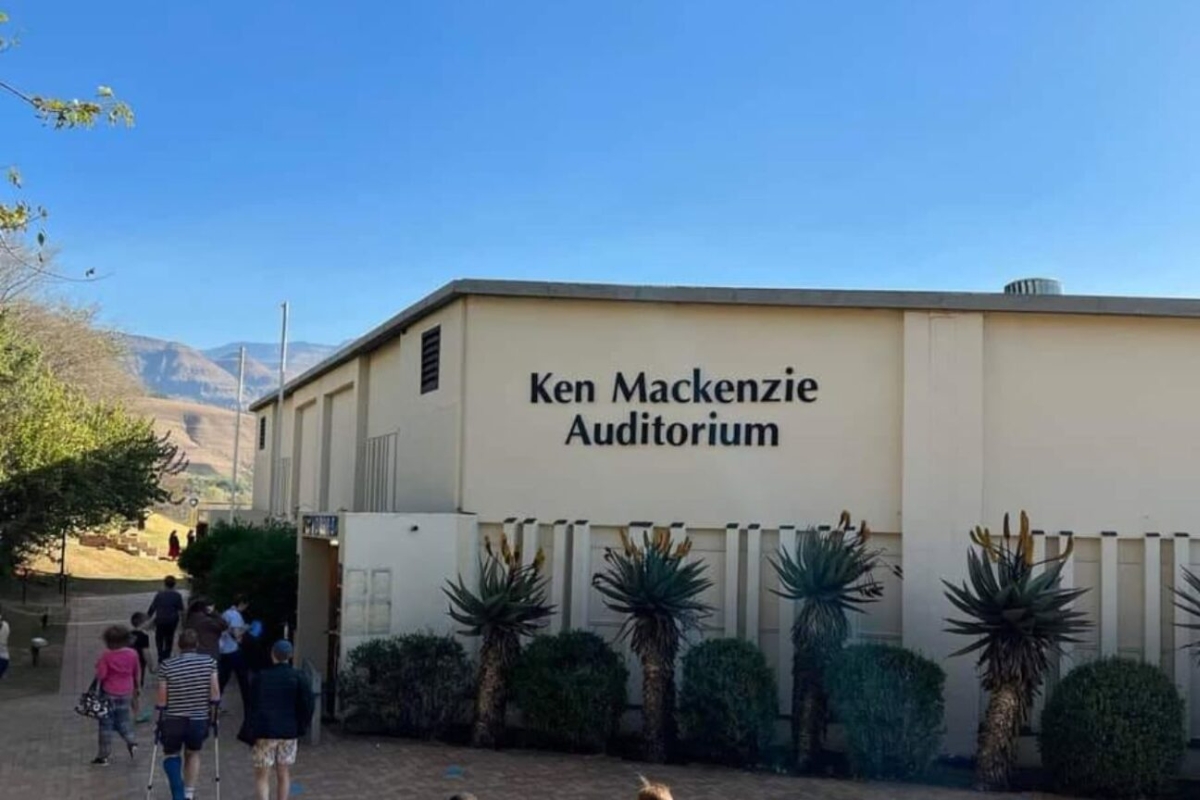 The school campus provides a scenic setting for learning, music and boarding
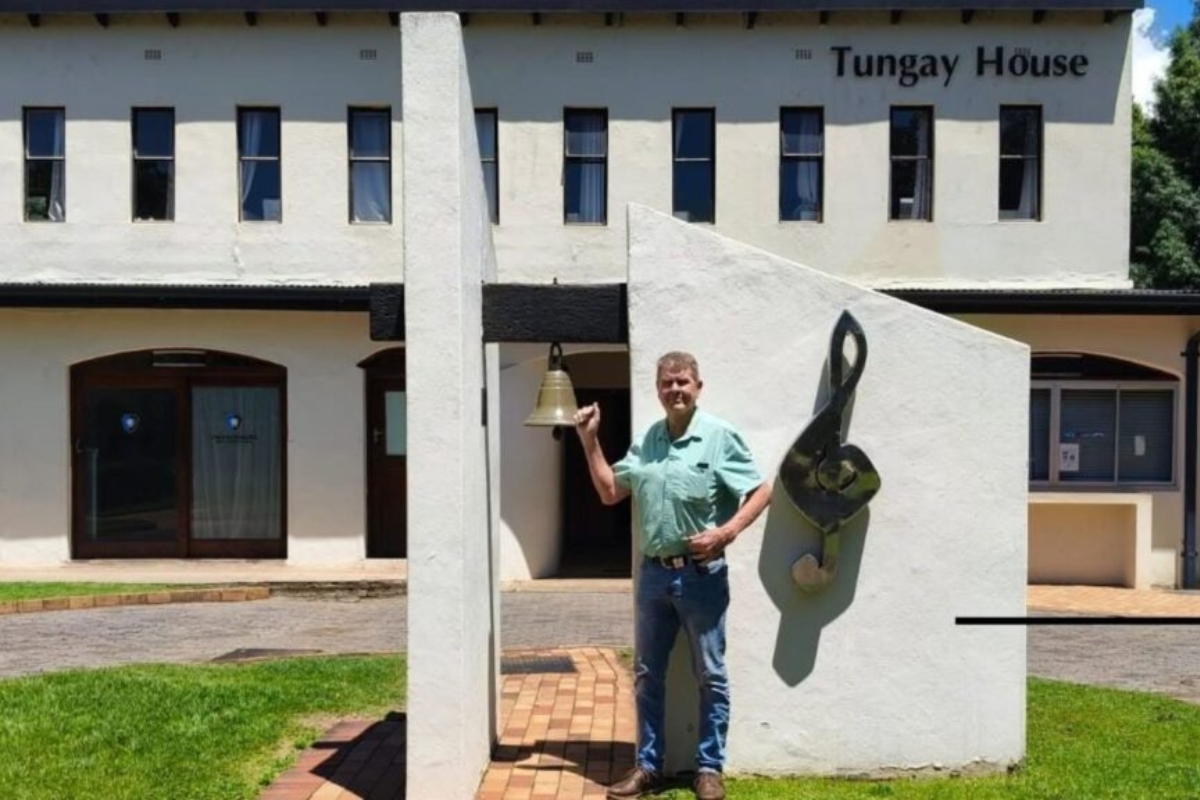 Drakensberg Boys Choir School campus in Winterton, KwaZulu-Natal
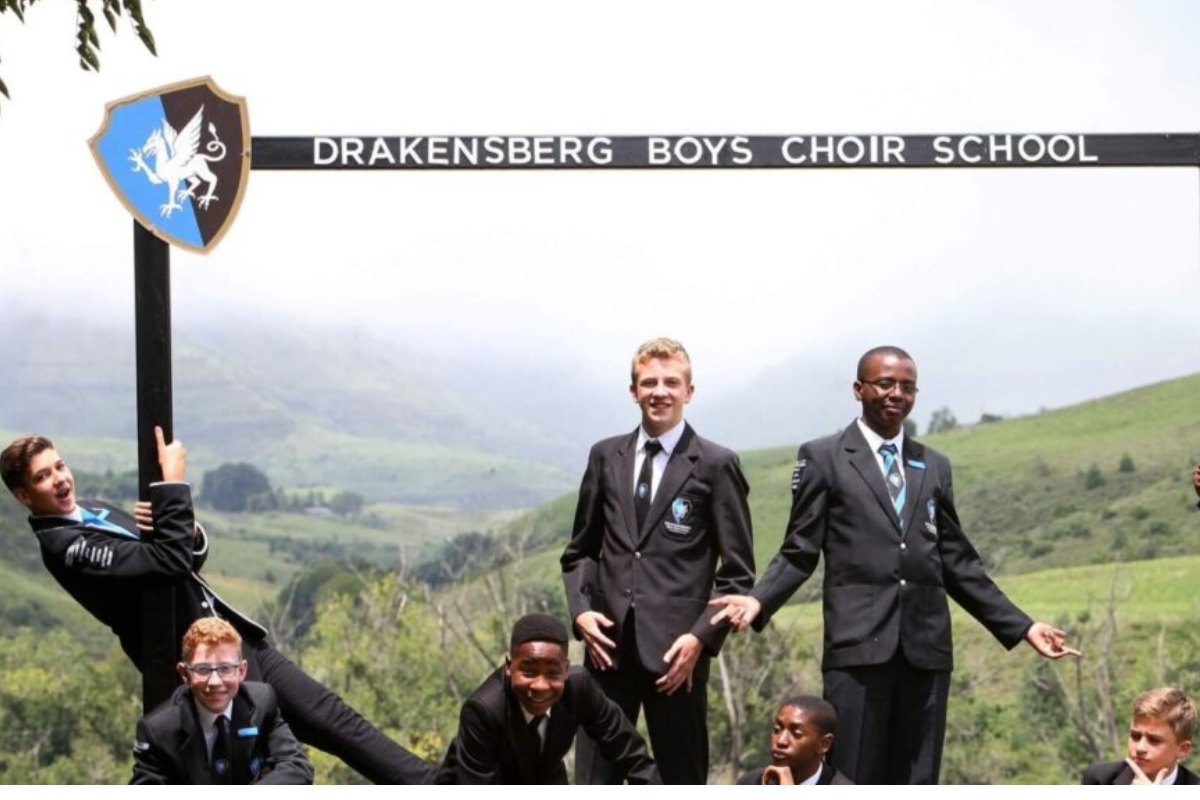 The Drakensberg Boys Choir School combines choral music, academics, sport and boarding in KwaZulu-Natal
Academics Remain At The Centre Of The School Experience
Although music is the school’s defining feature, academic achievement remains a major priority.
The school says it has a dedicated academic team and one class per grade. Its curriculum is designed around the needs of its pupils, with music integrated into the academic programme.
The school also says its pupils regularly win scholarships and are sought after by high-calibre schools after leaving.
This balance is important for families considering specialist schools. A pupil does not have to choose between musical development and academic preparation.
Instead, the model brings both together within a structured school day.
Sport And Outdoor Activities Add Another Dimension
The school also offers a broad sports programme. Activities include swimming, tennis, cricket, football, rugby, cross-country, mountain biking and volleyball.
In addition, pupils can take part in outdoor and adventure activities. The mountain setting provides opportunities for activities that are less common in traditional school programmes.
The school encourages both individual and team participation. This helps pupils develop physical fitness while learning about teamwork, discipline and competition.
What Parents Can Learn From The Drakensberg Model
The Drakensberg Boys Choir School offers an interesting example of how a specialist interest can shape an entire education model.
For parents, the school demonstrates that specialist education does not necessarily mean narrowing a child’s opportunities. Its programme combines music with academics, sport, boarding and outdoor experiences.
For educators and school leaders, it also provides an example of how a strong institutional identity can connect different parts of school life.
Most importantly, the model is built around active participation. Pupils do not simply study music. They rehearse, perform and travel as part of their education.
Ultimately, the school’s approach may appeal to families looking for an environment where musical ability, academic development and personal growth are closely connected.