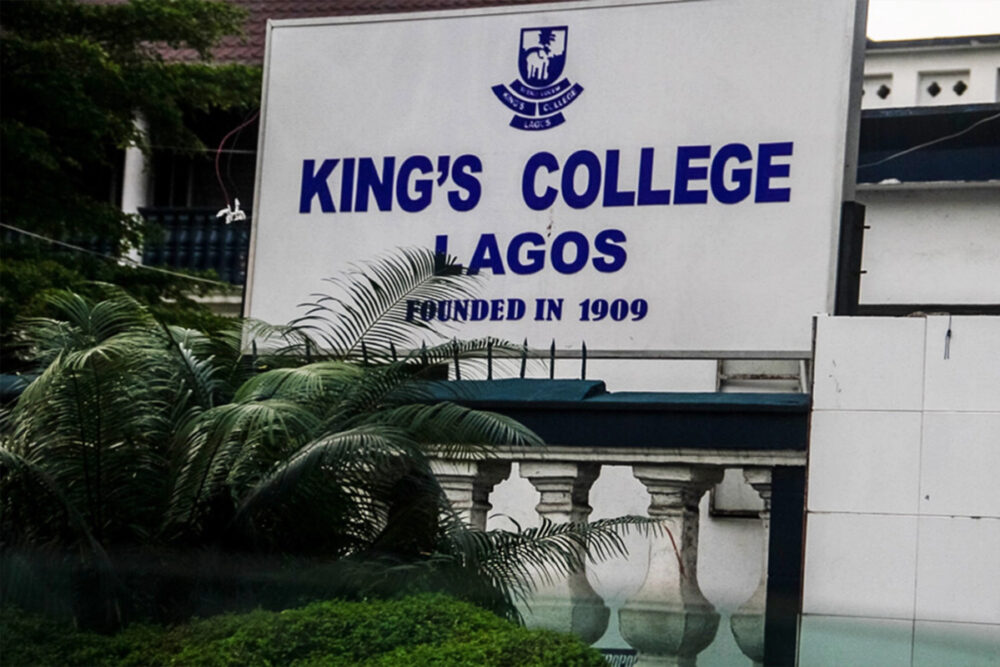

Africa’s medical universities are gaining global recognition for their expanding research output, according to the latest 2026 rankings from the Boston Institute for Global Rankings (BIGR).
The report highlights universities that are not only producing more medical research but are also accelerating their research performance. For students considering medicine, educators, university leaders and researchers, the findings demonstrate the growing influence of African institutions in global healthcare and biomedical science.
Using BIGR’s Exponentially Weighted Growth Index (EWGI), the study measured research momentum by analysing PubMed-indexed publications produced between 2000 and 2024. The methodology gives greater weight to recent research, providing a clearer picture of institutions that are rapidly advancing.
Only 108 Universities Met the Research Benchmark
BIGR identified 108 medical universities across 25 African countries that met its inclusion threshold of at least 500 PubMed-indexed publications during the study period.
The report notes that this relatively small number reflects decades of underinvestment in research infrastructure rather than a lack of scientific potential. Africa accounts for around 17% of the world’s population and carries approximately 25% of the global disease burden, making the growth of its medical universities increasingly significant.
Top 10 Fastest Growing Medical Universities
The leading institutions for research growth in 2026 are,
- University of Cape Coast School of Medical Sciences, Ghana
- Al-Azhar University, Egypt
- College of Human Medicine, Benha University, Egypt
- Faculty of Medicine, South Valley University, Egypt
- Menoufia University Faculty of Medicine, Egypt
- Mbarara University of Science and Technology Faculty of Medicine, Uganda
- Tanta University Faculty of Medicine, Egypt
- Addis Ababa University College of Health Sciences School of Medicine, Ethiopia
- University of Gezira Faculty of Medicine, Sudan
- Misr University for Science and Technology College of Medicine, Egypt
Egypt dominated the top 10 with six institutions, while Ghana, Uganda, Ethiopia and Sudan also secured places among Africa’s fastest-growing medical schools.
Spotlight on the Top Five Universities
University of Cape Coast School of Medical Sciences, Ghana
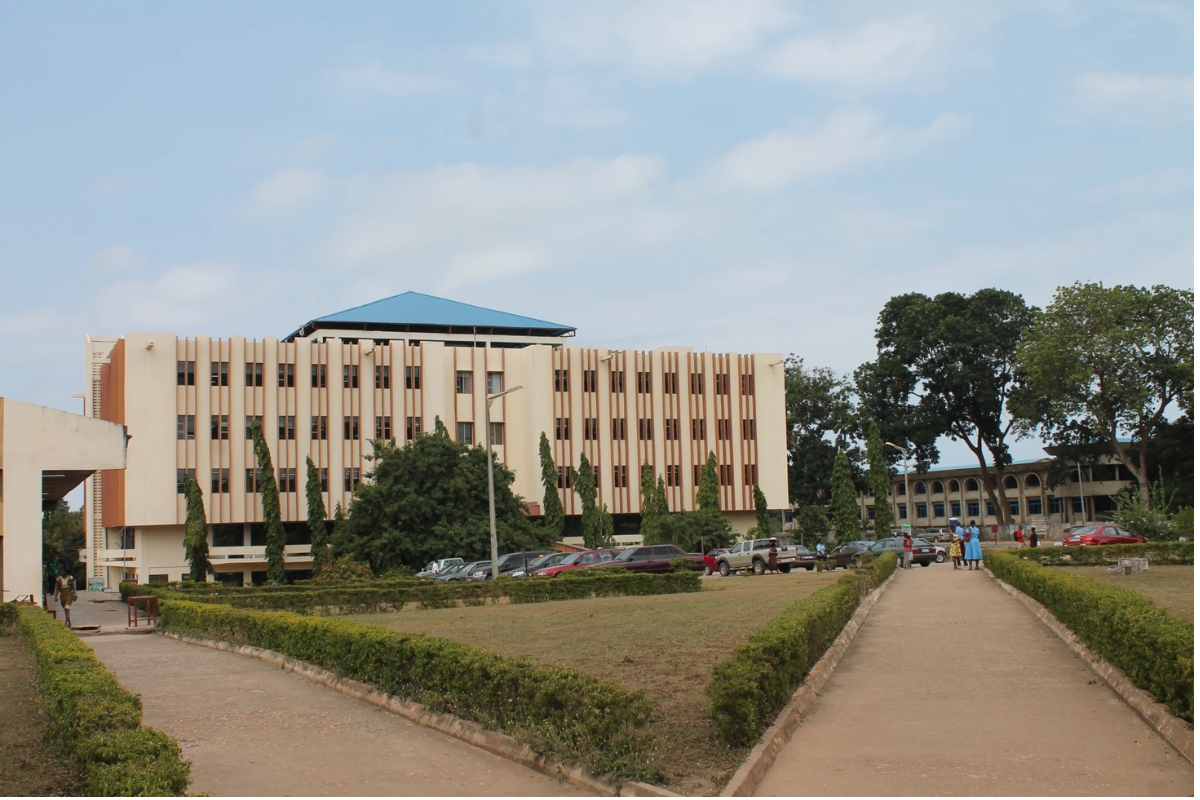
Ranked first with an EWGI score of 226.7%, the University of Cape Coast School of Medical Sciences is one of Africa’s youngest medical schools, having welcomed its first medical graduates in 2013. Despite its relatively recent establishment, it has rapidly built an internationally recognised research profile in community medicine, infectious diseases and maternal health, making it the continent’s fastest-growing medical research institution.
Al-Azhar University, Egypt

Founded in 970 AD, Al-Azhar University is one of the world’s oldest continuously operating universities. Its Faculty of Medicine has strengthened research in surgery, internal medicine and Islamic bioethics. The report highlights a sharp increase in research output since 2012, reflecting Egypt’s wider investment in medical research.
College of Human Medicine, Benha University, Egypt

Benha University’s College of Human Medicine ranked third after demonstrating sustained growth in clinical medicine, surgery and public health research. Located in the Nile Delta, the university has become one of Egypt’s strongest emerging medical research centres outside Cairo.
Faculty of Medicine, South Valley University, Egypt
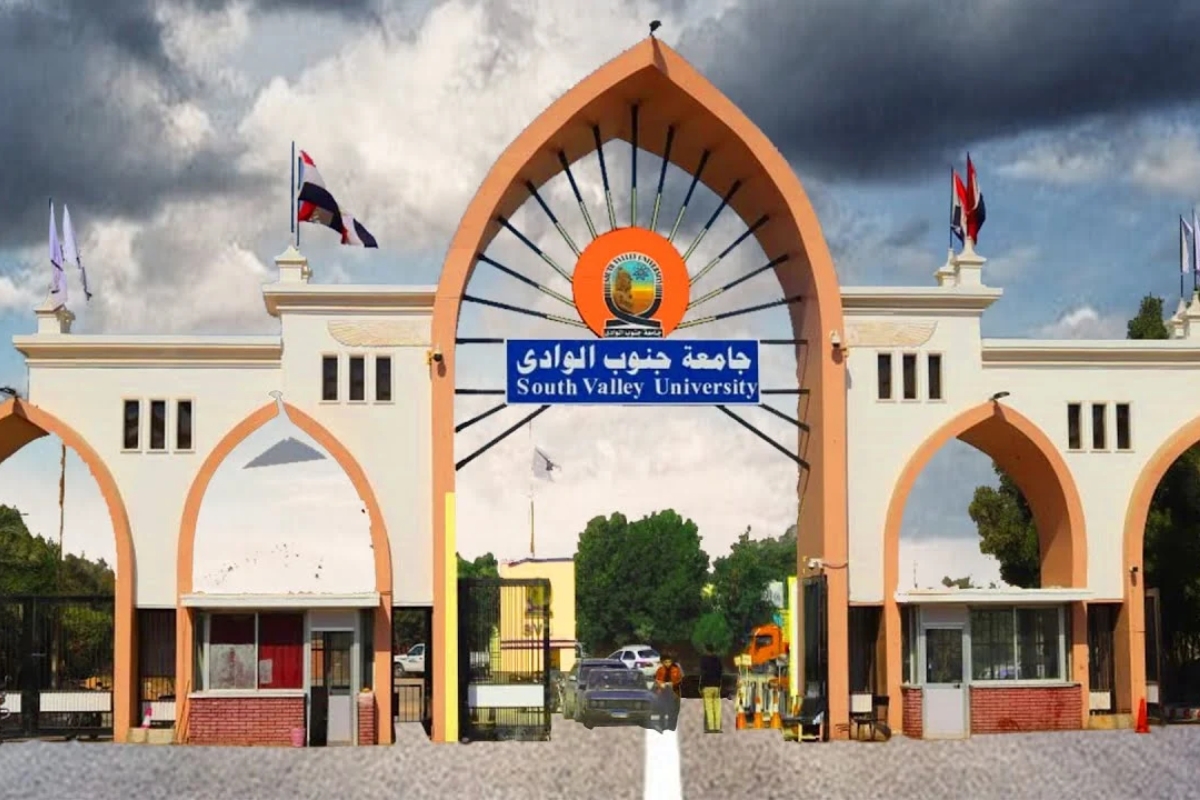
Based in Qena, South Valley University has built its research around regional health priorities, including parasitic diseases, maternal health, cardiovascular conditions and nutrition. Its rapid growth reflects the increasing strength of medical research beyond Egypt’s largest cities.
Menoufia University Faculty of Medicine, Egypt

Established in 1976, Menoufia University Faculty of Medicine has expanded its research capacity significantly, particularly through its National Institute of Liver Diseases. The university has become one of Egypt’s leading regional medical schools, with research focused on liver disease, public health and clinical medicine.
Key Trends Shaping African Medical Research
The report identifies five major drivers behind Africa’s growing research momentum.
Egypt continues to lead through sustained government investment, expanding international collaborations and strong publication cultures across its universities.
Meanwhile, East African universities in Uganda, Kenya and Ethiopia are strengthening research in infectious diseases, tropical medicine and maternal health.
Ghana has emerged as another success story, with four universities appearing in the rankings, led by the University of Cape Coast.
South Africa remains the continent’s research powerhouse by overall publication volume, while international partnerships with organisations such as the Wellcome Trust, the Gates Foundation and the African Academy of Sciences continue to accelerate research across many countries.
Africa’s Most Prolific Medical Research Universities
Alongside the growth rankings, BIGR also identified the universities with the highest total medical research output between 2000 and 2024.
The top five are,
- Cairo University Faculty of Medicine, Egypt
- University of Cape Town Faculty of Health Sciences, South Africa
- University of the Witwatersrand Faculty of Health Sciences, South Africa
- University of KwaZulu-Natal College of Health Sciences, South Africa
- University of Pretoria School of Medicine, South Africa
Cairo University leads Africa with more than 31,700 PubMed-indexed publications and counts world-renowned heart surgeon Sir Magdi Yacoub among its alumni.
The University of Cape Town is internationally recognised for its connection to the world’s first successful human heart transplant, performed by Dr Christiaan Barnard at Groote Schuur Hospital in 1967.
The University of the Witwatersrand has made major contributions to HIV/AIDS, genetics and public health research and counts Nobel Prize winner Sydney Brenner among its alumni.
The University of KwaZulu-Natal has become a leading centre for infectious disease, HIV and tuberculosis research, while the University of Pretoria continues to strengthen research across clinical medicine, health sciences and biomedical innovation.
The Bigger Picture for African Medical Research
The BIGR report suggests that the ranking is about more than identifying the continent’s leading medical universities. It also highlights both the challenges and opportunities facing African medical research.
Only 108 universities across Africa met the study’s benchmark of at least 500 PubMed-indexed publications between 2000 and 2024. Considering Africa accounts for around 17% of the world’s population and carries approximately 25% of the global disease burden, the report says this reflects decades of underinvestment in research infrastructure, limited funding and the continuing impact of brain drain.
Egypt and South Africa account for nearly half of the qualifying institutions, demonstrating the strength of their long-established research ecosystems. However, one of the report’s most encouraging findings is that research momentum is becoming more geographically diverse.
Universities in Ghana, Uganda, Ethiopia, Kenya, Sudan, Zambia, Namibia, Rwanda and Mozambique are steadily increasing their research output and international visibility. According to BIGR, institutions with strong international partnerships consistently achieve higher research growth, highlighting the value of global collaboration alongside national investment.
The report also points to a growing network of partnerships with organisations such as the Wellcome Trust, the Gates Foundation, the African Academy of Sciences and other global health initiatives as important drivers of research capacity across the continent.
Although many African medical schools have yet to reach BIGR’s publication threshold, the report argues that this is an investment challenge rather than a scientific one. Strengthening research infrastructure, supporting academic talent and expanding international collaboration could help many more institutions emerge as research leaders in the years ahead.
Ultimately, the rankings show that Africa’s medical research story is still unfolding. While established universities continue to lead in overall output, newer institutions across the continent are demonstrating that sustained investment, collaboration and academic ambition can rapidly transform medical education and research.