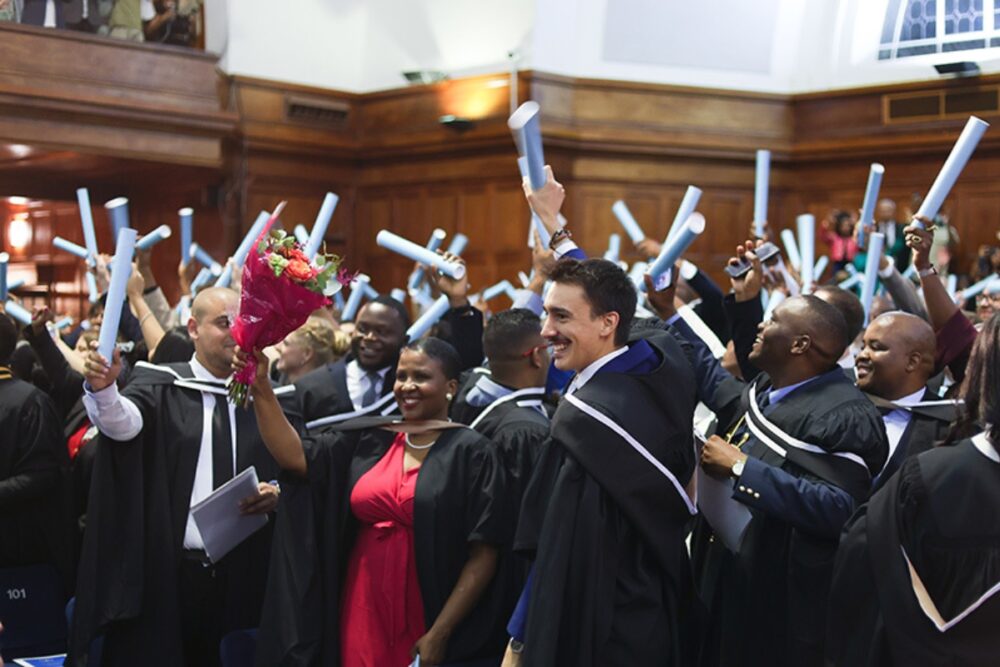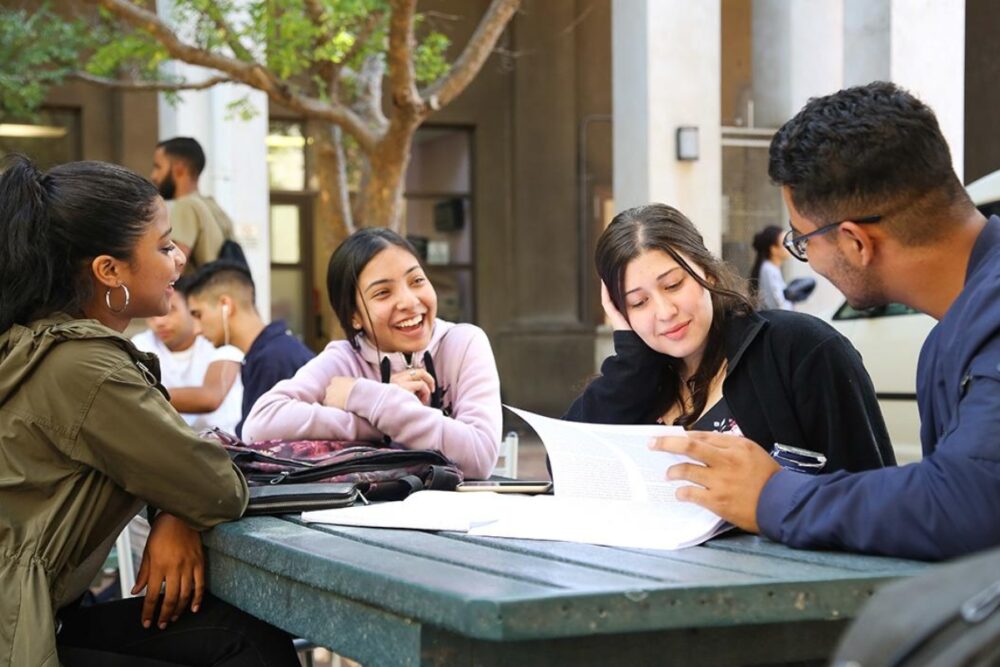
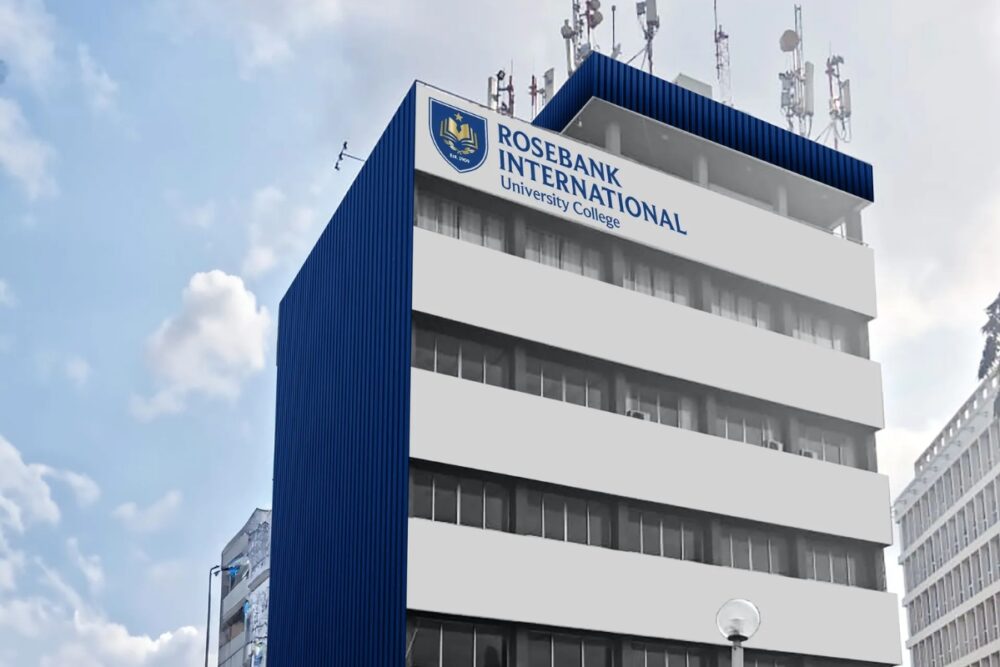
The landscape of tertiary learning is shifting towards cross-border partnerships and career-focused degrees. Notably, Rosebank International University College (RIUC) has officially welcomed its inaugural cohort of students to its modern campus in Accra, Ghana.
This milestone reflects significant global higher education trends, where private providers expand access to high-demand qualifications across emerging markets.
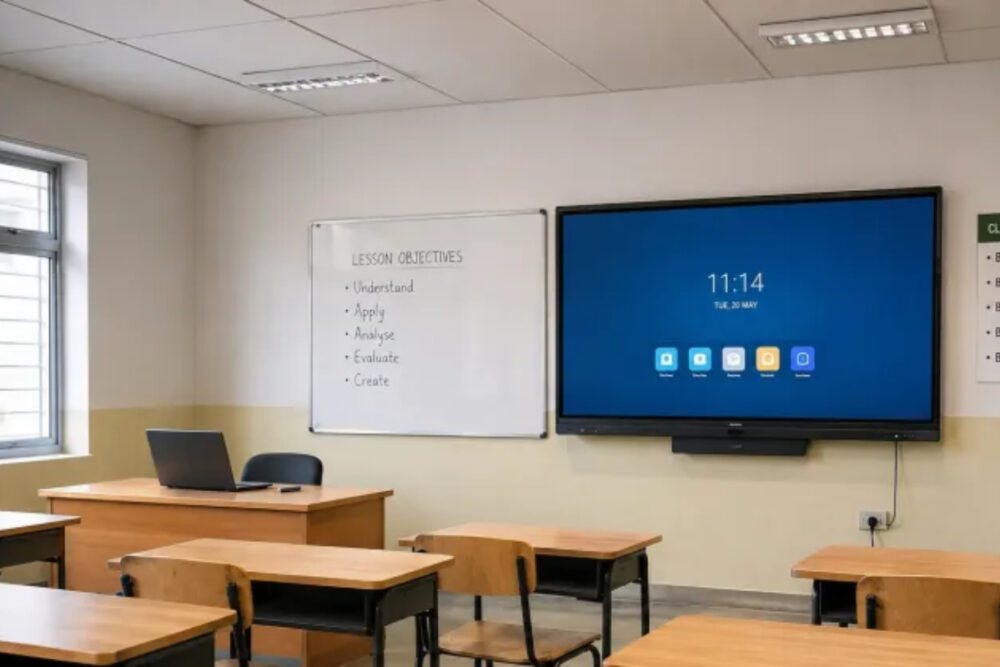
The institution was launched last year by the ADvTECH Group, a leading private education provider on the African continent. Hundreds of exceptional first-time students commenced their studies after a highly selective admissions process. For school leaders and parents tracking international pathways, this opening highlights how modern institutions design spaces to prepare students for an evolving global workforce.
Preparing Pioneering Students for the Global Workforce
The university college aims to blend regional leadership with international academic standards to give its learners a distinct advantage. Dr Linda Meyer, President of Rosebank International University College, and MD at The IIE’s Rosebank College and Waterfall School of Business (WSB) said,
“Today marks an historic step as we welcome our pioneering inaugural cohort.”
Dr Linda Meyer explained that the institution delivers inclusive and innovative education by drawing on its accreditations, global partnerships, and state funding support. This approach prepares students for success in modern industry while anchoring excellence in local leadership. Furthermore, she noted that as these pioneering students stepped onto the modern Accra campus for the 2026 academic year, they marked a major milestone for higher education in Ghana. Ultimately, she added that the university positions these learners to become future leaders and global professionals who will drive meaningful progress both locally and internationally.
Connecting Local Qualifications with Global Higher Education Trends
To ensure immediate relevance after graduation, the university offers targeted degrees across several essential business and technology sectors. For example, the current prospectus includes options such as the Bachelor of Computer and Information Sciences and the Bachelor of Commerce in Supply Chain Management. Students can also enrol in hospitality management, application development, business systems, or digital retail entrepreneurship.
Furthermore, international mobility remains a top priority for families choosing higher education pathways today. The institution secures this through strategic institutional alliances with regulatory bodies, honour societies, and culinary networks. Dr Meyer says,
“Our new students can look forward to international exchange programmes, immersive study abroad opportunities, and access to globally recognized qualifications.”
Ultimately, these offerings mirror broader global higher education trends that prioritise practical skills and international experience. By connecting corporate expertise with flexible learning models, the institution establishes a useful benchmark for educational stakeholders managing student transitions into global markets.