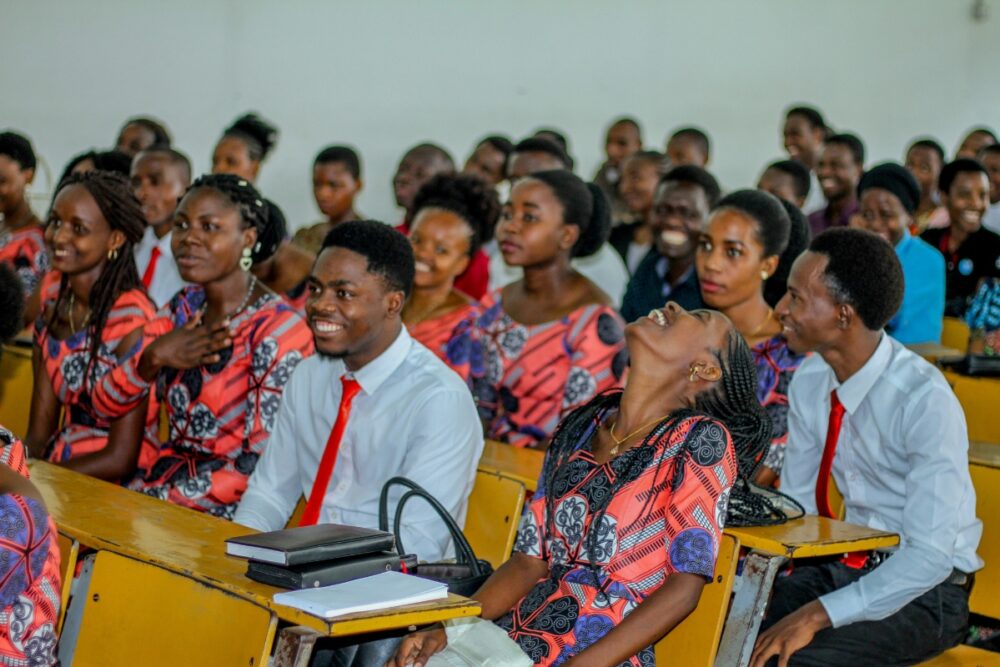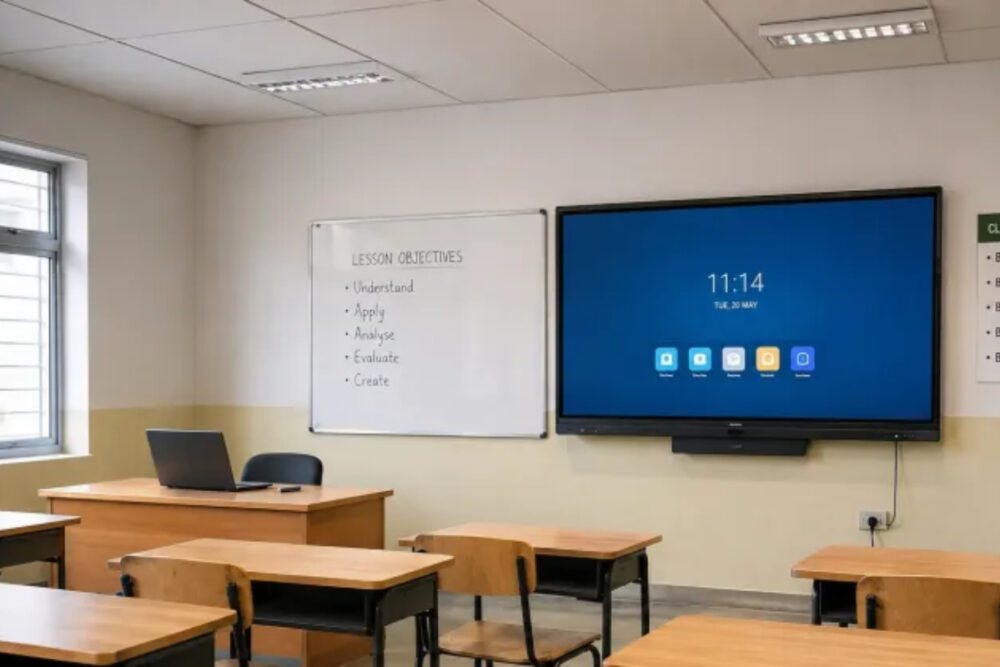
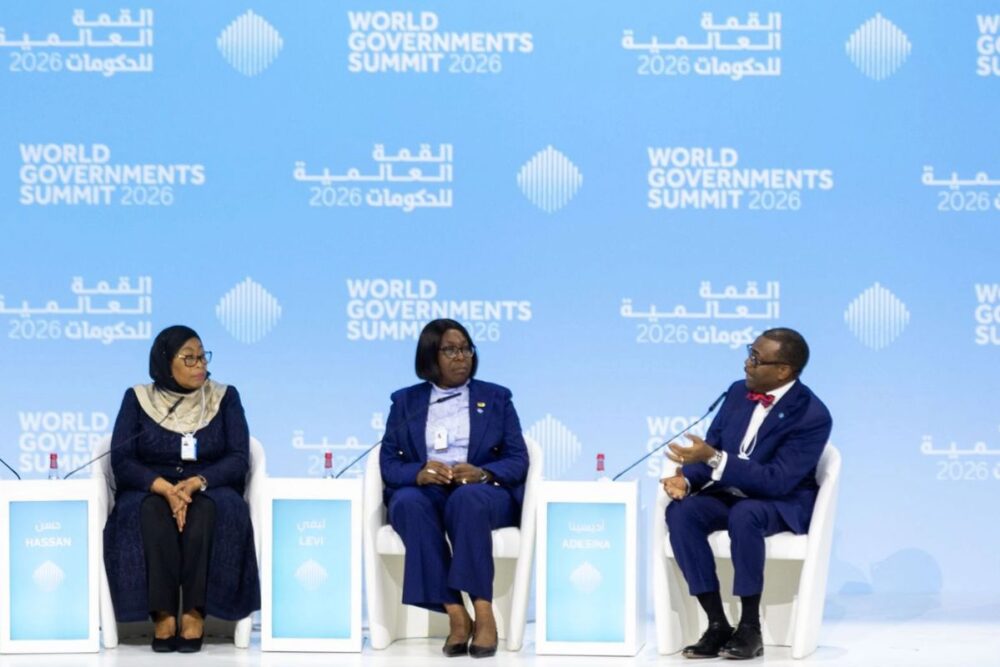
Education has emerged as a key driver of Africa’s transformation, according to discussions held at the World Government Summit in Dubai. The issue has gained increasing urgency as demographic projections indicate that by 2050, nearly half of Africa’s population will be under the age of 25, placing significant pressure on education systems across the continent.
Education Recognised as a Long Term Investment
Laura Frigenti, CEO of the Global Partnership for Education, emphasised that although education requires considerable investment, its benefits are long term and essential for sustainable development.
“Education is a very expensive sector, and its a sector that gives benefits in the long-term. So unfortunately many governments to deprioritize education”
Laura Frigenti, CEO of the Global Partnership for Education
She added that the African Union’s decision to declare 2024 the Year of Education has strengthened political commitment and increased focus on preparing the next generation to support Africa’s development goals.
Financing Reforms Needed to Support Growth
Financing continues to present a major challenge for many African countries. Policymakers are increasingly advocating a shift away from an aid dependent model towards innovative financing strategies and stronger domestic tax systems to support sustainable education funding at scale.
Nigeria Positions Itself as a Regional Education Leader
Nigeria, which has Africa’s largest population, is positioning itself as a central driver of education reform and development. Nigeria’s Minister of Arts, Culture, Tourism and the Creative Economy, Hannatu Musa Musawa, highlighted the country’s leadership ambitions.
“Nigeria is a global leader. If Nigeria works, Africa will work.”
Hannatu Musa Musawa, Nigeria’s Minister of Arts, Culture, Tourism and the Creative Economy