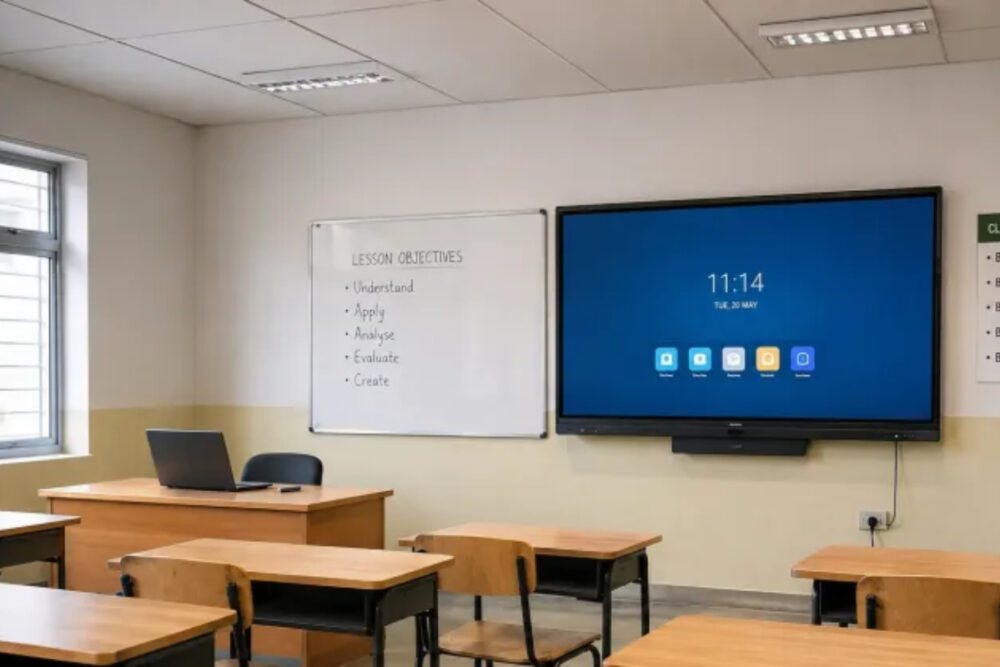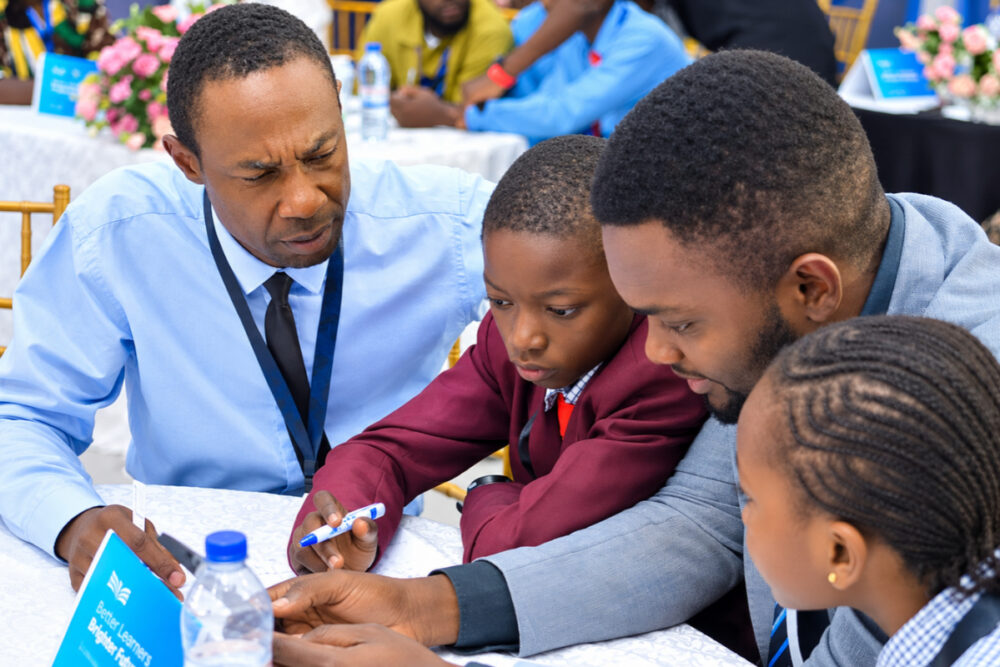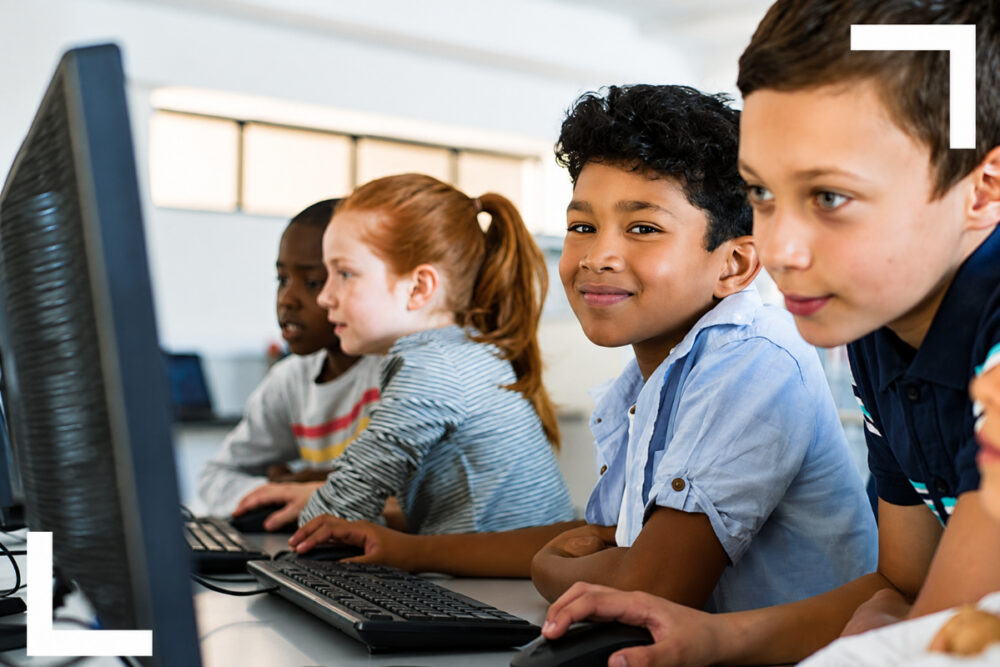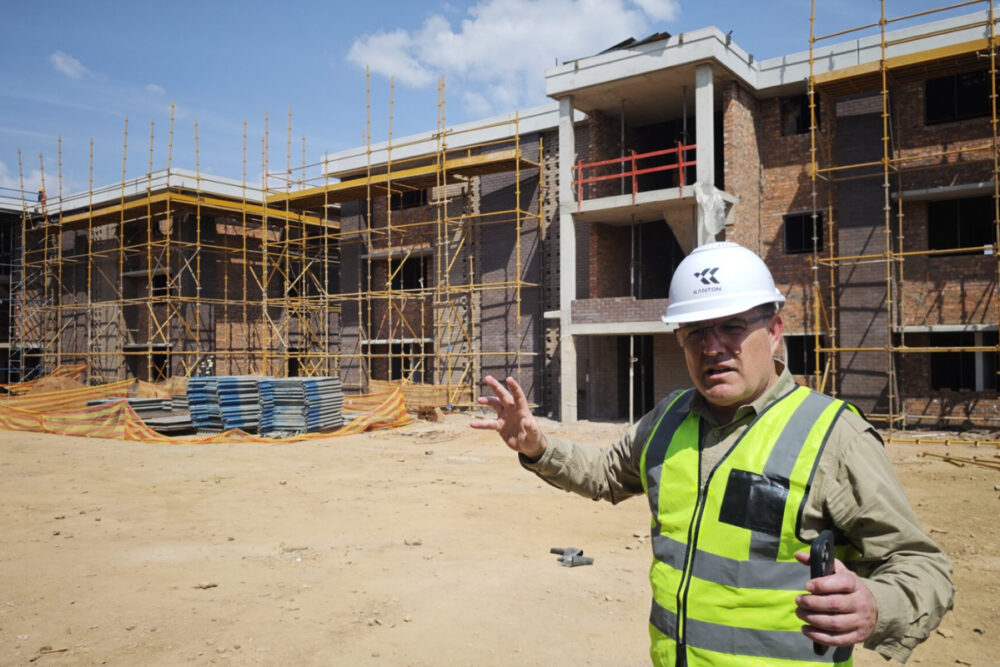
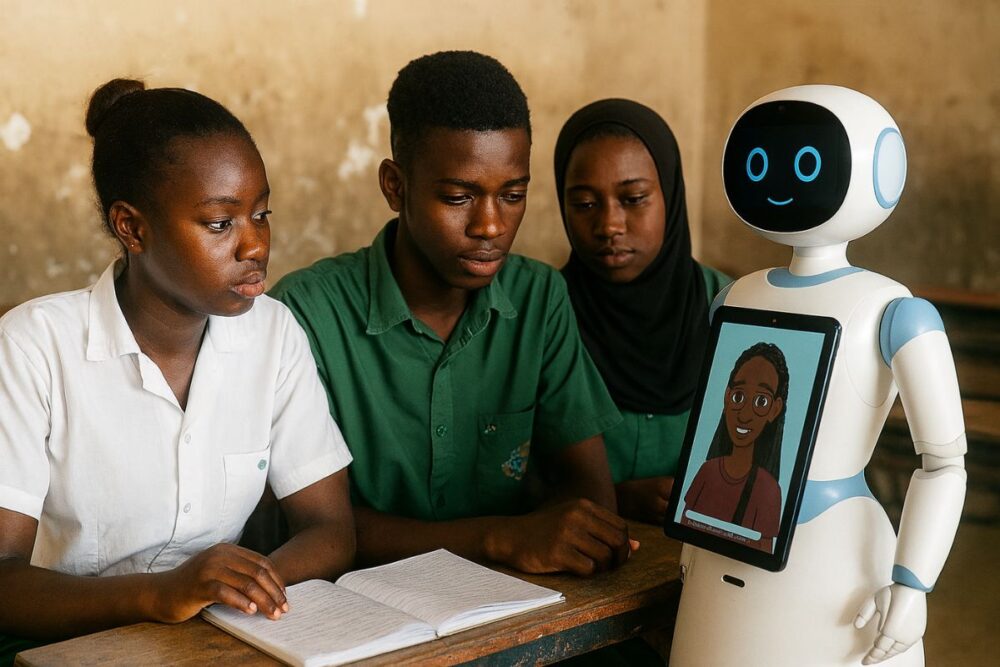
Senegal is taking bold steps to transform its education system by integrating artificial intelligence (AI) into public schools. A pioneering pilot programme in Dakar is leading the way, introducing AI tutors and adaptive learning platforms into secondary classrooms. This initiative aims to personalise learning, bridge educational gaps, and equip students with the skills needed for the digital age.
“Digital education and artificial intelligence are key levers for transforming our education systems. Let’s unite our efforts to tackle this decisive turning point together.”
Moustapha Mamba Guirassy, Former Minister of Communication, Telecommunications, and ICT in Senegal
The Rise of AI in Senegalese Classrooms
The Senegalese government, working alongside educational partners, has launched a mission to modernise the nation’s education sector. The pilot programme in Dakar serves as a testing ground for AI driven educational tools tailored to meet the diverse needs of students. These AI tutors provide real time support, adjusting to each student’s pace and learning style, and creating a more inclusive and effective learning environment.
Personalised Learning: A Game Changer
One of the most remarkable advantages of AI integration is the shift towards personalised learning. Traditional teaching often follows a one size fits all approach, which can leave some students struggling. AI powered platforms analyse individual performance data to customise lessons, quizzes, and feedback, ensuring that every learner receives the support they need. This tailored approach not only boosts student engagement but also enhances overall learning outcomes.
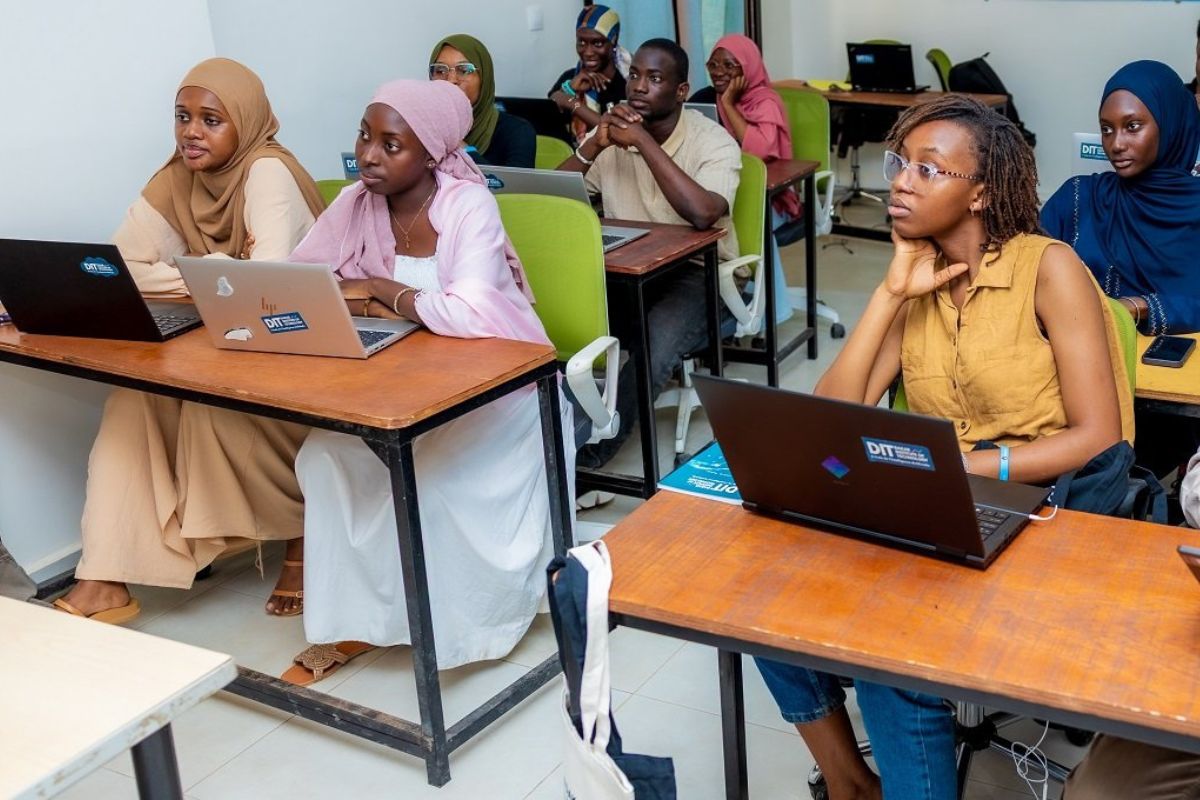
“Our country has already turned towards AI, but it’s crucial to accelerate this transition. Ensuring no one is left behind means revamping our education system.”
Amadou Hott, Former Minister of Economy, Planning, and Cooperation of Senegal
Bridging Educational Gaps
Senegal has long faced challenges such as limited resources and teacher shortages, particularly in rural regions. AI tutors can help bridge these gaps by providing consistent, scalable support to students, regardless of their location. By complementing traditional teaching methods with AI, the programme ensures that all students have access to quality education and equal opportunities to succeed.
Introducing AI into classrooms also prepares students for the rapidly evolving job market. As global demand grows for digital literacy and technological skills, familiarising students with AI tools equips them with essential competencies for the modern workforce. Moreover, AI driven learning encourages critical thinking and problem-solving abilities, skills that are increasingly valuable in any career.
Parents and students play a key role in the success of this initiative. Parents can support their children by encouraging the use of AI tools and fostering an environment that values technological proficiency. Meanwhile, students can actively engage with AI tutors and provide feedback to help improve the system. This collaborative approach ensures that the benefits of AI integration are fully realised and sustained.

Looking Ahead
The success of the Dakar pilot could pave the way for nationwide implementation. If proven effective, AI powered learning may become a standard feature in Senegalese schools, transforming the educational landscape and setting a benchmark for other countries in the region. By embracing AI, Senegal is not only modernising its education system but also investing in the future of its students.
Senegal’s introduction of AI-powered learning in public schools represents a major milestone in the evolution of education. By personalising learning experiences, addressing educational gaps, and preparing students for a technology-driven world, this initiative promises a brighter, more inclusive educational future for all.