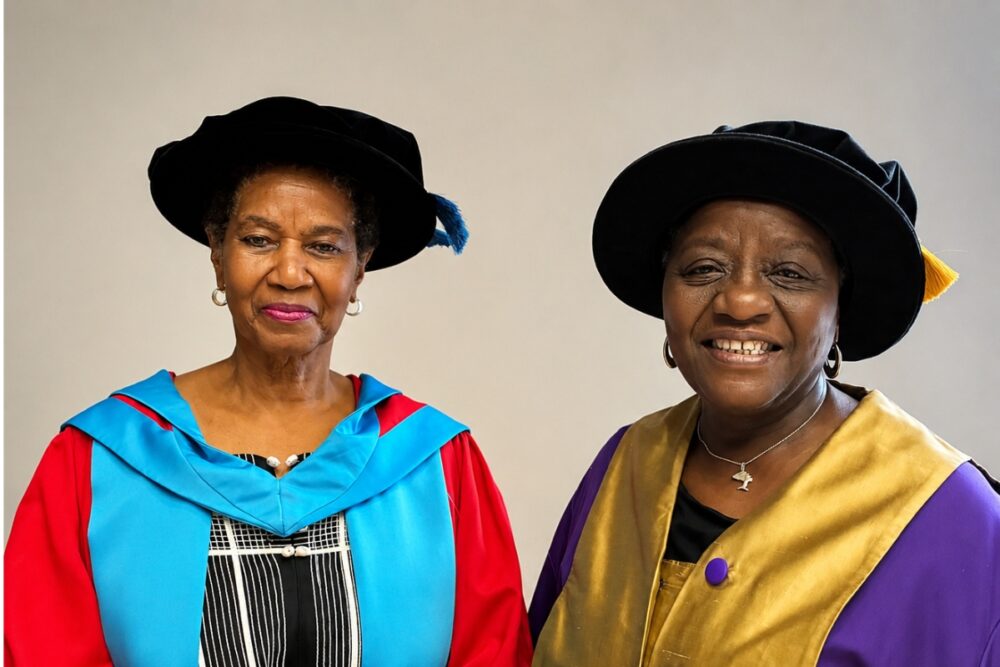
Sanette Angloher’s transition into educational leadership in Saudi Arabia marked a defining moment in her professional journey. With a strong leadership background rooted in South Africa, she entered a new cultural environment with confidence and experience. Yet the move quickly revealed that leadership across cultures does not follow a fixed formula. It requires humility, adaptability, and a willingness to listen deeply. Her experience demonstrates that empathy and inclusion are as essential as policy and structure in shaping effective educational leadership.
The Power of Emotional Intelligence
One of the earliest challenges Sanette encountered was supporting junior academic coordinators as they stepped into leadership roles. While technically capable, many lacked confidence in guiding others. Rather than leading with procedures, she prioritised emotional intelligence, focusing on active listening, recognising unspoken concerns, and adapting communication styles to different situations.
Over time, these approaches produced noticeable shifts. Coordinators who once avoided difficult conversations began handling them with empathy and clarity. Others learned to remain composed under pressure, strengthening trust within their teams. These changes reinforced a core belief that leadership is not about authority, but about creating the conditions for others to grow into their potential.
Navigating Cultural Expectations
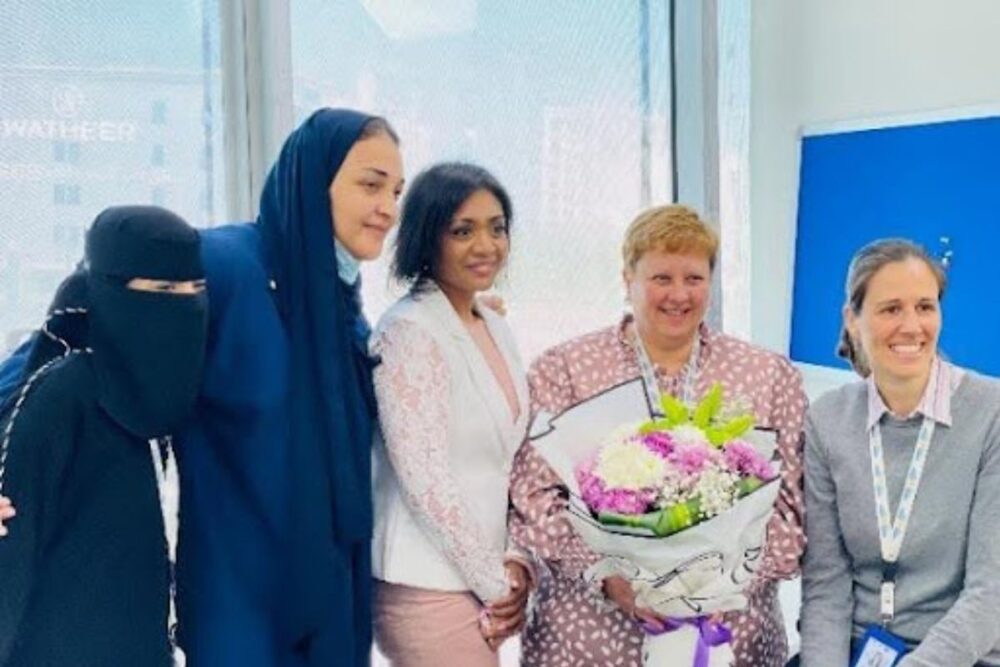
Leading in Saudi Arabia required careful navigation of cultural expectations, particularly within teams made up largely of women balancing professional and family responsibilities in a rapidly evolving society. Sanette’s leadership approach involved balancing institutional requirements with an understanding of lived realities.
She placed emphasis on asking what support would enable individuals to thrive. In some cases, this meant practical solutions such as flexible scheduling. In others, it involved taking time to listen beyond formal work discussions. These adjustments fostered trust, strengthened professional relationships, and contributed to resilient and motivated teams.
Resilience Under Pressure
Periods of high pressure are common in educational environments, especially when deadlines, expectations, and limited resources converge. During particularly demanding phases, Sanette adopted a leadership approach that intentionally slowed the pace.
Regular check-ins, open acknowledgement of stress, and recognition of progress helped teams shift their focus from what felt overwhelming to what was achievable. Celebrating small successes reinforced shared resilience and renewed determination, even in the face of intense demands.
A Call to Reflect
Sanette Angloher’s cross-cultural leadership experiences have reshaped how leadership in education is understood. Leadership is revealed not as perfection or control, but as presence, adaptability, and continuous learning. Leading across cultures requires openness to new perspectives and a willingness to remain a learner.
Across Africa and beyond, educators face different realities but share common questions:
• How can leadership adapt to changing contexts?
• How can cultural traditions be balanced with innovation?
• How can empathy become central to leadership rather than secondary?
These reflections resonate across borders. Whether in a rural classroom in South Africa or a vocational institution in Saudi Arabia, educators share a commitment to helping people flourish. Leadership shaped by empathy, adaptability, and courage strengthens institutions and the communities they serve. The answers to these questions will help shape not only leadership journeys, but the future of education itself.