
Across Africa a quiet but powerful transformation is taking place in higher education. In city suburbs and regional hubs new private universities are rising with modern facilities and bold visions. For parents and students this new wave of campuses represents more than bricks and mortar. It signals a shift in the quality and diversity of education available on the continent.
A Changing Landscape of Higher Education
For decades many African students travelled abroad in search of advanced degrees and world class teaching. That trend is slowly changing as private universities emerge across Nigeria, Ghana, Kenya, Rwanda, Uganda and beyond. Institutions like Covenant University in Nigeria are now recognised nationally and internationally for excellent programmes in STEM business and leadership. In Ghana, Ashesi University has become famous for ethical leadership and entrepreneurial training. Meanwhile in Kenya names like Strathmore University, Mount Kenya University, Catholic University of Eastern Africa (CUEA) and Daystar University are among those transforming expectations.
These institutions are often backed by local investors international partners and even charitable foundations. They are filling gaps left by public universities which in many countries are under pressure from large student numbers and limited budgets.
Private universities now offer a wider choice of programmes from medicine to engineering creative arts business and digital technologies. This expansion means that students who once felt compelled to leave their home countries can now find comparable opportunities closer to family and community. For parents this reduces the high cost of overseas tuition and travel while offering reassurance about safety and cultural continuity.
What Modern Private Campuses Look Like
A walk through one of these new campuses can feel like stepping into a different educational era. Many have airy lecture theatres high speed internet well equipped laboratories and libraries with digital access to global research. Student accommodation ranges from affordable hostels to premium on site residences. Sports facilities innovation hubs and career counselling centres are becoming standard features.
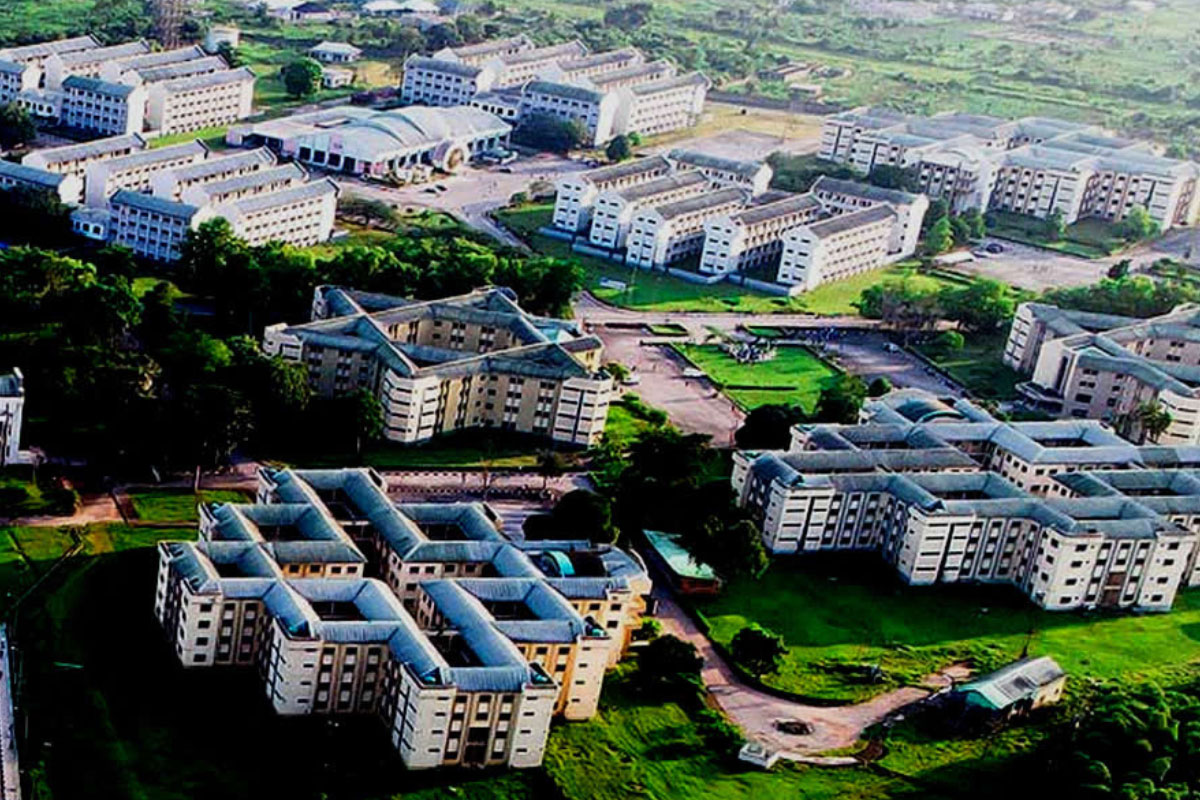
Such infrastructure signals a deeper commitment to a holistic education. Beyond classrooms students are encouraged to develop leadership and entrepreneurial skills participate in community projects and gain international exposure through exchange programmes. For ambitious young people this combination of academic learning and personal growth can be life changing.
Innovative Teaching and Global Standards
One of the most striking features of the private university boom is the emphasis on quality teaching. Many institutions recruit lecturers with international qualifications or industry experience. Curricula are updated regularly to meet market needs and accreditation bodies are more active than before. Some universities partner with established global institutions to offer joint degrees or recognised certifications.
This approach benefits students in practical ways. Courses in digital finance renewable energy public health or artificial intelligence for example are designed to meet the demands of modern economies. Graduates leave not only with a degree but also with skills employers actively seek. Parents value this because it improves their children’s employment prospects and opens doors to further study abroad if desired.
Affordability and Scholarships
Critics sometimes argue that private universities are only for the wealthy. While fees can be higher than in public institutions many new campuses now provide flexible payment plans scholarships and bursaries. Partnerships with development agencies and corporate sponsors are helping to fund students from less privileged backgrounds. In some countries governments are offering tax incentives or grants to encourage private sector participation in higher education.
This mix of support mechanisms means that motivated students from diverse backgrounds can access these new opportunities. For families who plan carefully and apply early the dream of a quality university education is becoming more realistic.
At A Glance
Private universities in Africa are expanding rapidly, with leading examples including Covenant University in Nigeria, Ashesi University in Ghana and Strathmore University in Kenya. Many campuses now offer high speed internet, innovation hubs and strong global partnerships. At the same time, scholarships and flexible payment options are improving access to higher education for a wider range of students.
Regional Impact and Future Growth
The rise of private universities is not just benefiting individual students and families. It also strengthens local economies and communities. New campuses create jobs for academic and non academic staff stimulate construction and service industries and often serve as centres for research and innovation in their regions.
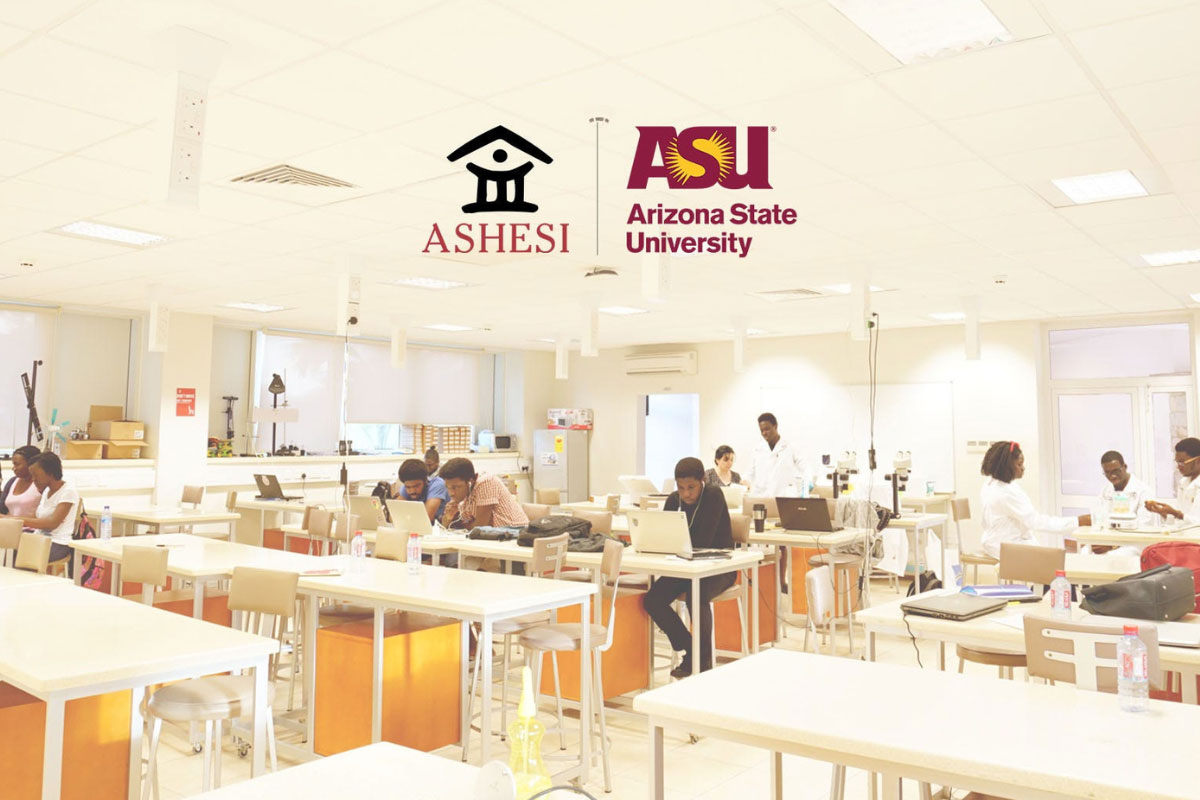
Looking ahead analysts expect this trend to accelerate. Africa’s youth population is growing rapidly and the demand for higher education will continue to rise. With limited capacity in public universities the private sector is likely to play an even bigger role. Technology will also shape the future with blended learning online resources and virtual labs complementing physical campuses.
What Parents and Students Should Consider
Choosing the right university remains a major decision. Parents and students should examine accreditation status graduate employment rates available courses and campus culture. Visiting campuses speaking with current students and reviewing partnerships with international bodies can provide valuable insight.
Families should also explore financial options early. Many universities offer early bird discounts for tuition fees or merit based scholarships. It is worth checking student support services such as counselling mentoring and career placement which can make a significant difference to the overall university experience.
A New Era of Possibility
The great campus boom across Africa represents a turning point for higher education. Modern private universities are no longer simply alternatives to public institutions. They are becoming centres of excellence innovation and opportunity. For parents they offer the chance to secure a quality education for their children without the upheaval of sending them abroad. For students they promise not only academic credentials but also personal growth professional readiness and a sense of pride in studying at home.
As more families explore these options the future of African higher education looks increasingly bright. The rise of private universities is not just a trend but a sign that the continent is investing in its most valuable resource its young people.