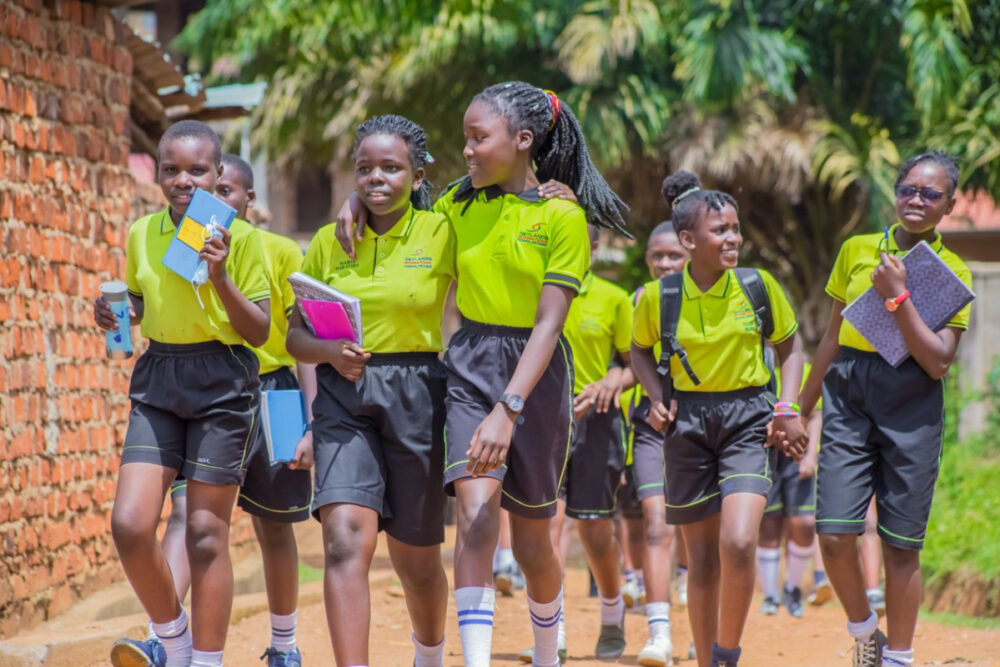
The organiser’s confirmed results recognise three projects, highlighting student ideas across environmental protection, traceability and community health.
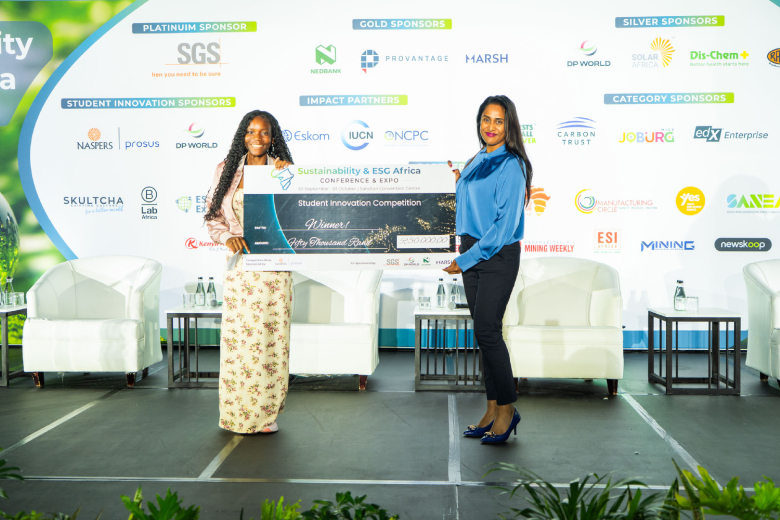
Namibia’s Martha Lukas has won the 2026 ESG Africa Student Innovation Challenge, receiving R50,000 for her project E-Waste to E-Guard.
The Sustainability & ESG Africa Conference & Expo confirmed the results, naming Ariel Boro from Burkina Faso as runner-up and Uganda’s Mercilina Arayo as the recipient of its Health Innovation Prize.
The organiser describes the competition as a platform for young African innovators to present practical responses to sustainability challenges and connect with industry leaders.
Three Projects Receive Recognition
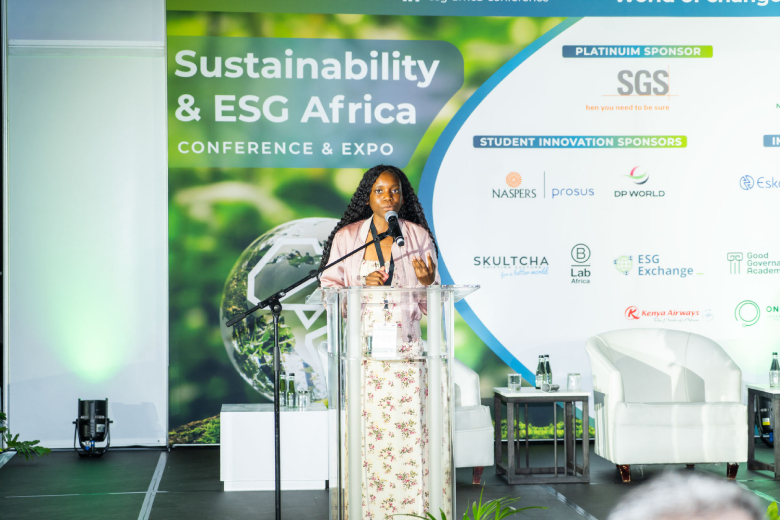
The verified winners and prizes are:
| Recognition | Recipient | Country | Project | Prize |
|---|---|---|---|---|
| First prize | Martha Lukas | Namibia | E-Waste to E-Guard | R50,000 |
| Runner-up | Ariel Boro | Burkina Faso | Trace ID | R25,000 |
| Health Innovation Prize | Mercilina Arayo | Uganda | NutriTrack Kaberamaido | R15,000 |
In its awards overview, the organiser links E-Waste to E-Guard to addressing poaching. It does not provide enough technical detail to establish how the system operates or quantify its impact.
Dis-Chem judged the Health Innovation Prize. Naspers and DP World supported the main student competition, with Dis-Chem supporting the health award.
Student Ideas Meet Sustainability Questions
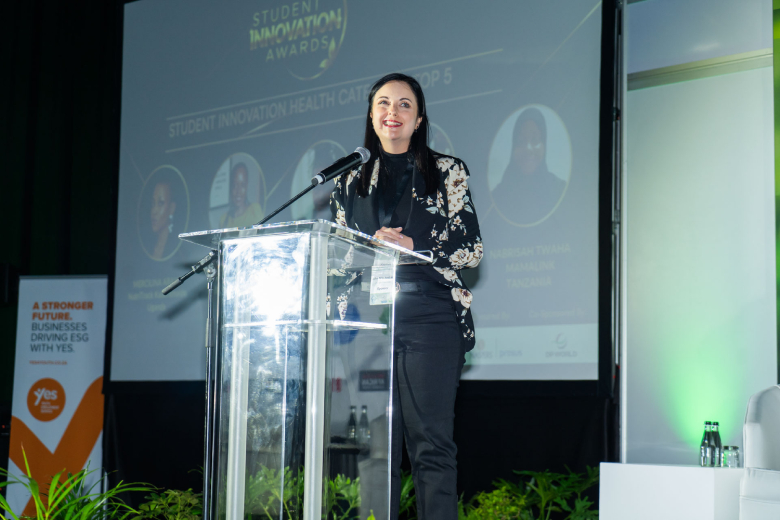
The challenge’s themes included ethical value chains, human rights and inclusive impact, artificial intelligence for sustainability, and biodiversity.
For educators, the projects offer starting points for discussions about how students define a problem and explain a proposed response. A useful classroom follow-up is to distinguish the originality of an idea from the evidence needed to demonstrate that it works.
For aspiring entrants, the published results also illustrate the range of issues the competition considers. Students should follow future announcements for eligibility and entry requirements rather than assume that the 2026 arrangements will apply to the next edition.
Explore the organiser’s winners page for the confirmed results and future competition announcements.