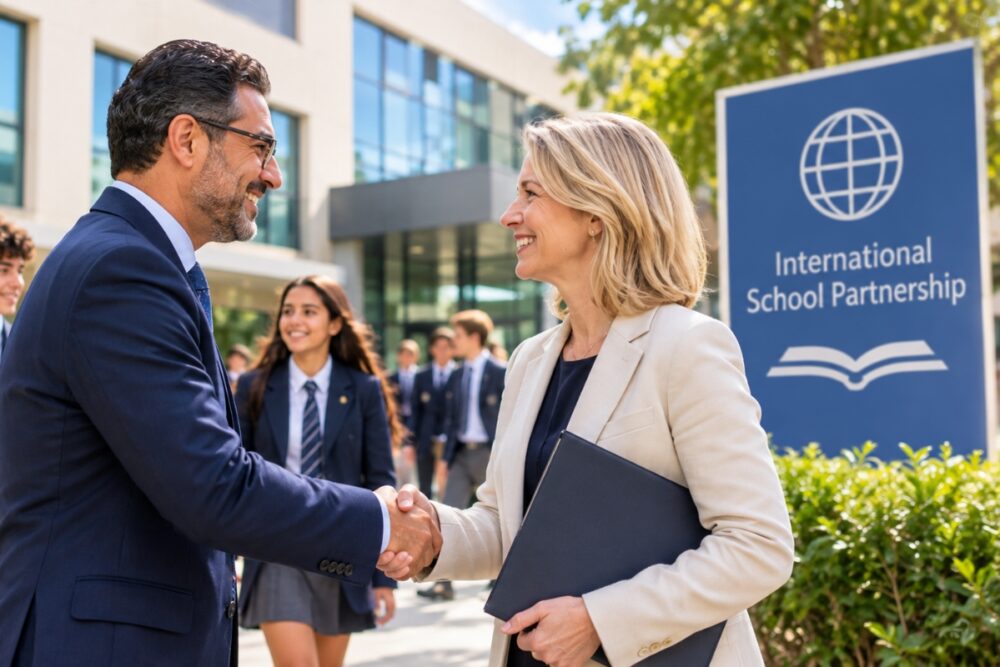
As international schools expand into new markets, choosing the right local partner can shape the quality, direction and long-term success of a school.
For British independent schools considering overseas expansion, market demand, fees and regulatory requirements are important starting points. However, successful international school partnerships also depend on shared values, clear responsibilities and an understanding of local communities.
Mohsen Ojja, président directeur général (CEO) of Education Development Company (EDC), Morocco’s largest private school group, offers insight into the process from a developer’s perspective.
EDC operates more than 30 schools across Moroccan, French, American and international curricula. In September 2027, the group plans to open Ardingly British School Casablanca in partnership with Ardingly College in the UK.
Ojja brings more than 20 years of experience in British education, including his former role as chief executive of Anthem Schools Trust. This experience helped him understand the priorities of British schools while assessing what a local partner needs from the relationship.
His experience also highlights important considerations for school groups exploring international expansion.
Finding the Right Partner for International School Partnerships
EDC’s research identified demand among Moroccan and expatriate families for an authentic, high-quality British education.
The group therefore sought an established British heritage school with the experience and standards to support the new school’s development. The aim was not simply to use an established name, but to find a partner actively involved in building the school.
EDC held discussions with several established British schools, each bringing different strengths. Reputation and commercial terms formed part of the assessment. However, the most important consideration was whether both organisations shared the same educational ambitions.
The partnership needed to focus on delivering an outstanding education experience that supports the development of the whole child.
It was equally important to find a school that understood EDC’s structure and experience. As an investment group operating schools across several international systems, EDC needed a partner comfortable working with a large organisation.
Open discussions about school improvement, enrolment targets, fees and budgets were therefore essential. Educational and commercial decisions are closely connected in international school development.
Ardingly recognised EDC’s scale as an operational strength. This provided a foundation for developing a new school while maintaining the identity and educational values of its British partner.
Understanding Local Culture and Educational Needs
A successful international school must understand the community it serves. In Casablanca, this means considering Morocco’s regulatory, cultural and linguistic context.
Families may seek an international education while wanting their children to remain connected to their country, language and cultural roots.
Consequently, EDC and Ardingly needed to consider how the British curriculum would work alongside Arabic, French and Moroccan cultural studies. They also examined which elements of Ardingly’s ethos could transfer directly and which required adaptation for local families.
Leadership arrangements were another important consideration. Both partners needed clarity on appointing the founding head and agreeing the criteria for the role.
Furthermore, they needed to establish how educational and commercial priorities would be balanced. Decisions about class sizes, admissions and fees can affect both the school’s financial sustainability and students’ learning experiences.
These conversations are particularly important when a school enters a new market. A successful model in the UK may require thoughtful adaptation to meet the expectations of families elsewhere.
Quality Assurance and Shared Responsibilities
International school partnerships also require both organisations to understand how quality will be maintained across borders.
A prospective partner will want to know which senior leaders will participate, how much time they will commit and how the school will be monitored.
For EDC and Ardingly, this involved detailed discussions about governance and leadership. These included representation on the governing board, visits from senior staff and the recruitment and support of the founding head.
The partners also needed to agree what information would be reported to the UK. This included student outcomes, safeguarding audits and quality review visits.
Importantly, educational leaders must be prepared to work closely with finance and investment teams. Discussions should extend beyond curriculum and teaching to include budgets, enrolment and the financial decisions that shape a school’s development.
For educators, this does not mean compromising educational priorities. Instead, it creates a shared understanding of how strong teaching, responsible financial planning and effective school management support one another.
Clear responsibilities can also help prevent misunderstandings as the school grows.
Building International School Partnerships for the Long Term
The discussions helped EDC and Ardingly establish a shared understanding of their respective strengths and expectations.
EDC was able to demonstrate its approach to teacher development, monitoring student outcomes and evaluating school quality. These were established practices across its existing schools, allowing Ardingly to examine the group’s work directly.
Ojja’s experience in the English education system also provided common reference points. His understanding of inspection, safeguarding, curriculum and leadership helped both organisations communicate more effectively during the early stages.
However, the discussions extended beyond the opening year. Both partners considered how the relationship would develop over the next decade.
This included maintaining educational standards, resolving disagreements and responding to challenges. Such conversations helped establish whether the organisations could work together through different stages of the school’s development.
Ojja has described the relationship with Ardingly as a marriage. Signing an agreement marks the beginning of a long-term commitment, rather than the conclusion of the partnership process.
As Ardingly British School Casablanca prepares for its planned September 2027 opening, the focus remains on the families who will choose the school.
Ultimately, the partnership will be measured by the quality of education children receive, their experiences at school and the opportunities available to them.
For schools considering international expansion, the experience offers an important lesson. Choosing a partner requires more than assessing market potential or reputation. It demands shared educational values, honest conversations, clear accountability and a commitment to the local community.
Read the original article here.