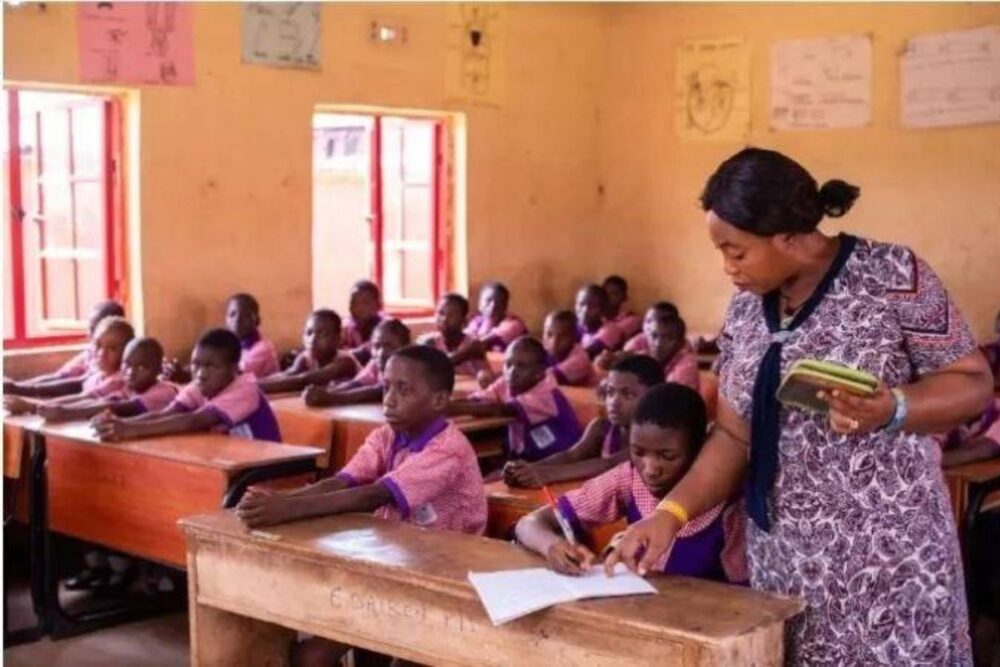
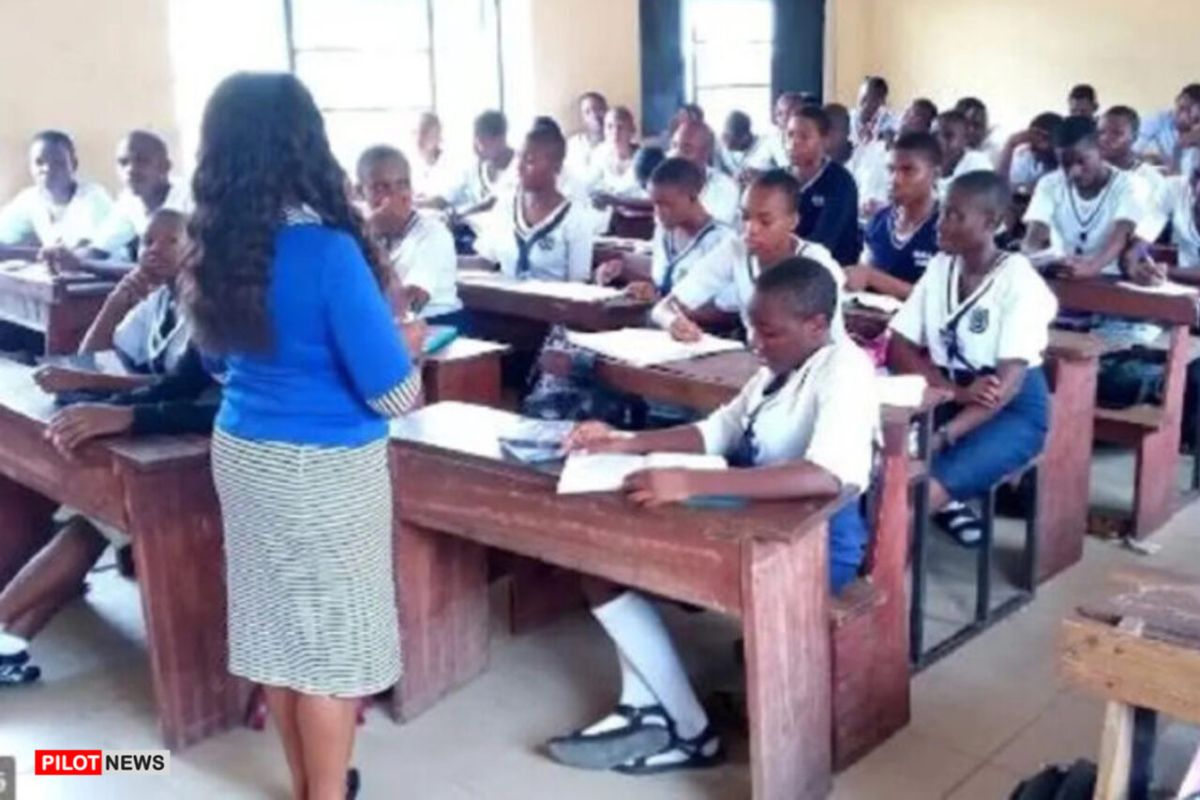
After four long months at home, pupils in Nigeria’s capital, Abuja, are finally returning to classrooms. Public schools had been shut since early 2025 due to a teachers’ strike over unpaid wage increases, leaving more than 50,000 children without lessons.
The strike has now ended following an agreement between teachers and the government to implement the new ₦70,000 minimum wage. Families can now look forward to children getting back on track with their education.
Why Teachers Walked Out
Teachers in Abuja had been waiting for a long-delayed wage increase. While the ₦70,000 minimum wage had been approved nationally, it had not yet been implemented in the Federal Capital Territory. The strike highlighted the need for fair pay and proper recognition for educators.
“The arrears for 26 months of the 2019 minimum wage were paid in piecemeal, spanning over one year until it was finally cleared at the end of 2024. Now, the implementation of the 2024 NMW of N70,000, being one of the demands of the workers, has just been implemented in the April 2025 salary due to the sustained strike action.”
NUT member
The closure of more than 400 public primary schools caused major disruption for families. Many parents were forced to seek low-cost private schools as temporary alternatives to prevent their children from falling behind. For many households, even affordable private schools were a financial strain. Parents faced the challenge of keeping their children learning while balancing household budgets.
What This Means for Education
After weeks of negotiations, the government agreed to implement the ₦70,000 minimum wage for teachers in Abuja. This decision ended the deadlock and allowed schools to reopen. Budget pressures had delayed the increase, but authorities recognised that education must remain a priority. Teachers now receive fair pay, and schools are back in session.
The strike has drawn attention to the challenges facing Nigeria’s public education system. Overcrowded classrooms, limited resources, and frequent strikes disrupt learning and affect student outcomes. Improving teacher welfare is crucial to prevent future strikes and ensure that pupils can receive consistent, quality education.
Why Parents Are Choosing Private Schools
The strike highlighted the growing reliance on private schools as a fallback. Some families have chosen to keep their children in private institutions permanently, fearing potential disruptions in public schools. This trend may increase inequality between public and private school pupils.

How Pupils Can Catch Up
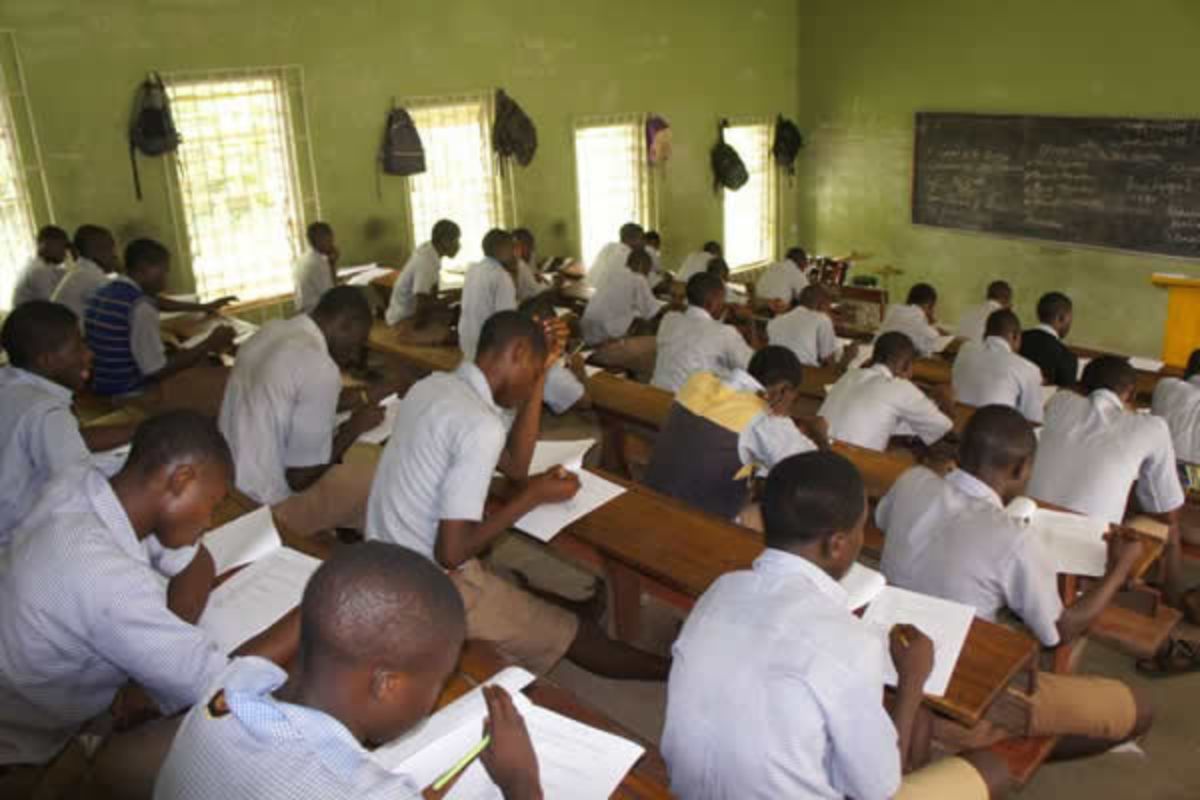
With schools back in session, the focus is on helping pupils recover the lessons missed during the strike. Extra classes and extended terms are being planned, giving students the opportunity to catch up on missed learning. The reopening allows pupils to reconnect with friends and continue their education, while parents regain confidence in a stable school system.
At-a-Glance
- Number of schools closed: 400+
- Number of pupils affected: 50,000+
- Teachers’ new minimum wage: ₦70,000
- Duration of strike: 4 months
- Start of strike: Early 2025
- End of strike / schools reopened: Late July 2025