Behind Nigeria’s international education sector is a community of teachers and school leaders working to balance globally recognised educational frameworks with the needs of their local communities.
An international school classroom in Lagos or Abuja can bring together teachers trained in different educational systems, pupils from diverse backgrounds and families with ambitions that extend well beyond national borders.
Yet the international character of these schools is not defined solely by the qualifications their pupils pursue or the countries from which their teachers arrive. It is also shaped by the professional relationships, educational practices and local knowledge that educators bring into the classroom.
According to Tes Magazine’s reporting on international education in Nigeria, the country offers educators opportunities to develop professionally while experiencing a different cultural and educational environment.
Peter Anyam, academic deputy head at Springhall British Secondary School in Abuja, highlighted these possibilities in an interview with Tes journalist Dan Worth in June 2026.
“Opportunities for significant professional growth, leadership development and cultural learning.”
Peter Anyam, Academic Deputy Head, Springhall British Secondary School, speaking to Tes Magazine
His perspective provides one example of what an international teaching career in Nigeria can offer. Beyond individual schools, however, a wider professional infrastructure has been developing for more than two decades.
Building a Professional Community Beyond the Classroom
The development of international education in Nigeria is closely connected to collaboration between schools.
In 2004, five school principals gathered at the Greensprings School campus in Anthony, Lagos, to discuss challenges associated with delivering international examinations. Their meetings eventually led to the formal establishment of the Association of International School Educators of Nigeria (AISEN) in November 2009.
What began as cooperation over examinations has since developed into a professional network supporting educators through training, knowledge exchange and collaboration between institutions.
AISEN’s professional development programme extends across different educational stages, from early years to sixth form, while also involving non-teaching staff.
Its training model brings educators together to examine practical challenges and identify ways of applying what they have learnt within their own schools.
For teachers entering Nigeria’s international education sector, these networks offer opportunities to build professional relationships beyond their immediate workplace.
International Curricula and Local Educational Contexts
Nigeria’s international school community is not built around a single curriculum.
According to the International Baccalaureate, the country has been home to IB World Schools since 2007. Greensprings School in Lagos received its IB authorisation in 2010.
Alongside IB programmes, schools participating in the British Council Partner Schools network deliver qualifications including IGCSEs and A Levels.
For teachers, working across these educational frameworks can involve different approaches to assessment, lesson planning and professional development.
The challenge is to make that curriculum meaningful to the children studying it, drawing connections between global learning objectives and their own experiences, communities and cultural backgrounds.
Moving From Theory to Inclusive Classroom Practice
As international schools develop, attention is also turning towards the ability of teachers to support pupils with different learning needs.
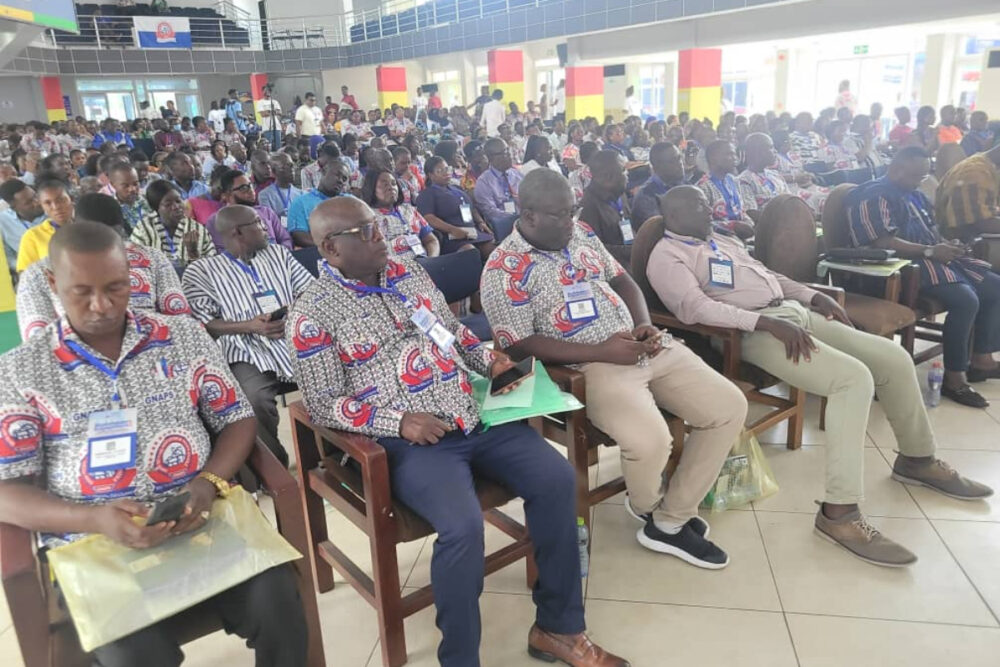
At AISEN’s teachers’ conference in Lagos in May 2026, the association’s chair, Kofowola Karunwi, called for reforms to teacher training in Nigeria, particularly in preparing educators to support children with special educational needs.
Speaking to Nigerian newspaper The Punch, Karunwi emphasised the importance of connecting professional training with the realities teachers encounter in their classrooms.
“We need to move from theory to practical learning and focus on what is happening in our environment.”
Kofowola Karunwi, Chair, Association of International School Educators of Nigeria, speaking to The Punch
Her comments highlight a distinction that matters to both educators and families. Offering an international curriculum does not, in itself, guarantee that a school is equipped to respond to the individual needs of every learner.
Professional training, specialist expertise and effective collaboration between teachers remain essential components of an inclusive educational environment.
Putting Teachers at the Centre of School Improvement
Teachers are also increasingly being encouraged to investigate the challenges they encounter in their own classrooms.
In June 2026, Nigerian educators presented findings from classroom research projects supported through the British Council’s Partner Schools programme at an event in Abuja.
The initiative enabled participating educators to investigate teaching and learning challenges, introduce interventions and evaluate their effectiveness.
One project examined mathematics anxiety among pupils, exploring approaches such as collaborative learning, educational technology and game-based activities.
Speaking at the event, British Council Nigeria country director Donna McGowan stressed the importance of evidence in shaping educational improvement, as reported by TheCable.
“Therefore, school improvement is no longer driven by assumptions – it must be informed by evidence, research, and practical classroom realities.”
Donna McGowan, Country Director, British Council Nigeria
For international school leaders, this approach presents an opportunity to position teachers not only as curriculum practitioners but also as active contributors to educational research and institutional development.
Understanding Life as an International Educator in Nigeria
The professional opportunities available within Nigeria’s international schools form only part of the experience of working in the country.
For educators considering relocation, the culture of an individual school, its approach to staff development and the support available when settling into a new community can be equally important.
In its feature, The View From Nigeria: Teaching and Leading in a Rapidly Growing Nation, published on 23 June 2026, Tes Magazine explores these experiences through conversations with educators at four Nigerian schools.
The article forms part of Tes’s wider international education reporting, which examines professional life across different countries and school communities.
For prospective teachers, school leaders and educators interested in Nigeria’s evolving international education landscape, these first-hand perspectives offer further insight into working in the country.