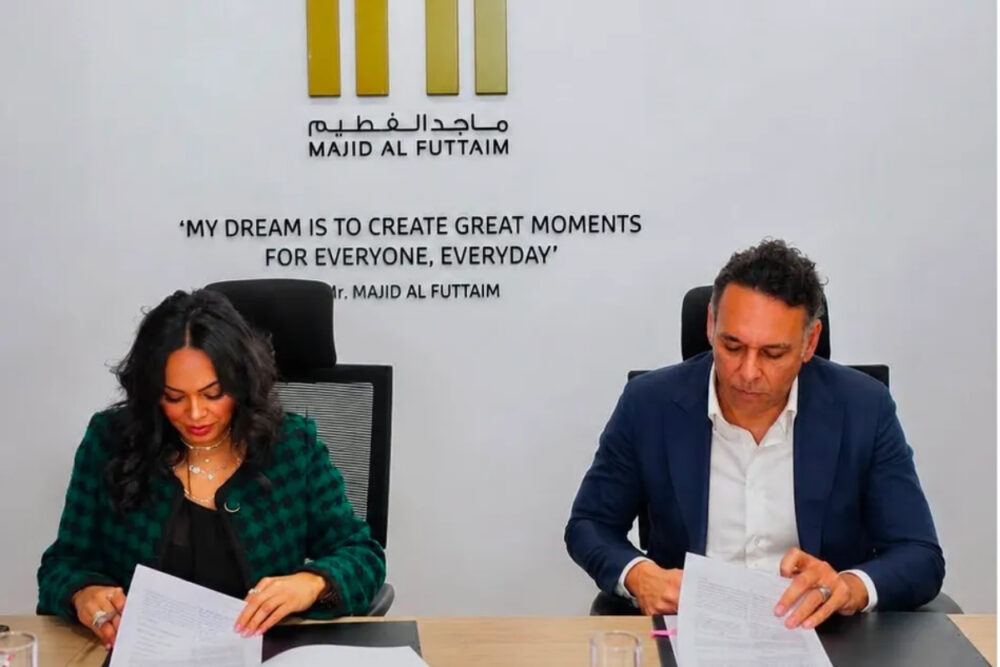
Majid Al Futtaim and Educate Me Foundation have partnered to improve learning environments and strengthen literacy skills for around 10,000 students across Egypt. The Egypt education partnership combines school infrastructure upgrades with targeted support for primary learners.
The initiative is being delivered under the supervision of Egypt’s Ministry of Education and Technical Education. It aims to address both the physical learning environment and key foundational skills.
Egypt Education Partnership Upgrades Eight Schools
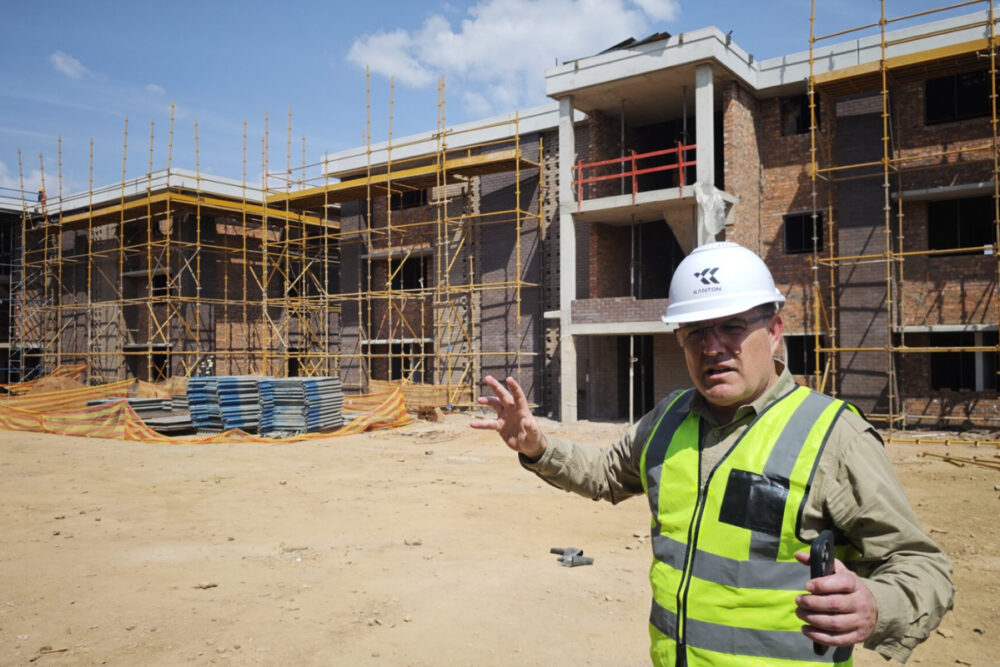
The first part of the Egypt education partnership focuses on improving school infrastructure across several Egyptian governorates.
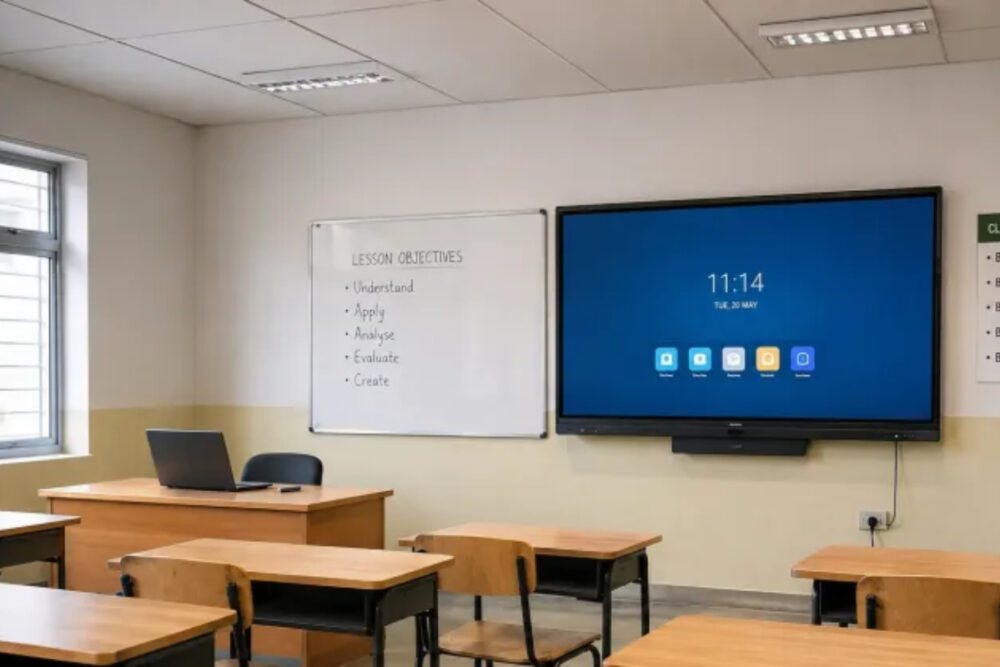
The first phase has refurbished facilities at eight schools in seven governorates. The improvements include upgraded playgrounds, computer and science laboratories, and sanitation facilities.
More than 8,300 students are expected to benefit from these improvements. The aim is to create learning environments that are more supportive, engaging and suitable for students.
The partnership also includes a longer-term community support model. Each local Carrefour store has adopted a neighbouring school.
Through this arrangement, the stores will provide year-round engagement, including regular monthly activities and continued support for school facilities.
This approach is intended to maintain the improvements beyond the initial refurbishment work. It also creates stronger links between local communities and schools.
Literacy Programme Targets 1,500 Primary Students
The second part of the Egypt education partnership is the Children’s Education Initiative in Aswan Governorate.
The programme will support 1,500 primary school students and focuses on reading, writing and comprehension. It uses the Teaching at the Right Level (TaRL) methodology to address different learning needs.
Students will take part in interactive activities designed around their age groups. Furthermore, the programme aims to extend learning beyond traditional classroom activities.
The focus on foundational literacy is particularly important for primary learners. Strong reading and comprehension skills can support progress across other areas of the curriculum.
Private Sector And Education Organisations Work Together
Mohamed Khafaga, Country Manager of Majid Al Futtaim Retail in Egypt said,
“At Majid Al Futtaim, we believe that the private sector plays an important role in addressing community needs, and we remain committed to leading initiatives that align with national goals, contribute to sustainable development, and create opportunities that strengthen communities across Egypt.”
He added that the partnership reflects Majid Al Futtaim’s continued investment in expanding access to quality education as a key pillar of sustainable development. By working closely with the Ministry of Education and Educate Me Foundation, the company is contributing to better learning environments, addressing skill gaps and helping young people reach their full potential.
Eng. Christine Safwat, Executive Director, Educate Me Foundation said,
“We believe at Educate Me Foundation that every child has the right to quality education, which enables them to break the cycle of poverty and build a better future. Our partnership with Majid Al Futtaim represents a true model of collaboration between the private sector and civil society in creating sustainable change in the education sector.”
She added that developing public-school infrastructure and strengthening literacy skills addressed one of the largest gaps children face in their learning journey. She said the initiative was not only about improving facilities, but also about investing in children’s potential. She added that the foundation supports children throughout their school years, both academically and psychologically, helping them build self-confidence and providing opportunities to grow and succeed inside and beyond the classroom.
What The Partnership Means For Schools And Students
The initiative brings together infrastructure improvements and learning support rather than focusing on a single area of education.
For students, improved laboratories, playgrounds and sanitation facilities can contribute to a more suitable school experience. Meanwhile, the literacy programme aims to give younger learners additional support in essential skills.
For schools, the adoption model could also provide continued community involvement after infrastructure projects are completed.
Ultimately, the Egypt education partnership reflects a broader effort to connect private sector investment with practical improvements in public education. Its success will depend on sustained engagement, effective implementation and the long-term impact on students’ learning.