Niwa Nairobi, a new premium early years setting, is placing relationships, belonging and meaningful learning at the centre of its approach to early childhood education.
The setting aims to create a safe, nurturing and inspiring environment where children feel valued, respected and genuinely known by the adults around them. This approach recognises that children learn best when they feel secure and connected.
Children thrive when they feel they belong. When they feel loved, respected and encouraged to explore, they become more willing to take risks, ask questions and develop confidence as learners.
“Children don’t get another chance to be three.”
The phrase has guided the early years philosophy behind Niwa Nairobi and reflects its belief that childhood should be valued in its own right, while also providing strong foundations for lifelong learning.
An Early Years Philosophy Built On Experience
Niwa Nairobi’s educational approach has been shaped by more than 30 years of experience across the UK, Dubai, Vietnam, Indonesia, Kuwait and Saudi Arabia.
The setting’s Head of Foundation Stage previously led the Early Years team at Kings’ School Dubai through the school’s first KHDA Outstanding inspection. Later, as Learning Leader for Kindergarten at TH School in Hanoi, the same leader oversaw the implementation of the International Early Years Curriculum (IEYC).
In Saudi Arabia, the leader introduced the Cambridge Early Years Curriculum, with the school becoming one of the first globally to adopt the programme. The school’s work was later featured by Cambridge in its Middle East magazine as a case study highlighting innovative early years practice.
Professional development has also remained an important part of this journey. Qualifications include the NCFE CACHE Level 5 Diploma in Leadership and a Level 3 Safeguarding qualification.
The leader also became a Read Write Inc. Lead, first at TH School and later at Misk Schools in Saudi Arabia. At Misk Schools, the leader qualified as a High Performance Learning (HPL) Teacher Leader during the school’s journey to becoming an HPL World Class school.
In addition, the leader helped lead the Kindergarten through its first Saudi ETEC accreditation and contributed to the school’s Council of International Schools (CIS) accreditation journey.
However, these achievements are not seen as the ultimate measure of effective early years education.
Putting Children At The Centre Of Niwa Nairobi

For Niwa Nairobi, the most meaningful measure of success is the experience children and families have every day.
The Head of Foundation Stage remains in contact with parents and children taught in Dubai, including former pupils who are now graduating. A parent recently said,
“I’ve never seen my child as happy as when they were in your class.”
A principal also said,
“If I had a child of my own, yours would be the classroom I’d choose for them because of the warmth and fun children have here.”
These experiences have helped shape an approach that places children’s happiness, relationships and confidence alongside their educational development.
It was this child-centred philosophy that drew the early years leader to Niwa Nairobi.
The founders’ vision was not simply to open another nursery. Instead, they wanted to create an environment where childhood is respected, play is valued and children develop a lifelong love of learning.
Their commitment to understanding early childhood education has also played an important role. Although they did not come from an early years background, they have spent significant time researching, visiting outstanding settings, asking questions and learning about early childhood education.
They have also surrounded themselves with experts, remained open to new ideas and worked to create an environment that places children and families at its centre.
Preparing Children For A Changing Future
A key part of Niwa Nairobi’s philosophy is preparing children not only for school, but also for a future that remains difficult to predict.
Children may eventually work in careers that do not yet exist. Therefore, early education cannot focus only on preparing them for specific jobs.
Instead, it can help children develop qualities that support lifelong learning.
These include curiosity, creativity, resilience, adaptability, communication, empathy and the confidence to continue learning.
These qualities develop through meaningful experiences rather than pressure or worksheets.
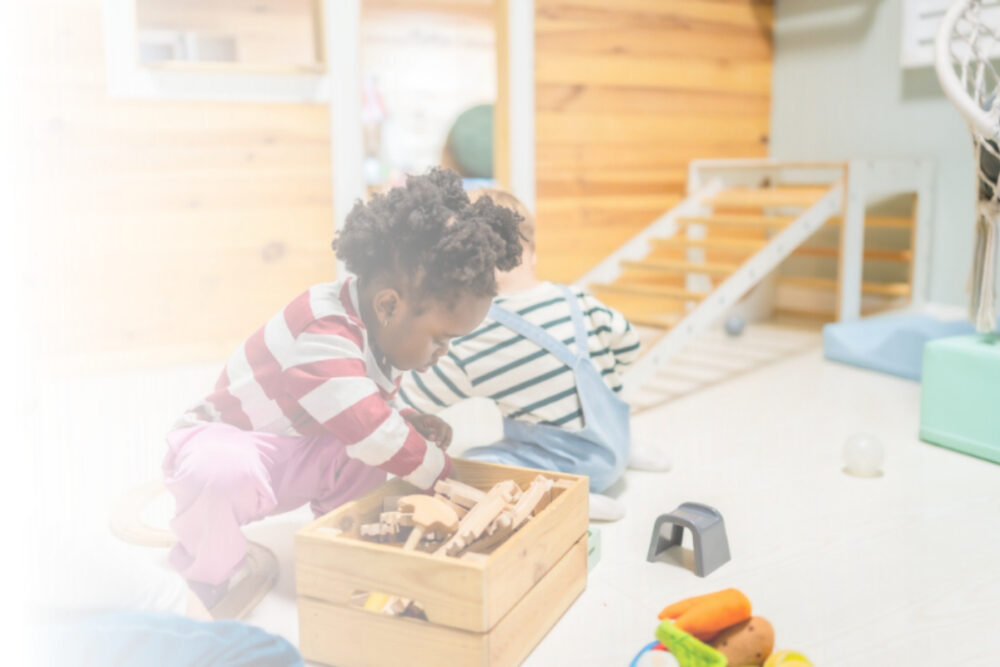
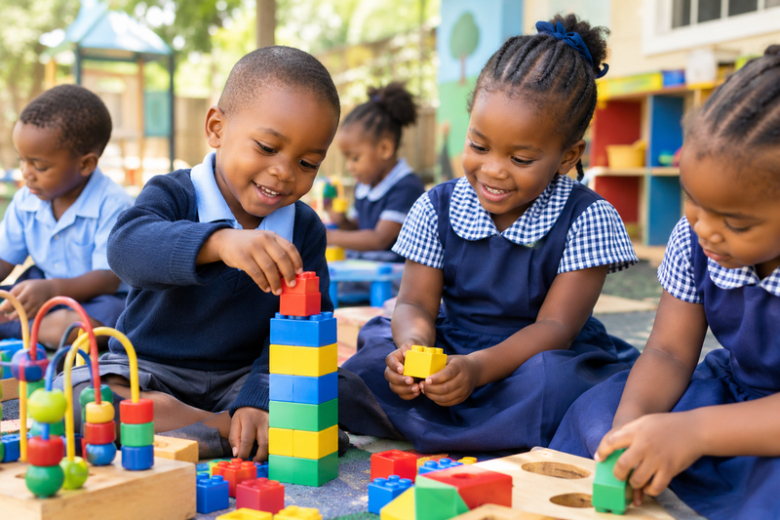
For example, when children build a den or create an imaginary world together, they are doing much more than playing. They are collaborating, communicating, negotiating, solving problems and adapting their ideas.
As a result, play becomes an important part of developing skills that children can carry into school and later life.
Learning Through Purposeful Environments
Niwa Nairobi also draws on the Reggio Emilia philosophy, including the idea of the environment as “the third teacher”.
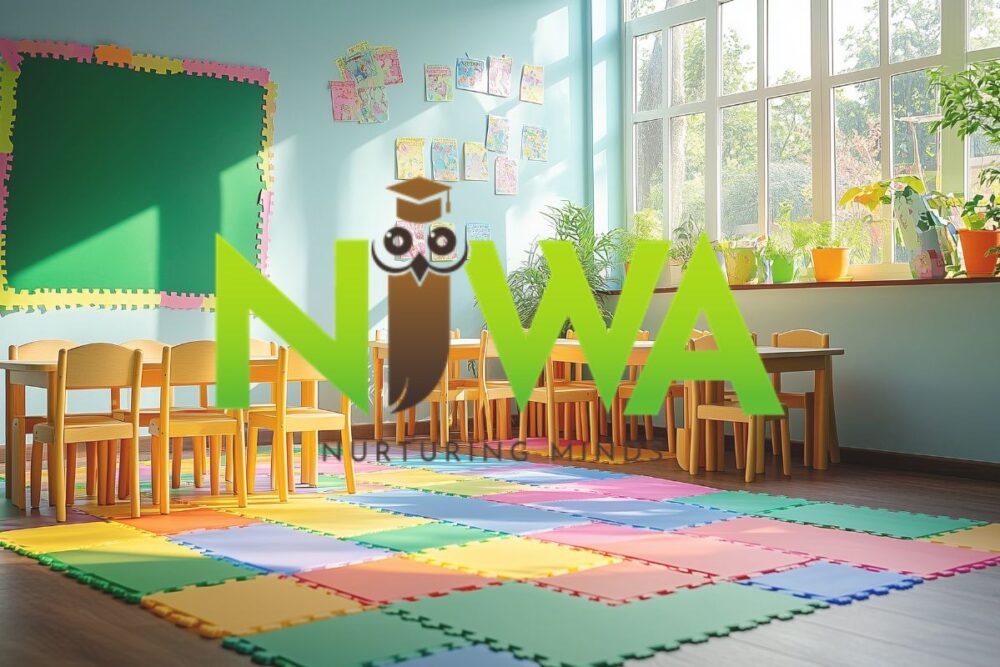
The setting aims to create spaces that encourage exploration, independence and curiosity.
Resources will be accessible, while natural materials will give children opportunities to investigate and experiment. Children will also have time and freedom to follow their interests.
Learning, therefore, is not restricted to sitting at a table. It can happen through movement, construction, storytelling, role play, nature, art, music and everyday exploration.
Creativity is central to this approach. Children can express their ideas through what Malaguzzi described as their “hundred languages”.
This means giving children different ways to communicate, create and make sense of their experiences.
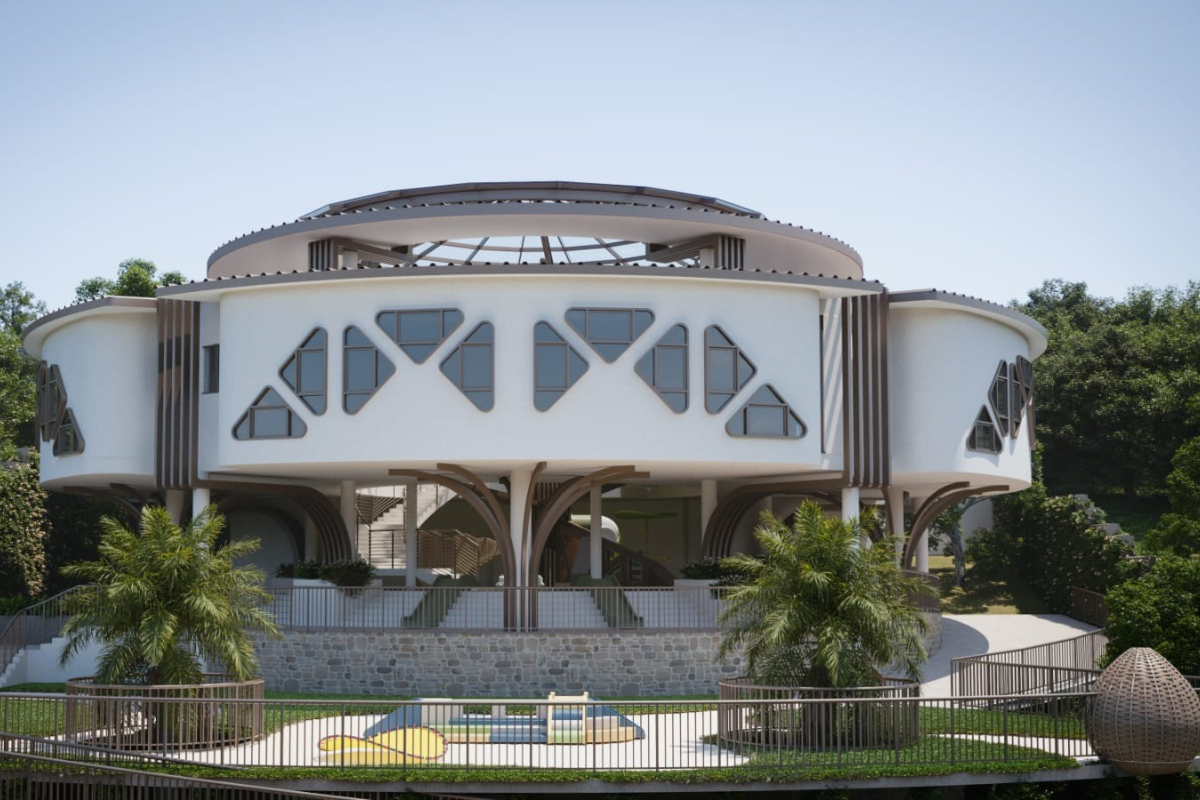
Outdoor learning will also form part of everyday life at Niwa Nairobi. The outdoor environment is viewed as more than a space for recreation. It provides another setting where children can investigate, imagine, take appropriate risks and develop their understanding of the world.
Building Early Literacy Through Joy
Literacy is another important part of the approach.
Reading begins long before children recognise letters. It develops through stories, songs, rhymes, conversation and laughter.
Humour also has a role to play. Children often remember the joy of language before they remember phonics.
Therefore, creating positive experiences around books and stories can help children develop a genuine interest in reading.
When children fall in love with stories, reading becomes something they want to do rather than something they have to do.
Families As Partners In Learning
Family partnership is another cornerstone of the approach at Niwa Nairobi.
Parents and carers know their children best. Therefore, strong relationships between families and educators can help create greater consistency and understanding around each child’s development.
The aim is for every child to feel known and every family to feel that they belong.
For parents, this means having a nursery environment where communication, trust and openness are treated as important parts of the educational experience.
For educators, it means working alongside families to understand children’s interests, strengths and individual needs.
A Long-Term Vision For Early Years Education
The ambition for Niwa Nairobi extends beyond facilities, awards or reputation.
The aim is for the setting to become recognised as one of the leading early years settings in East Africa because children are genuinely happy, families feel supported and educators enjoy their work.
Ultimately, success is not about helping children reach milestones as quickly as possible.
It is about giving them the confidence to ask questions, the courage to make mistakes, the curiosity to keep exploring and the joy of discovering the world around them.
Twenty years from now, very few people will remember whether they learnt to read at four or five. They will remember whether they loved learning.
Whether their adults helped them to believe in themselves. Whether they felt safe enough to ask questions of adults who treated them with respect. Whether school made them curious. Those are the foundations that last a lifetime.
Children do not get another chance to be three.
At Niwa Nairobi, the ambition is to make those early years count by giving children the space, relationships and experiences they need to build strong foundations for life.