Rosebank International is taking another step towards university status in South Africa as demand for recognised higher education continues to grow.
The institution, formerly known as IIE Rosebank College, has launched the Rosebank International brand as it expands its higher education footprint. The move comes as South Africa changes its approach to the recognition of private higher education institutions.
For students and families, the development raises an important question about how university status is assessed. Academic quality, accreditation, research capacity and student outcomes matter alongside the institutional label.
Rosebank International is building towards university status through an expanded academic offering. This includes its first Master’s degree programmes in 2026 and planned PhD programmes in 2027.
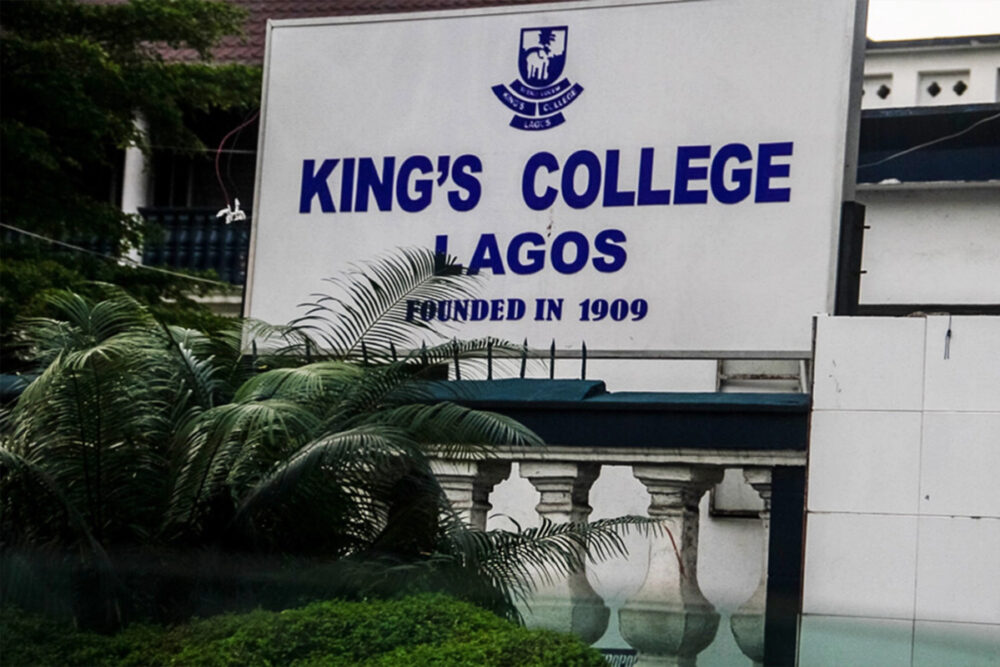
The institution’s history dates back to 1909. Today, its official website says Rosebank International has more than 35,000 students across eight campuses and online learning platforms.
Rosebank International Expands Its Higher Education Offering
The launch of Rosebank International marks a new phase for an institution with more than a century of educational history.
The institution says its focus remains on preparing students for employment while developing skills that can support their longer-term careers.
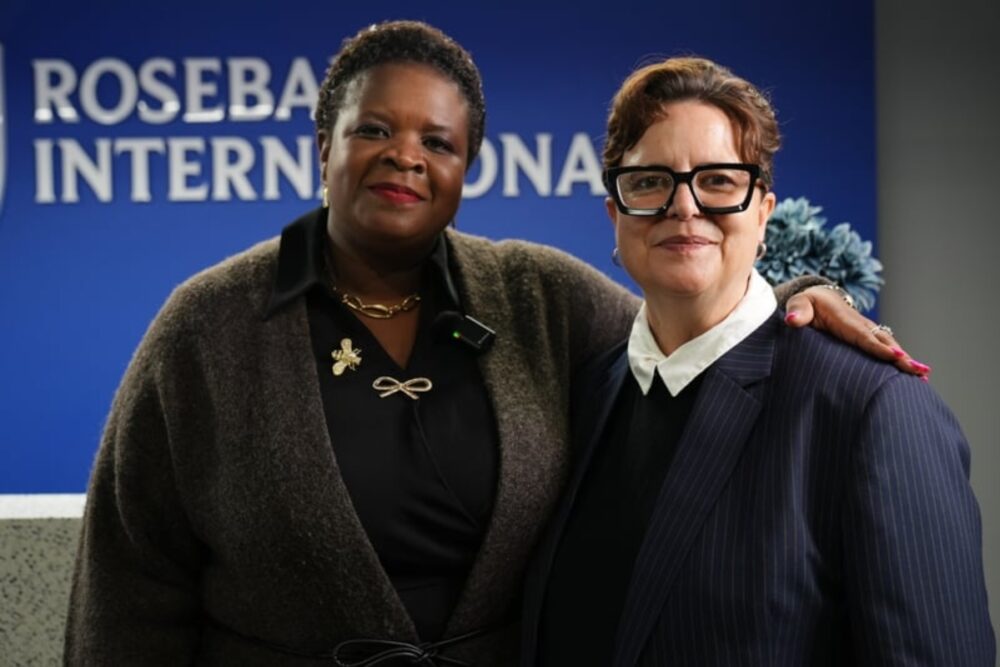
Prof Linda Meyer, Managing Director at Rosebank International and President of Rosebank International University College Ghana, said the move is ultimately about preparing students for meaningful participation in the world of work. Prof Meyer said,
“Education is about expanding pathways into the workplace for students, ensuring graduates are work-ready and able to contribute both locally and globally.”
The expansion of postgraduate education is an important part of this development. Master’s programmes planned for 2026 will extend the institution’s academic offering, while PhD programmes are planned for 2027.
For students, postgraduate options can provide a pathway towards advanced study without necessarily requiring them to move to another institution.
Furthermore, the institution’s existing offering includes undergraduate and postgraduate qualifications across areas such as business, information technology, commerce and related fields.
New Policy Creates A Path For Private Universities And Expands Higher Education Access
The move towards university status comes against a significant change in South Africa’s higher education system. In October 2025, the Department of Higher Education and Training approved a policy allowing qualifying private higher education institutions to use the title “university”.
The policy introduced three institutional categories, namely Higher Education Colleges, University Colleges and Universities. This marks an important change for private providers, which have historically operated under different institutional titles from public universities.
However, the new policy does not mean that every private higher education provider automatically becomes a university. Institutions must meet defined requirements before receiving the relevant status.
As a result, greater emphasis is placed on institutional capacity, governance, academic provision and quality assurance. The Department of Higher Education and Training continues to regulate South Africa’s private higher education system through its higher education policy and regulatory functions.
For students and parents, this distinction matters. The word “university” should not be viewed simply as a marketing label. Instead, students should consider the quality, accreditation and recognition of individual qualifications when choosing where to study.
The policy change also highlights a wider issue around access to higher education. South Africa has strong demand for university places, while public institutions face significant capacity pressures. Private higher education providers can therefore offer additional routes for students seeking recognised qualifications.
Furthermore, private providers can offer different study models. These may include full-time campus study, online learning and other flexible approaches. For working students, this flexibility can make higher education more accessible and allow learners to balance study with employment and other responsibilities.
The South African Association of Private Higher Education Institutions said private higher education institutions account for nearly 30% of higher education enrolments in the country.
As a result, private institutions already form an important part of South Africa’s wider higher education landscape. Their growing role makes quality assurance and clear recognition increasingly important for students, families and educators.
The question is therefore not simply whether private institutions should have access to university status. It is also how the sector can maintain trust, quality and consistent academic standards as it expands.
For students considering private higher education, the policy creates more choice. However, it also reinforces the need to look beyond institutional titles and assess accreditation, academic standards, programme quality and progression opportunities before making a decision.
Quality Standards And Rosebank International’s Pan-African Academic Footprint
University status carries significance for students, employers and the wider education sector. However, the title alone does not determine the value of a qualification.
Academic depth, programme accreditation, governance, research activity, institutional capacity and student outcomes all contribute to educational quality. This is particularly relevant as private institutions seek greater recognition and expand their role in higher education.
Students should be able to understand whether their qualifications are properly accredited and how those qualifications can support further study or employment. For educators and school counsellors, this makes accurate guidance increasingly important.
Students considering private higher education need clear information about accreditation, progression routes and the recognition of their chosen qualifications. Therefore, the policy shift creates an opportunity for private providers to demonstrate their academic standards more clearly.
Meanwhile, Rosebank International’s development extends beyond South Africa. The institution has also established Rosebank International University College (RIUC) in Accra, Ghana. The university college provides undergraduate and postgraduate study options and has opened applications for its 2026 and 2027 intakes.
This gives Rosebank International a presence in two African higher education markets, although the institutional recognition pathways differ between the countries. In Ghana, RIUC operates as a university college. In South Africa, Rosebank International is working towards university status under the country’s new institutional framework.
This distinction illustrates how higher education recognition can vary across African countries. At the same time, cross-border activity can create opportunities for academic collaboration, student mobility and wider international engagement. Prof Meyer said,
“Through Rosebank International, we are creating opportunities for international academic collaboration while developing graduates prepared for African contexts and global relevance.”
For students, such connections can broaden exposure to different academic and professional environments. They can also create opportunities to engage with wider African perspectives while developing skills relevant to both regional and international careers.
Building Africa’s Intellectual Capacity
The institution’s expansion also reflects a wider ambition around African higher education.
Prof Meyer said the institution wants to contribute to the development of African academic capacity while ensuring that its programmes remain relevant to the needs of the continent. Prof Meyer said,
“For too long, African students have been told that world-class education exists somewhere else. We believe Africa must build institutions that can stand confidently in the global knowledge economy while remaining deeply connected to the realities, needs and aspirations of our continent.”
She also linked the institution’s development to research and scholarship.
“Education is one of the most powerful tools for empowerment. As we expand our academic offering, our aim is to contribute to African scholarship, research and innovation in ways that are relevant to the continent and globally respected.”
The planned expansion into Master’s and PhD-level study could therefore broaden the institution’s role beyond undergraduate education.
Postgraduate programmes can support research development and create opportunities for students to contribute to academic knowledge. Over time, this may also strengthen the institution’s capacity to participate in research partnerships across Africa and internationally.
What Rosebank International’s Next Step Means For Higher Education
Rosebank International’s move towards university status comes at an important point for South African higher education.
For students, it highlights the growing range of private study options available alongside public universities.
For educators and school leaders, it reinforces the need to help students assess institutions based on accreditation, academic quality, progression opportunities and graduate outcomes.
Meanwhile, the policy change gives qualifying private institutions an opportunity to demonstrate that institutional status should reflect academic standards rather than ownership.
Rosebank International’s next stage will therefore be measured by more than its new name. Its progress towards university status will depend on how effectively it develops academic depth, postgraduate education, research and student outcomes.
For the wider African education sector, the development also highlights the potential role of private higher education in expanding access while building stronger academic capacity across the continent.