As schools around the world look for new ways to prepare young people for the future, Green School South Africa offers an alternative approach that combines academic learning with sustainability, outdoor education and practical life skills. For parents, educators and school leaders across the UAE and beyond, the school provides an interesting example of how environmental responsibility can become part of everyday learning rather than an extra subject.
Located near Paarl in South Africa’s Western Cape, Green School South Africa sits on an eight-hectare campus surrounded by orchards, vineyards and mountains. The school welcomes children from the age of two through to Grade 12 and charges annual fees ranging from R65,550 for its youngest learners to R179,550 for senior students in 2027.
While the fees place it among South Africa’s premium private schools, its educational philosophy and environmentally conscious campus continue to attract international attention.
Green School South Africa Combines Academics With Practical Learning
Green School South Africa is part of the global Green School movement, which began with Green School Bali in 2008. The South African campus is the third school in the network, alongside Green School New Zealand.
Its curriculum combines core academic subjects, including mathematics, science, English and Afrikaans, with project-based learning, environmental studies and practical experiences.
According to the Head of School, Andy Wood, the school’s educational philosophy reflects the changing needs of modern learners. Wood said,
“Green School holds onto and values the best of traditional curriculum and methodology, but also acknowledges the clear call of the future and is responding with fresh thinking, imagination and innovation.”
Additionally, the school maintains a teacher-to-student ratio of approximately one teacher for every 10 learners. This enables teachers to provide more personalised support while encouraging students to progress at their own pace through a learning continuum rather than fixed year-level expectations.
Practical Learning and Sustainability Go Hand in Hand
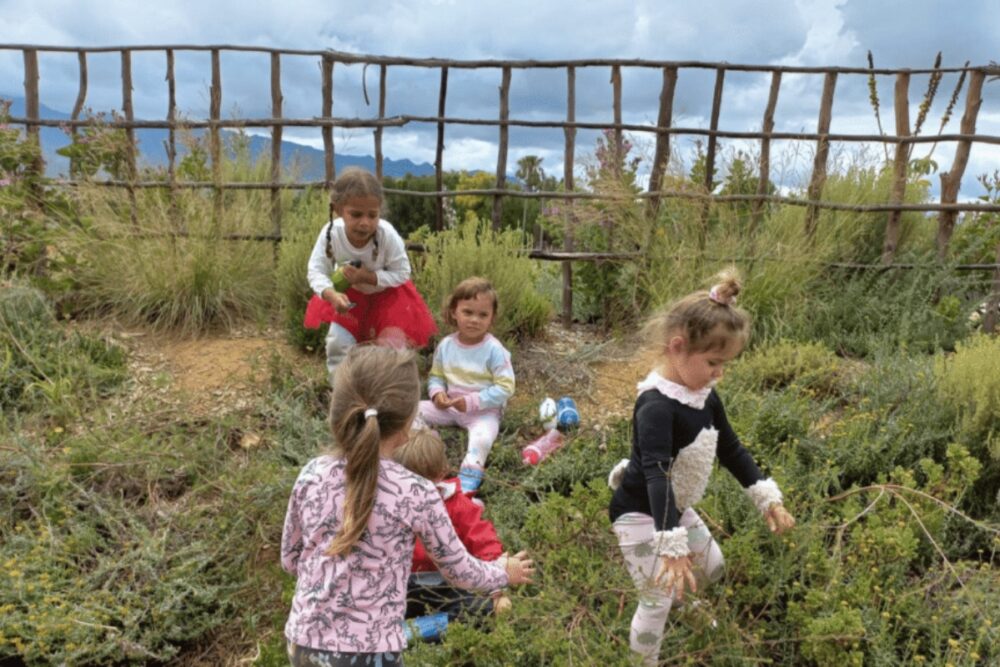
Green School South Africa encourages students to apply their knowledge through practical, hands-on experiences rather than limiting learning to the classroom.
Learners spend time gardening, cooking, sewing, building, creating artwork, developing first aid skills and taking part in outdoor education. Meanwhile, thematic learning connects different subjects around real-world topics, helping students understand how knowledge can be applied beyond textbooks.
The surrounding Drakenstein mountains also provide opportunities for hiking, mountain biking and rock climbing, making nature an extension of the learning environment. Art, music, physical education and wellbeing are also integrated into the curriculum, supporting students’ academic, social and emotional development.
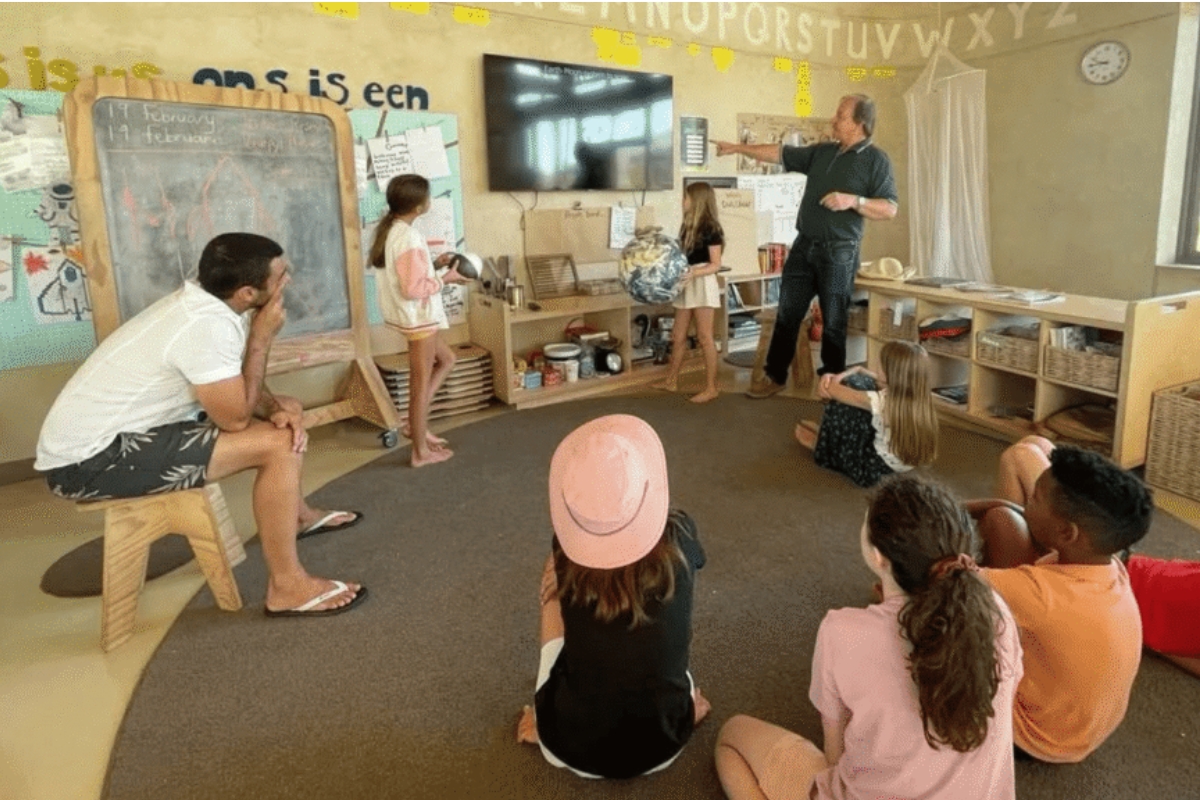 Students explore how everyday choices can contribute to a healthier planet
 A learning environment where nature, creativity and academics come together
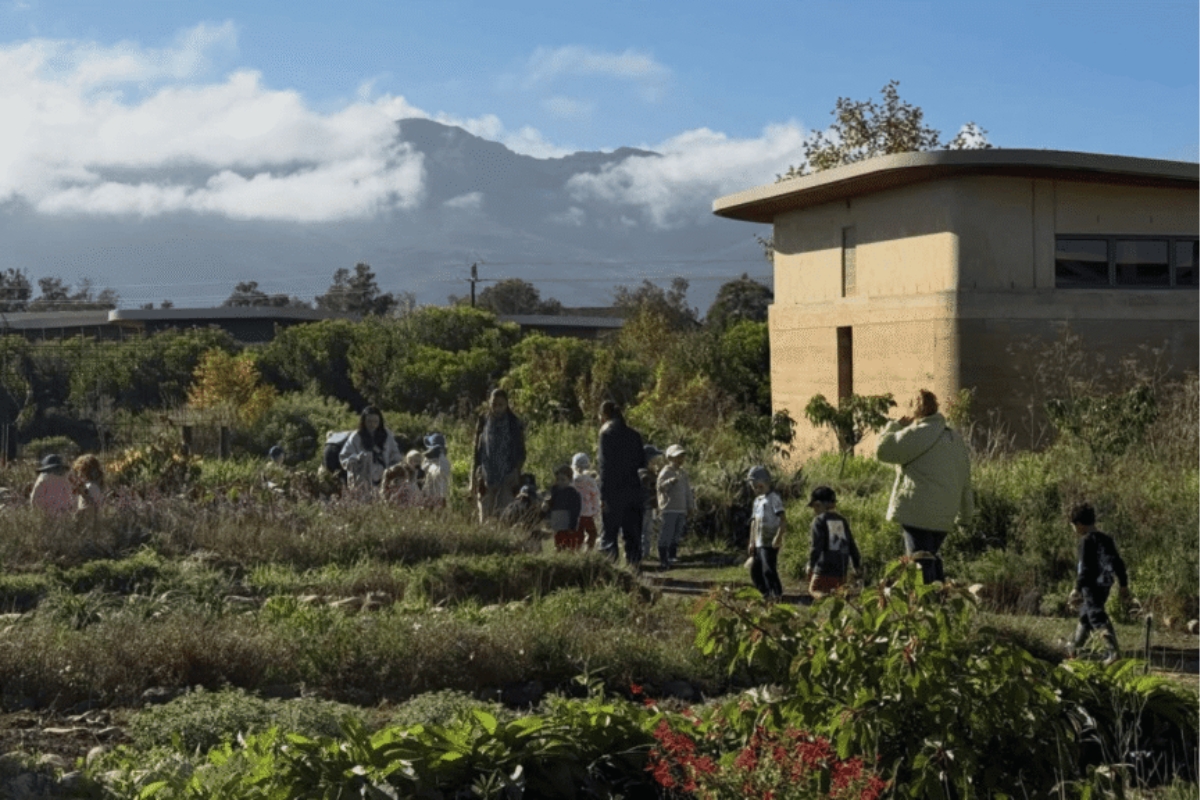
 The natural surroundings of Green School South Africa provide opportunities for exploration and outdoor learning
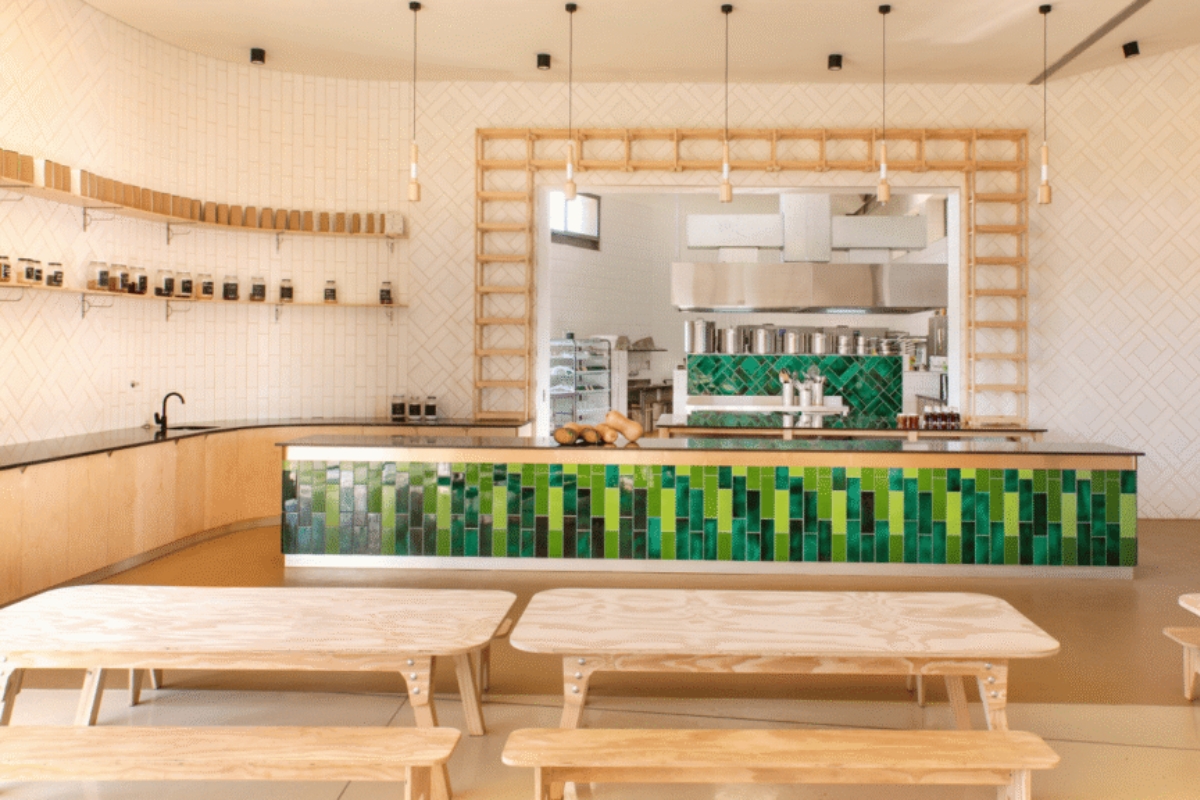 A school where students experience renewable energy, food production and environmental education every day
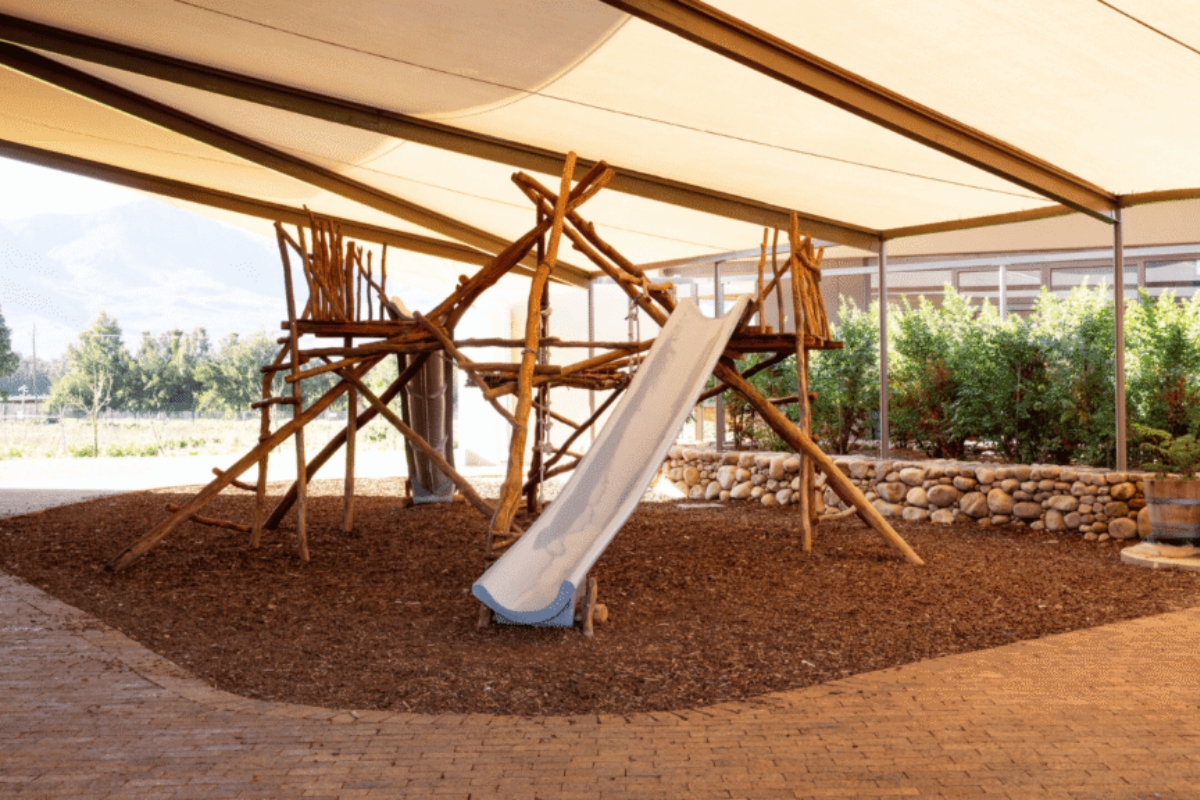 Outdoor learning helps students develop curiosity, confidence and a stronger connection with the environment
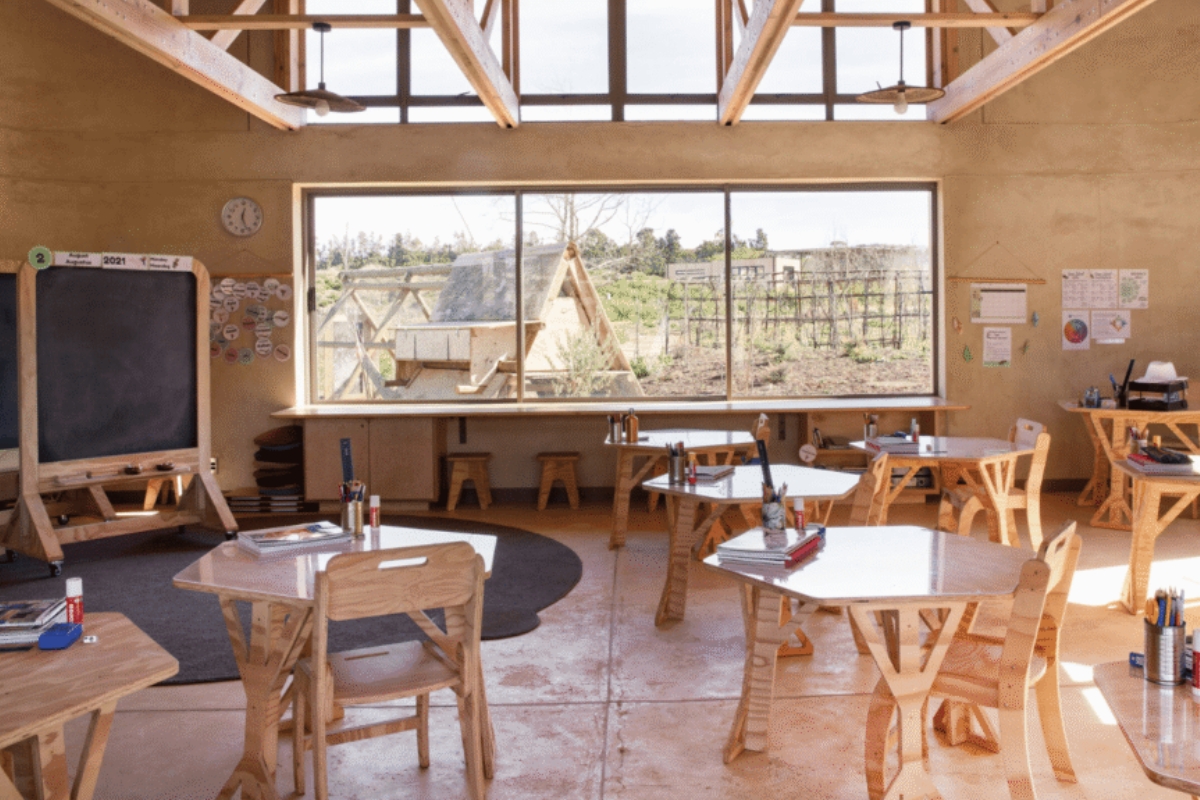 Green School South Africa focuses on skills, values and experiences that extend beyond traditional classrooms
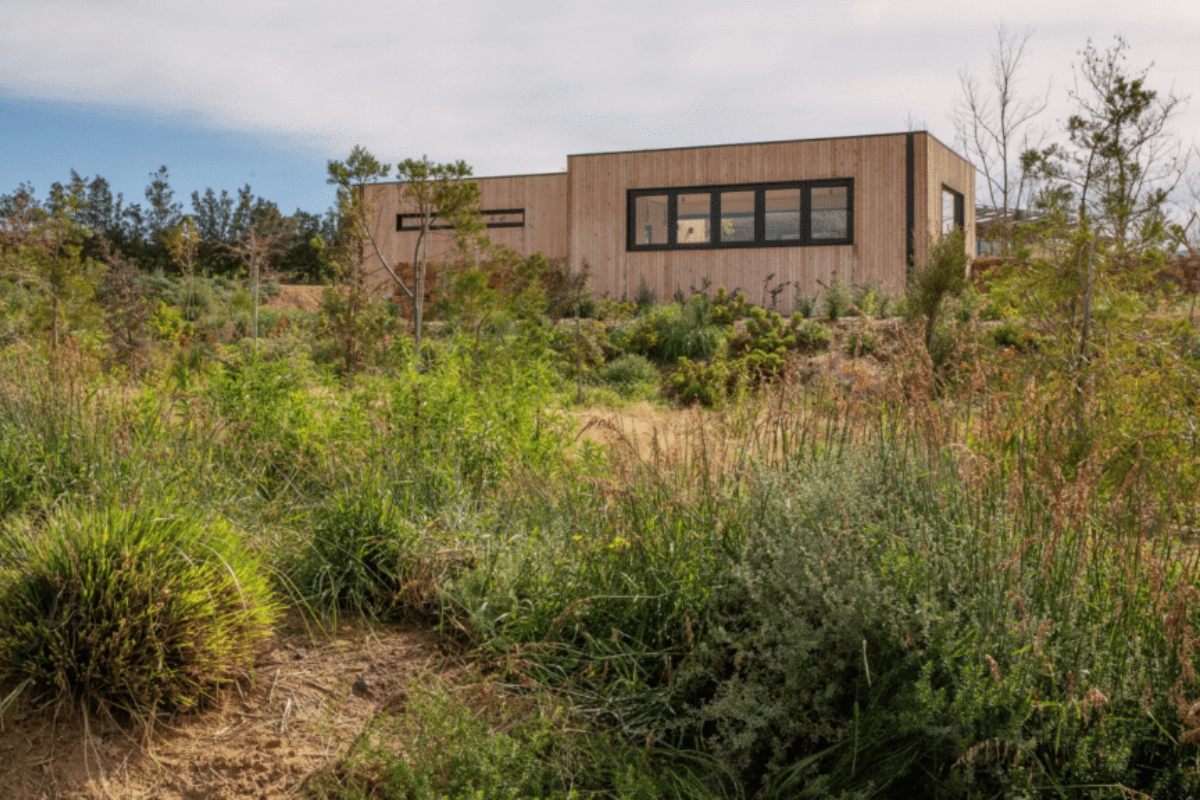 The campus offers students a daily connection with the natural world
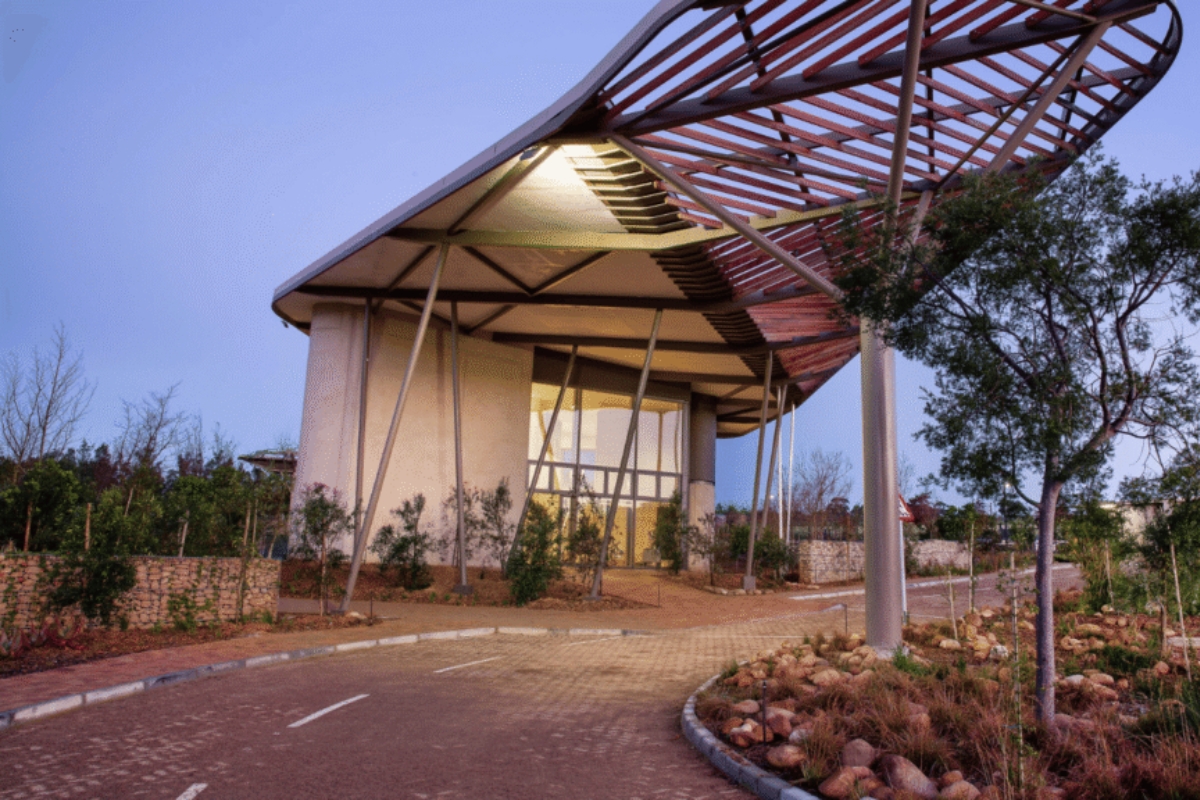
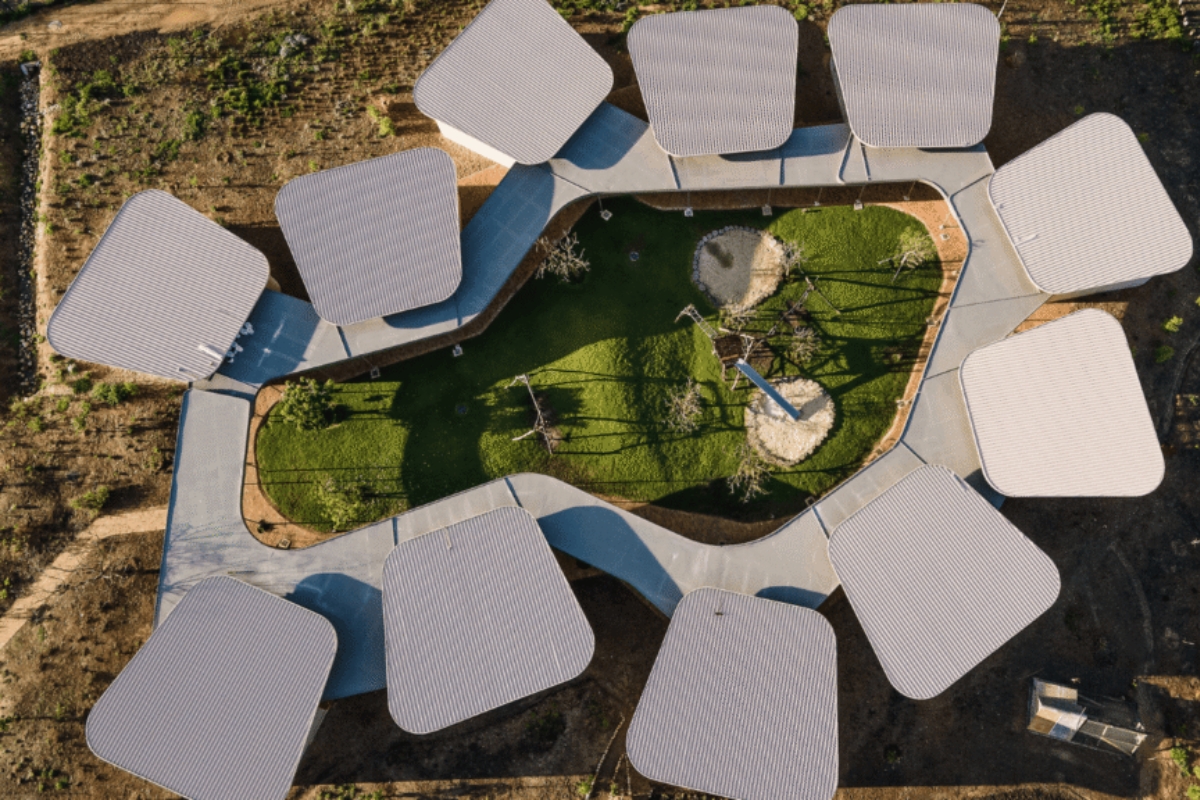 Natural landscapes, renewable energy and green spaces shape everyday school life
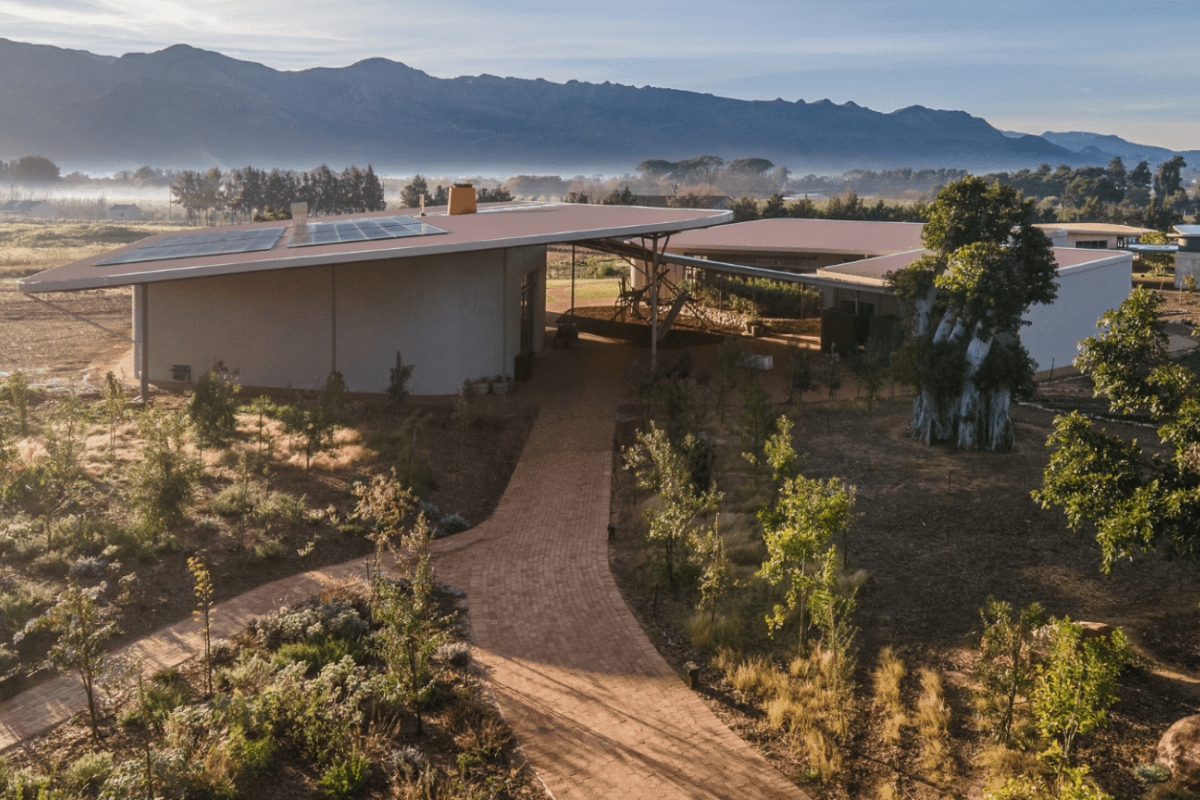 A campus designed to help students learn through outdoor exploration, creativity and discovery
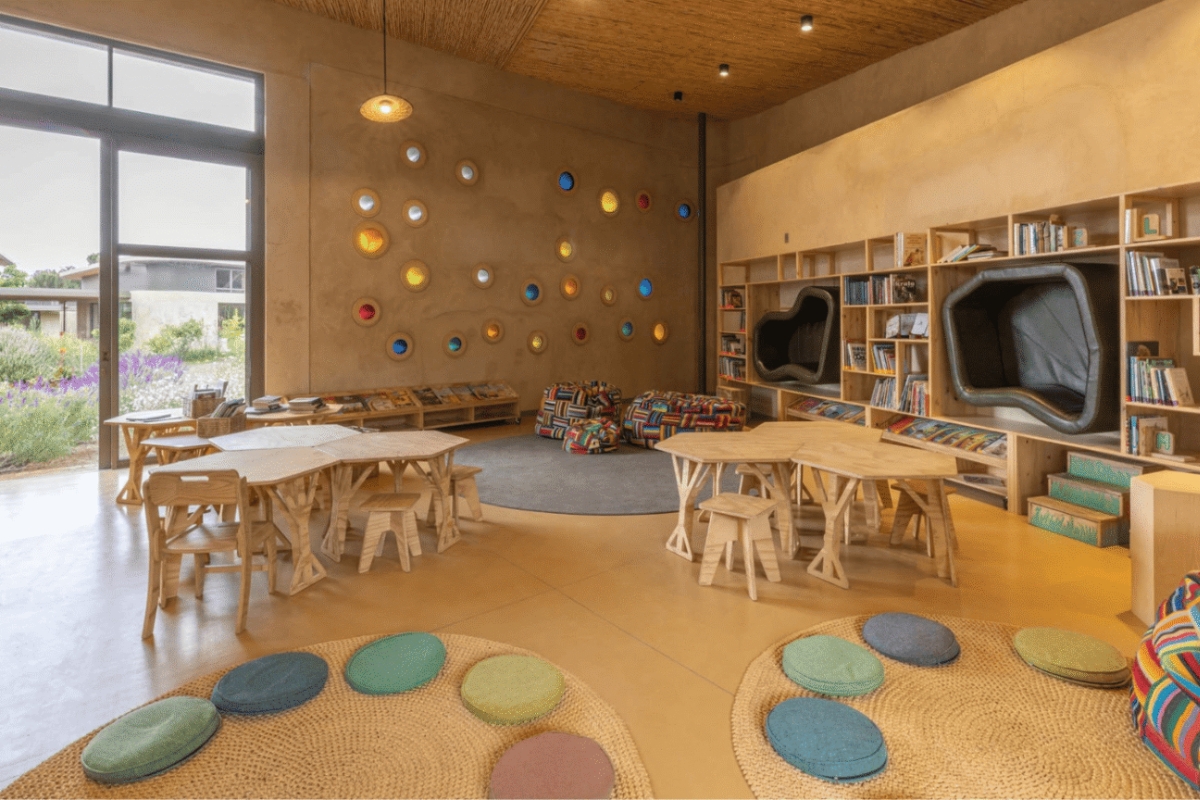 Green School South Africa’s classroom’s provide an inspiring setting for hands-on education
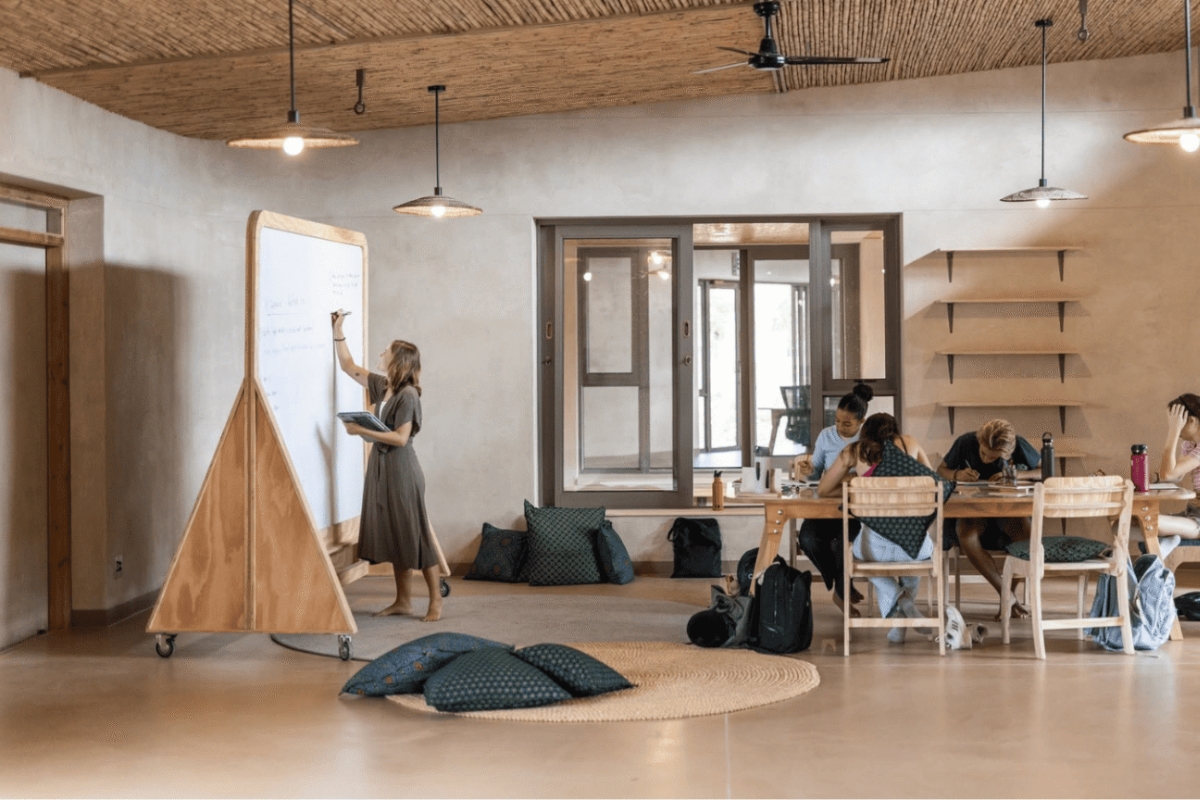 Practical activities help students develop creativity, teamwork and problem-solving abilities
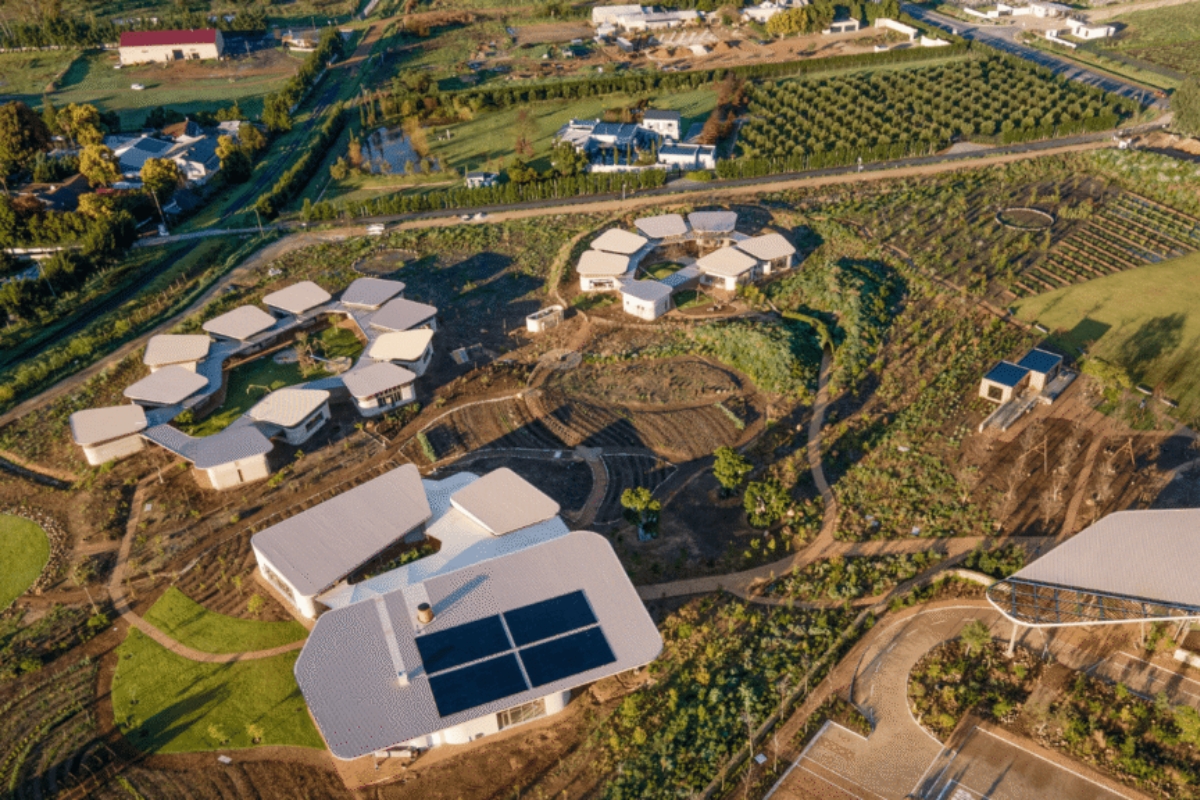 Green School South Africa connects students with the land, biodiversity and local ecosystems
Practical learning is closely linked to the school’s commitment to sustainability. According to the school, the campus generates 105 per cent of its electricity requirements and feeds surplus power back into the electricity grid. Furthermore, it aims to operate without sending waste to landfill while using less water than the site naturally receives through annual rainfall.
Its grounds include vegetable gardens, fruit forests, medicinal gardens and herbal corridors where students help grow and harvest food throughout the year. As a result, learners develop a practical understanding of food production, biodiversity and environmental responsibility from an early age. The campus has also restored indigenous plant species, creating habitats for bees, butterflies and other wildlife.
Milestone Projects Encourage Creativity and Leadership
Experiential learning extends through a series of age-specific projects that encourage learners to solve real problems.
For example, Grade 5 learners complete the Footprints Capstone Project, where they identify a community challenge and design a sustainable solution.
Meanwhile, Grade 8 students spend six months completing the Quest project, exploring environmental or social sustainability before presenting their findings in TED Talk style presentations.
Senior students complete the Green Stone project during Grade 12. They research an area of personal interest before delivering a 13-minute presentation that reflects their learning journey.
Additionally, the school’s Stappie-Stappie programme encourages learners to develop practical skills through gardening, cooking, outdoor living, building, sewing and community service. Older students also mentor younger learners, strengthening leadership and collaboration.
An International Qualification With Flexible Pathways
Green School South Africa follows a personalised four-year high school programme that leads to an American High School Diploma.
The qualification provides pathways to higher education, employment or entrepreneurship, offering flexibility for students considering international study or careers.
Moreover, the school’s emphasis on communication, sustainability and problem-solving reflects many of the skills increasingly valued by universities and employers worldwide.
Why This Matters for the UAE Education Sector
Schools across the UAE continue to place greater emphasis on sustainability, environmental awareness and future-ready skills through national education strategies and initiatives linked to climate action. Green School South Africa demonstrates how these priorities can move beyond classroom discussions into everyday school life. Its model integrates environmental responsibility with academic achievement, practical learning and student wellbeing.
Although few schools can replicate every aspect of its campus, many educators may find inspiration in its approach to project-based learning, outdoor education and student-led problem solving.
For parents, the school also raises important questions about the changing purpose of education. Academic success remains essential, but developing resilience, creativity, collaboration and environmental awareness is becoming equally important as students prepare for a rapidly changing world.