St John’s College in Johannesburg has built a reputation as one of South Africa’s leading boys’ schools, producing pupils who gain acceptance to top universities in South Africa and around the world, including Harvard University in the United States.
Founded in 1898 as a parish school of St Mary’s Anglican Church in downtown Johannesburg, the school opened in a villa on Plein Street with just six boys enrolled. By the end of its first year, more than 100 pupils were attending the school.
Building a British-Style Public School Tradition
A significant turning point came in 1906 with the appointment of Father James Okey Nash as headmaster. His vision was to create a school modelled on the great English public schools.
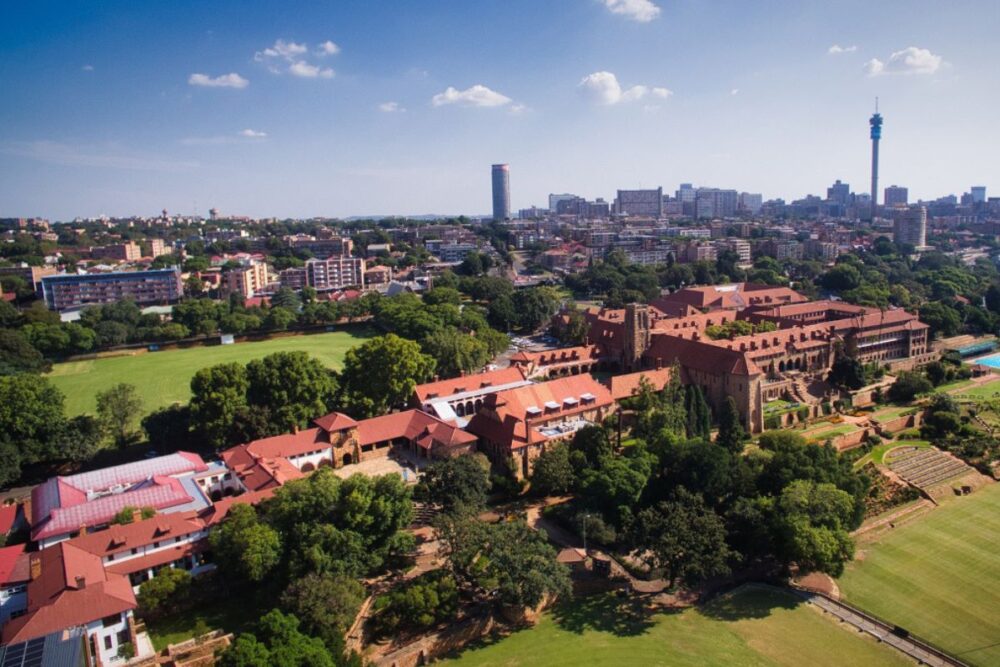
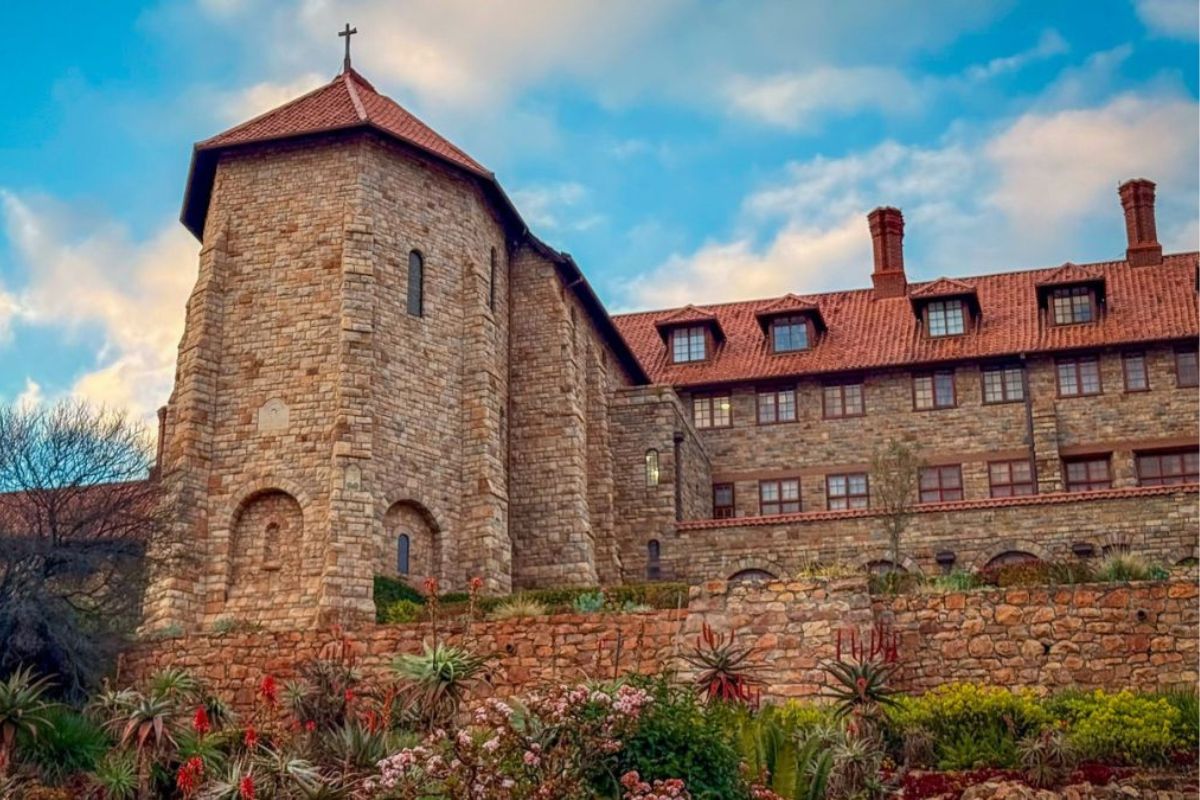
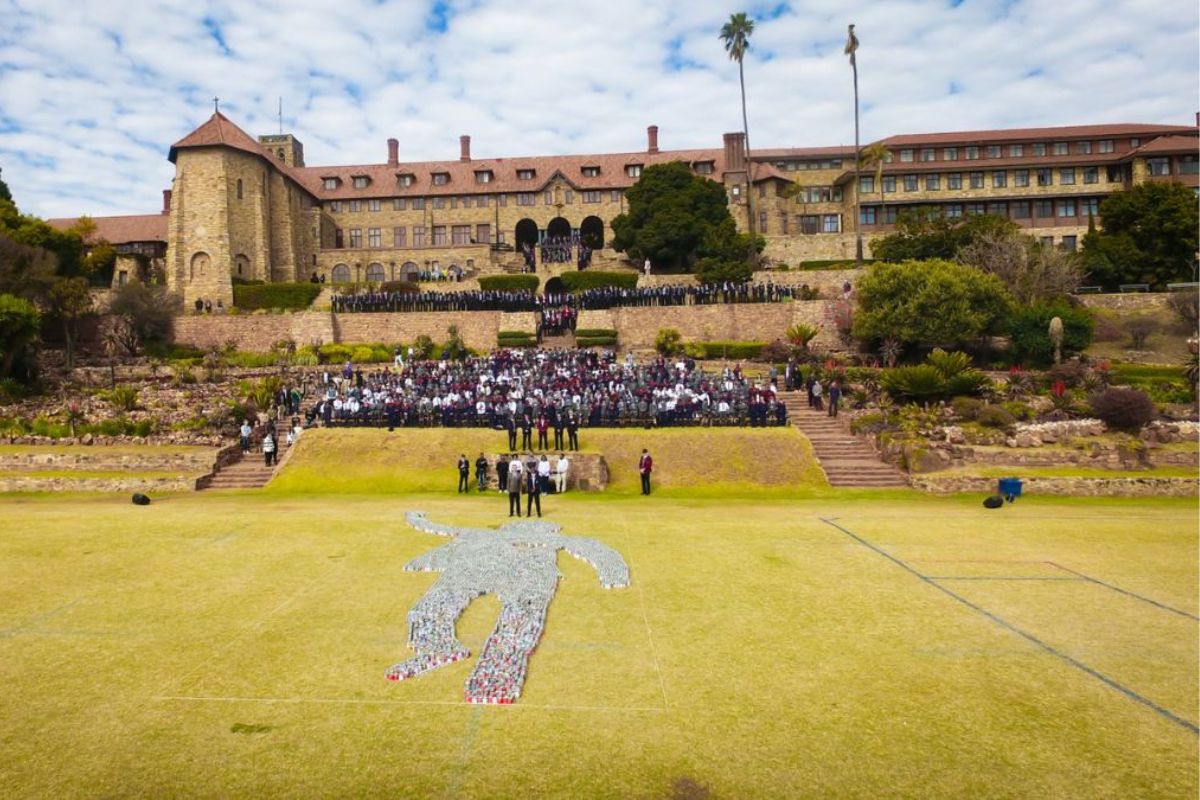
This ambition led to the move to Houghton Ridge, made possible by a £5,000 donation from diamond magnate Sir Thomas Cullinan. The Houghton campus remains central to St John’s identity today. The school buildings were designed by renowned architect Sir Herbert Baker, who produced a master plan in 1907. Alongside his partner Frank Fleming, Baker designed most of the buildings constructed before 1946, which continue to define the campus.
Expansion and Access to Education
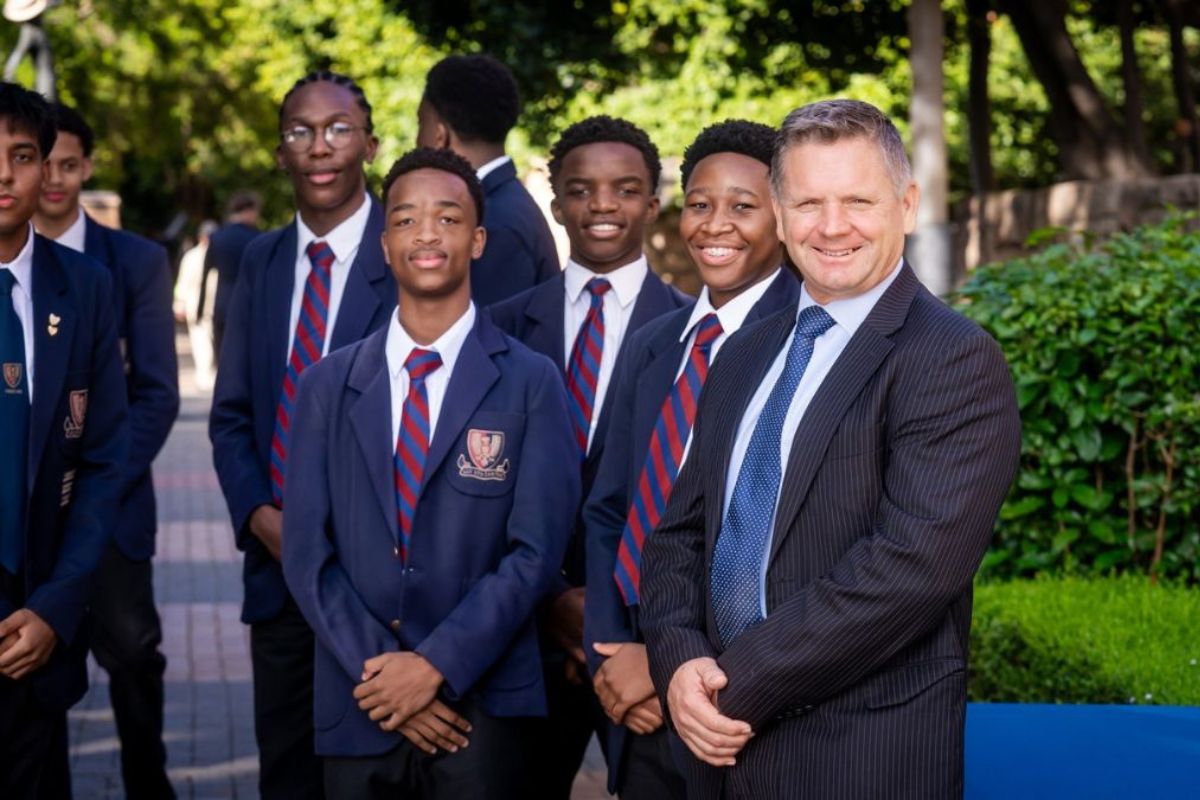
Further expansion took place during the 1950s and 1960s under Deane Yates, the first headmaster who was not an ordained priest. During this period, the school introduced Foundation Scholarships to provide academically strong boys from less affluent backgrounds with access to a St John’s education. Today, St John’s educates boys from Grade 0 to Grade 12 across its pre-preparatory, preparatory and college structures.
Academic Excellence and 2025 IEB Results
St John’s is widely recognised for strong performance across academics, sport and cultural activities. This reputation was reinforced by the Independent Examinations Board results achieved by the Class of 2025. All 149 matric pupils achieved a university pass, with 146 qualifying for Bachelor’s Degree study. The cohort achieved a total of 558 distinctions, averaging 3.7 distinctions per pupil. Ninety-three percent of pupils earned at least one distinction. One pupil achieved 11 distinctions, while three others earned 10 each. Subject choices also reflected academic ambition, with pupils selecting demanding subjects at significantly higher rates than the national IEB average.
Strong Subject Performance and High Achievers
Mathematics was taken by 87.25 percent of the class, compared with 58.8 percent across the IEB. Physical Sciences was taken by 74.5 percent of pupils, almost double the IEB average. Twelve pupils achieved overall averages above 90 percent. Ruhan Gosai and Siza Gule led the cohort with averages of 94 percent. Luca van Tonder achieved 11 distinctions, the highest in the class, with an average of 93.8 percent. Luke Brickhill achieved 99 percent for Mathematics, contributing to 78 Mathematics distinctions overall, with 60 percent of pupils achieving an A symbol. Average marks in English, Mathematics and Physical Sciences were all well above IEB benchmarks.
Harvard University Acceptances
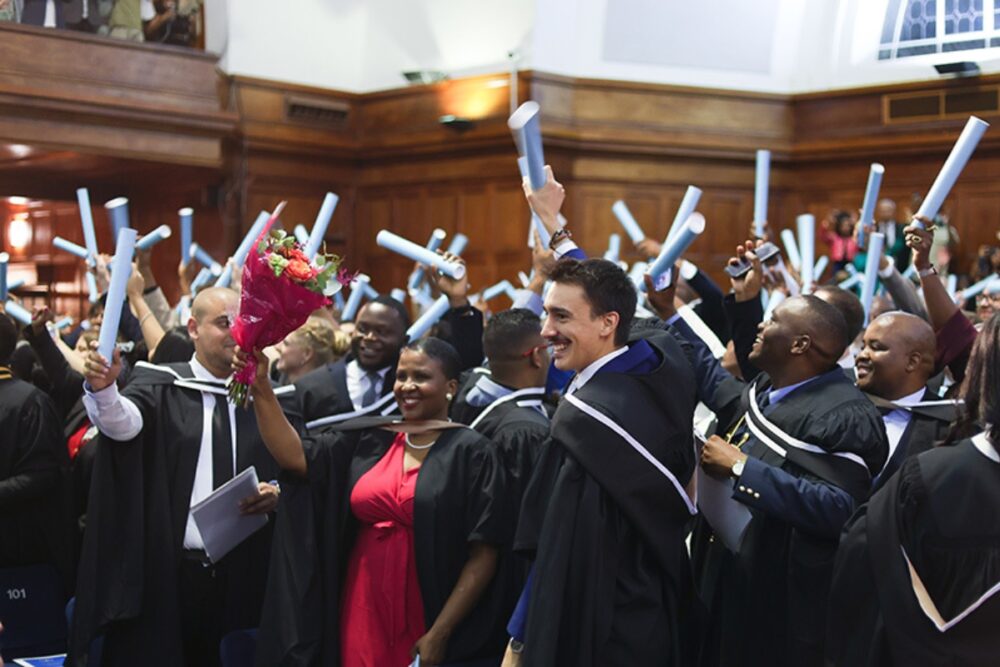
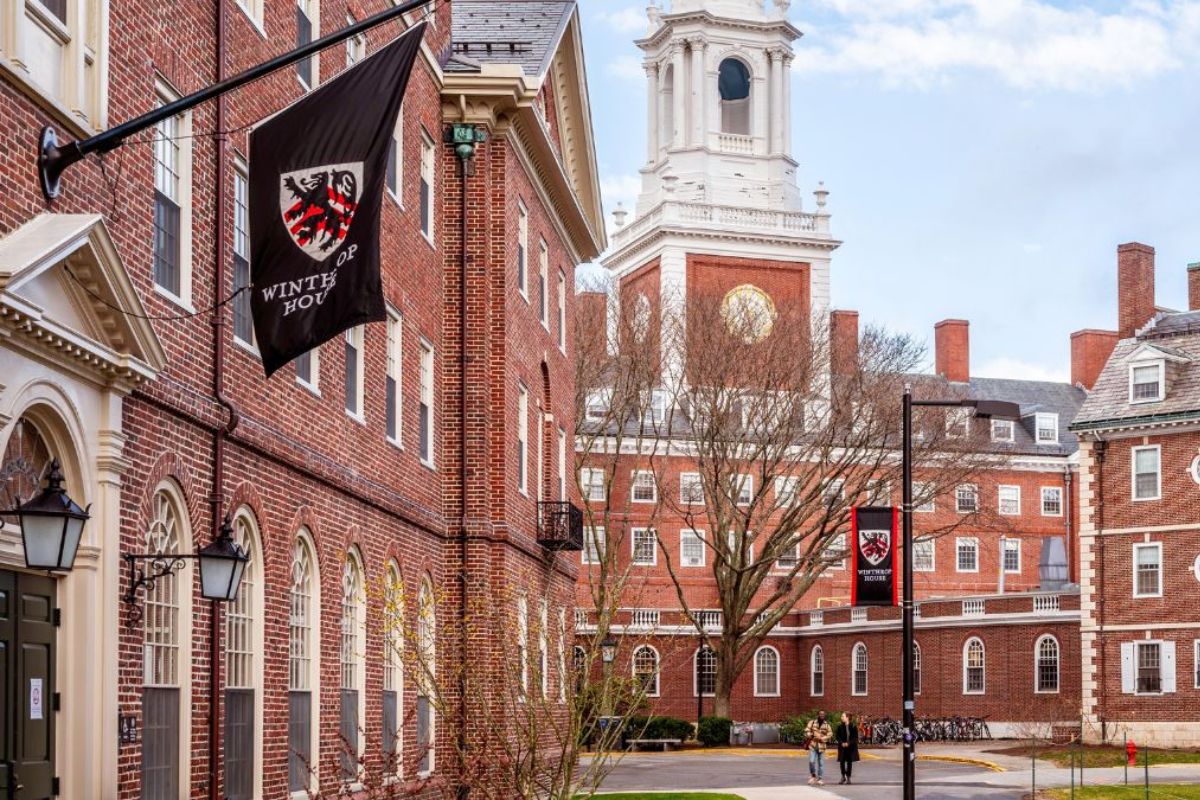
These academic results have translated into acceptance at one of the world’s most competitive universities. Two members of the Class of 2025, Siza Gule and Menzi Bongwe, have secured places at Harvard University through its Early Action Programme. Gule, who achieved nine distinctions, plans to explore subjects including law, politics, theatre and literature. Bongwe, also with nine distinctions, intends to study economics. They follow a number of St John’s alumni who have previously been accepted to Harvard University. Sazi Bongwe, head boy and dux scholar of the Class of 2021, matriculated with a 95.9 percent average and is currently studying English Literature and Philosophy at Harvard. Earlier alumni include Nhlakanipho Mkhize and scientist Siyabulela Xuza. Other individuals linked to the school form part of Harvard’s academic community, including Dr Paul Firth, a South African-trained paediatric anaesthesiologist affiliated with Harvard Medical School.
Harvard’s Global Standing
Harvard admission remains highly competitive, with acceptance rates in recent years ranging between 3.2 percent and 3.6 percent. For the Class of 2029, more than 54,000 applications were submitted for approximately 2,000 places. The university’s alumni and faculty include eight US presidents, dozens of foreign heads of state, 188 living billionaires and more than 100 Olympic medallists. In 2026, Harvard continues to rank at or near the top of major global university rankings, including the QS World University Rankings and the Times Higher Education World University Rankings.