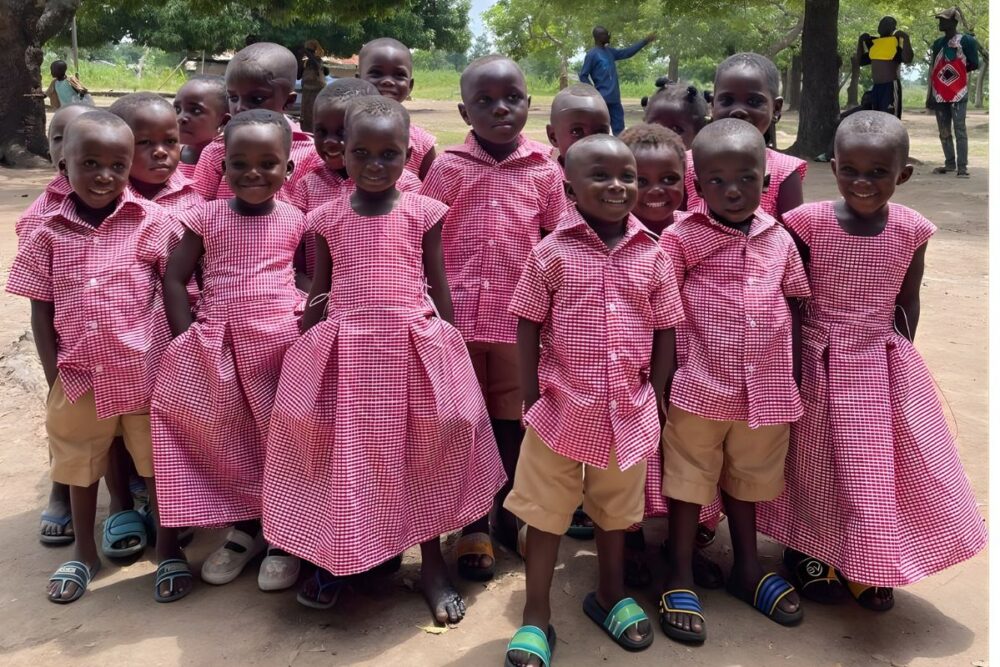
As a South African and a recognised champion of Sustainability and the United Nations Sustainable Development Goals, Tracy Ross has consistently drawn attention to the stark realities facing education in Sub-Saharan Africa. According to UNESCO, the region continues to record the highest number of out-of-school children globally.
• Globally, 263 million children and youth are out of school.
• Of these, 98 million are in sub-Saharan Africa.
• 23% of girls of primary school age are out of school, compared to around 19% of boys.
• Over 18.8 million girls are out of primary school in Africa.
UN Sustainable Development Goal 4 aims to “ensure inclusivity and equitable quality education and promote lifelong learning opportunities for all”, yet these figures reveal a reality that remains far from that vision. The question that continues to shape Tracy Ross’s work is clear: What must change to move African education forward in a sustainable and inclusive way?
“Education is the most powerful weapon which you can use to change the world”
Nelson Mandela
Rethinking Education: Beyond Textbooks and Exams
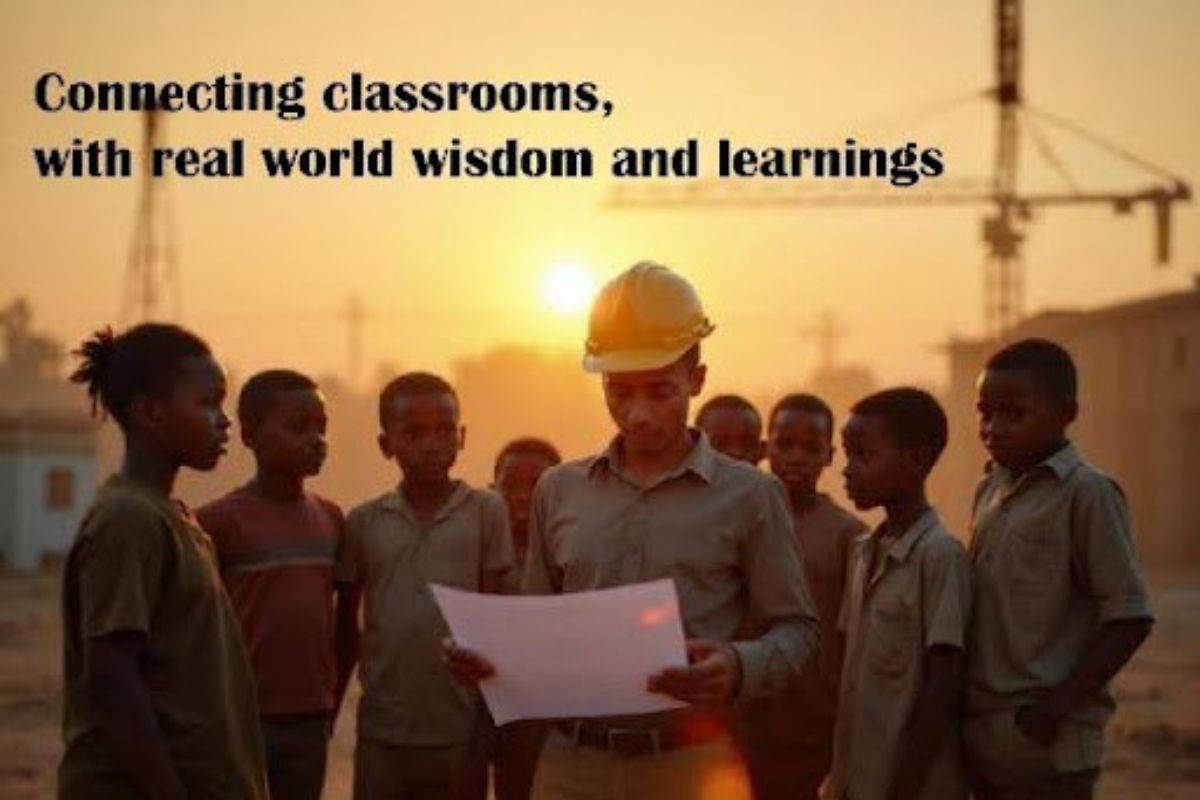
Reflecting on traditional schooling models, Tracy Ross highlights how much of formal education remains disconnected from real-world readiness. While academic knowledge remains essential, it is often insufficient on its own. Many learners complete their schooling without the emotional intelligence, resilience, and practical life skills needed to navigate adulthood and contribute meaningfully to society. Life lessons such as believing in one’s voice and vision, developing courage to step beyond comfort zones, and pursuing careers aligned with passion and purpose are rarely embedded into formal curricula. Yet these qualities are fundamental to long-term success and personal fulfilment. Education systems across Africa, Ross argues, must evolve to nurture confidence, adaptability, and problem-solving alongside academic achievement.
Bridging Tradition and Technology: Ubuntu Meets Innovation
While access to quality education remains uneven, Tracy Ross acknowledges that foundational needs must be met first. These include free access to education, school meals, uniforms, and equitable access to digital platforms. However, addressing infrastructure alone is not enough. Understanding what works for Africa requires a deep appreciation of cultural context.
Education on the continent has historically been about more than individual success; it has been about uplifting families and communities.
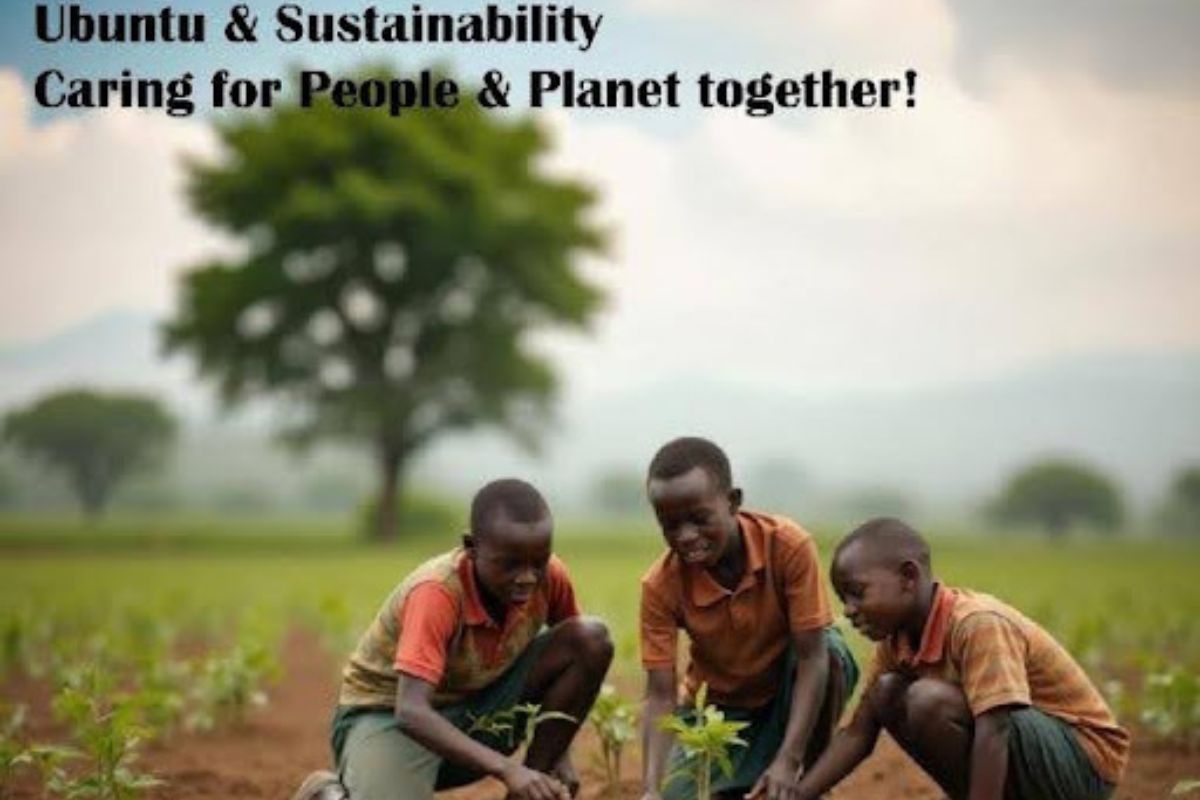
This is where the African philosophy of Ubuntu offers enduring relevance. Ubuntu means “I am because we are”, emphasising interconnectedness, shared responsibility, and collective progress.
The same principle underpins the UN Sustainable Development Goals, which recognise that the wellbeing of people, planet, and future generations is inseparable. When applied to education, this approach rejects progress that benefits a few while leaving millions behind. Sustainable education means every child, especially every girl, has the opportunity to learn, to develop digital and life skills, and to participate in shaping future economies.
Empowering a Generation of Changemakers
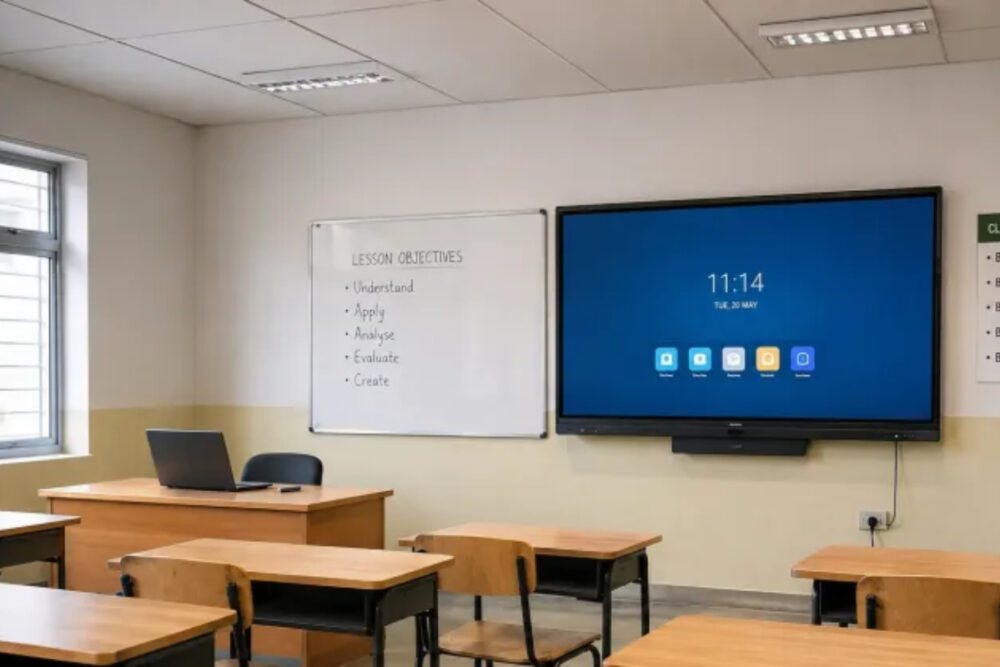
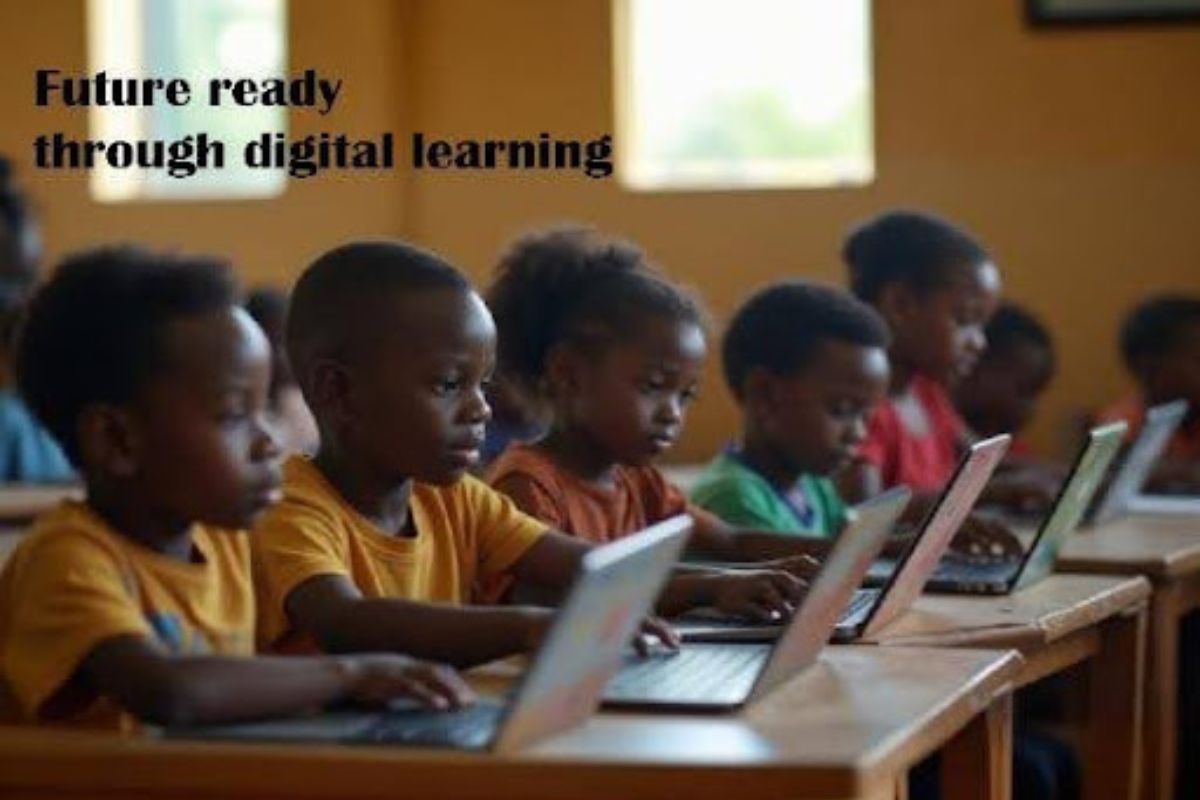
Looking to the future, Tracy Ross advocates for an education model that blends tradition with innovation. Alongside life skills and strong academic foundations, learners should be exposed to inspirational role models, entrepreneurial thinking, digital literacy, computational skills, and the responsible use of artificial intelligence.
With access to digital tools and platforms, young people can build businesses, solve local challenges, and participate in global economies with little more than a laptop and connectivity. When combined with Ubuntu values and sustainability principles, this approach prepares learners not just to find employment, but to become changemakers who create opportunity for others. The future of learning in Africa does not lie in choosing between tradition and technology. It lies in weaving them together. By integrating knowledge, lived experience, Ubuntu values, sustainability, and collaboration with industry and community leaders, Africa can nurture a generation of leaders who are bold, compassionate, innovative, and deeply grounded in purpose.
Entrepreneurs, role models, and innovators are invited to contribute lived wisdom and practical insight to education systems across the continent, helping to shape curricula rooted in Ubuntu and sustainability. When young people believe in themselves, embrace courage, follow their purpose, and understand their collective impact, they do not only transform their own lives. They become catalysts for lasting change across Africa and beyond.