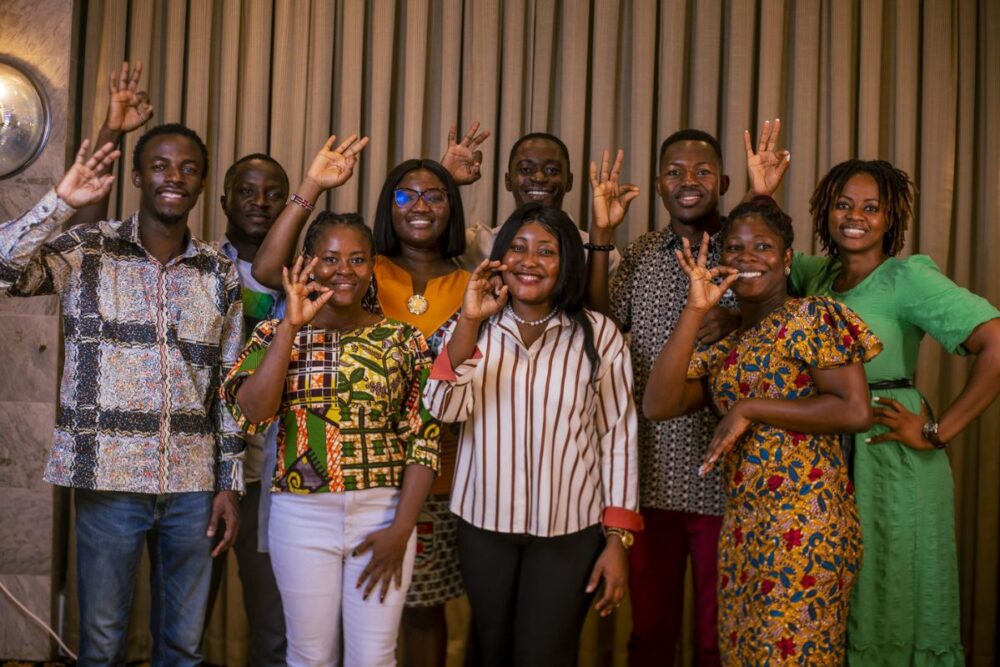
Africa holds the youngest population in the world, with over 60% of Africans are under 25. Yet, this youth majority is stepping into a world of inequality, digital disruption, and opportunity gaps.
The question is:
How can leadership rise to ensure no young person is left behind in shaping Africa’s future?
Globally, between 122 and 129 million girls are out of school, according to UNICEF. Of the 129 million, 32 million are of primary school age and 97 million are of secondary school. 240 million of children with disabilities lack basic education requirements such as sign language tools, braille or assistive technology devices to fulfil the education requirements. An estimated 1.3 billion people experience significant disability. This represents 16% of the world’s population, or 1 in 6 of us. 90 % of children with disabilities in developing countries do not attend school, says UNESCO. The global literacy rate for adults with disabilities. It is estimated by the United Nation Women that about 4 out of 10 adolescent girls and young women globally do not complete upper secondary school, with girls from rural areas never complete schooling. 9 out of 10 adolescent girls and young women in low-income countries do not have access to the internet. How can they access digital technology to gain access to education?
Leadership, Good governance and Education
True leadership today is not about titles or authority; it’s about creating systems where everyone belongs and contributes. Inclusion and equity are not side conversations; they are the foundations of sustainable progress.
The 4 Pillars of inclusion are:
- Present
- Participating
- Achieving
- Supported
Together these four features support the delivery of inclusive learning environments for all children and young people that enable them to reach their full potential.
A future-ready Africa demands leaders who invest in people’s potential, especially youth and marginalized groups, and who embrace diversity as a strength rather than a challenge.
The Leadership Shift: From Power to Empowerment
Traditionally, leadership was viewed as holding on to power. But modern African leaders are in classrooms, or communities searching for better ways to live sustainable and thrive. Redefining leadership as empowerment can build development. This means creating spaces where people from different backgrounds, abilities, and experiences can bring their full selves to the table.
In education, this starts by addressing invisible barriers.
Many learners with disabilities, for instance, still struggle with schools without accessible infrastructure or adaptive technology.
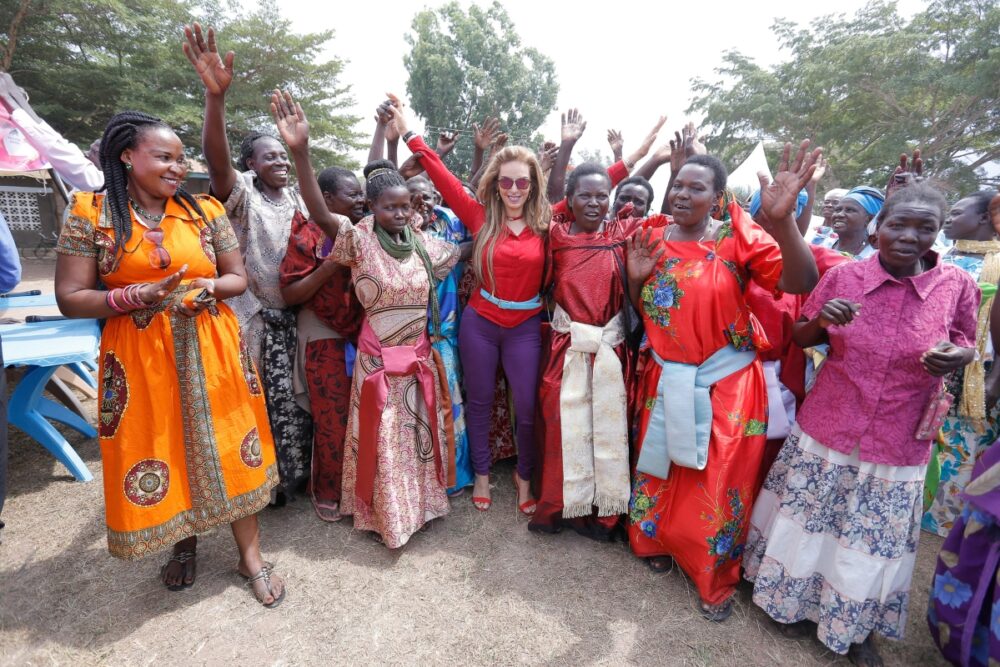
Girls in rural areas miss classes due to menstruation stigma or lack of sanitary facilities, teen pregnancy and early marriages. If leaders ignore these inequities, the promise of Africa’s demographic transition is dividend and will remain unfulfilled.
In South Africa, the Education for All initiative is helping schools integrate inclusive teaching tools and digital learning resources. In Zambia, youth-led organizations such as the Green Agriculture Youth Organization are promoting environmental education for persons with disabilities to participate in smart agriculture programs that empower rural youth to lead in sustainability. These initiatives show that inclusion fuels innovation when diverse voices are heard, better solutions emerge.
Technology can also play a major role in enhancing machines for farming, climate change adaptation and mitigation measures that can reduce greenhouse gas emissions that promote food security. With mobile learning platforms and education tools, learners in remote areas can now access quality content and mentorship. But digital inclusion requires intentional leadership, equitable investment in connectivity, training teachers in digital skills, and ensuring that technology serves everyone, not just the privileged few.
Fostering Future-Ready Skills
The future of work is changing rapidly. Automation, climate change, and global interconnectedness mean that young Africans need more than academic knowledge. They need 21st-century skills — critical thinking, collaboration, adaptability, and digital literacy.
Leaders must champion education systems that nurture creativity and problem-solving, not rote memorization. Programs like the Koloso Learning App promote digital learning in real time and can provide analytics data on the child’s progress. These initiatives are already paving the way by equipping learners with practical, future-focused skills. Funding and scaling such impact demand stronger partnerships between governments, educators, and the private sector.
Leading with Inclusion and Vision
Inclusive leadership is not just about policies it’s about a critical transition in the digital space Africa is yet to discover the potential. It’s about listening to voices often unheard: the girl in the village who dreams of becoming a scientist, the boy with a disability designing a tech app, or the teacher trying to make a difference with limited resources. When leaders value these perspectives, they build trust, innovation, and unity.
Visibility matters too. Youth should not just be beneficiaries of change; they must be co-creators. By including young people in decision-making spaces, mentorship programs, and policy development, we build leadership pipelines that reflect the Africa we want: diverse, equitable, and resilient.
“Adolescent girls are a powerful force for global change. With the right support at the right time, they can help deliver on the Sustainable Development Goals and reshape our world.”
UNICEF Executive Director, Catherine Russell.
The time for passive leadership is over. Every educator, policymaker, and community leader must ask: Am I creating opportunities for others to rise? To foster equity and diversity, leaders must build an inclusive representation in classrooms, villages and in Parliament to invest in digital inclusion. Good governance is promoting mentorship programs for girls, boys and youth with disabilities. The ripple effects of inclusive leadership is powerful because it uplift individuals, transform communities, and shape nations.
Africa’s future depends not on a few leaders at the top, but on a generation of inclusive leaders who believe in the power of we. Together, through education, equity, and empathy, we can unite, elevate, and amplify the true potential of Africa’s digital transformation through innovation by its people.