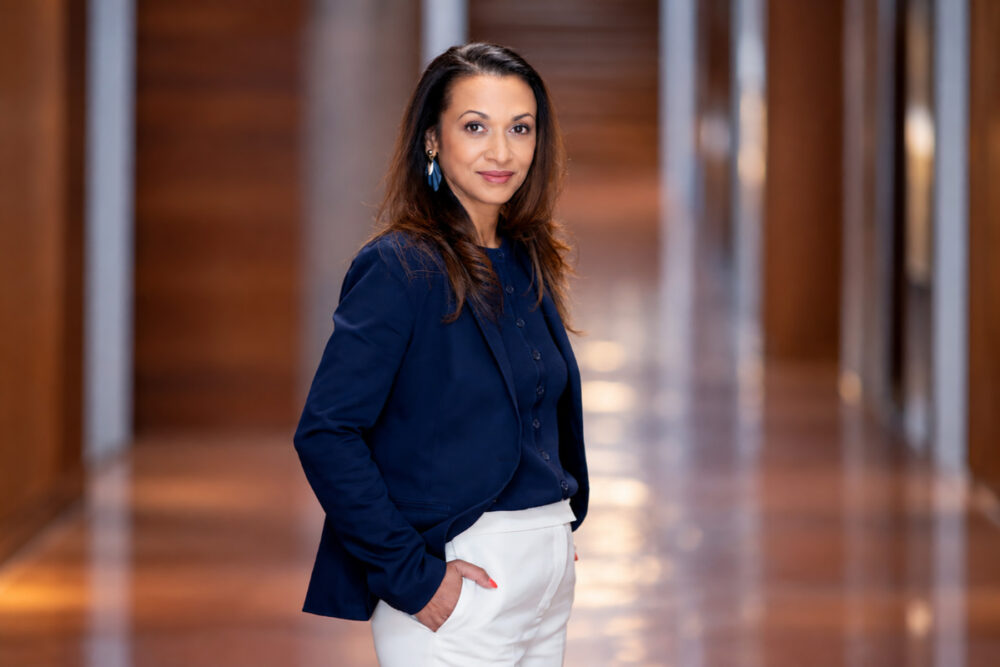
Born and raised in France to Malian and Senegalese parents, Daffa’s sense of identity was always clear. She identified strongly as African. Yet, like many children growing up with limited representation, she occasionally wished for straight hair and lighter skin. At the time, Black representation in mainstream media was scarce, with dolls, television and popular culture offering few reflections of her own image.
Despite this, she was surrounded by strong and accomplished women within her family who became her earliest role models. Their influence shaped her confidence and aspirations.
From an early age, she was drawn towards a career connected to African countries, with a long-standing ambition to work for a United Nations agency. She sought a profession with purpose, one rooted in social impact and global engagement.
This ambition guided the first decade of her professional life, which was spent working across non-governmental organisations, associations and government programmes. These years provided deep exposure to community-driven work, collective action and the resilience of people working under challenging conditions.
Over time, however, a growing frustration emerged. Africa continued to be portrayed predominantly through narratives of poverty, disease and conflict, with little space given to creativity, culture or contribution.
Relocating to Turkey marked a turning point. The move provided an opportunity to reshape this narrative by highlighting Africa’s artistic and cultural wealth and by building bridges between cultures through education and creativity.
Art, An Essential Educational Tool
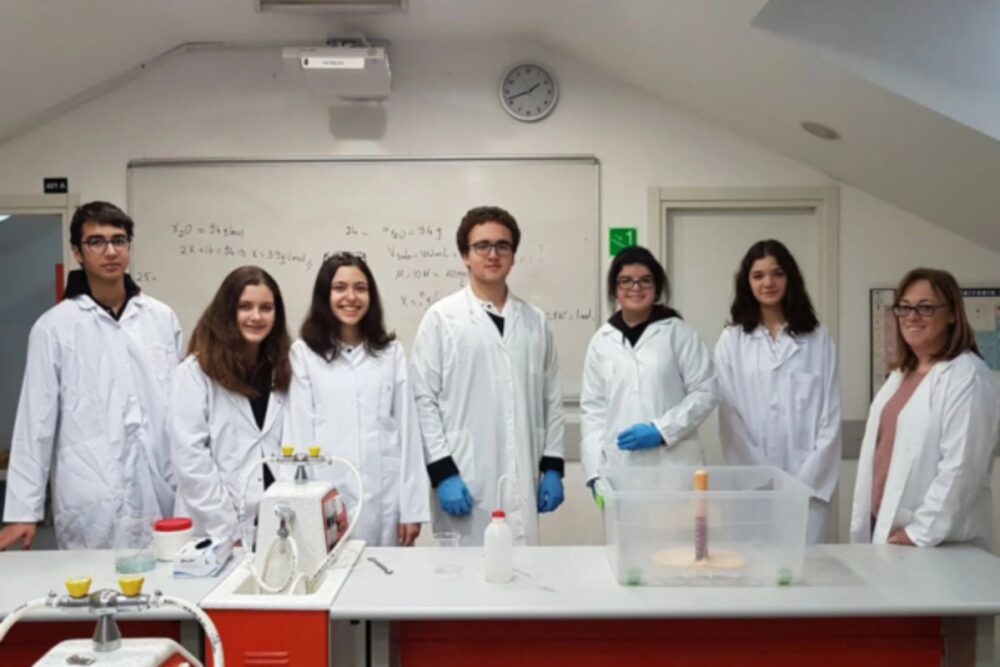
Following this transition, her work became focused on cultural exchange and education through art. Introducing African art into schools allowed students to engage with new perspectives and better understand global diversity.
Through these initiatives, students were introduced to visual artists and engaged directly with a Senegalese writer. These encounters encouraged them to look beyond their immediate environments and consider broader cultural contexts. The experience proved enriching both academically and personally for the students involved.
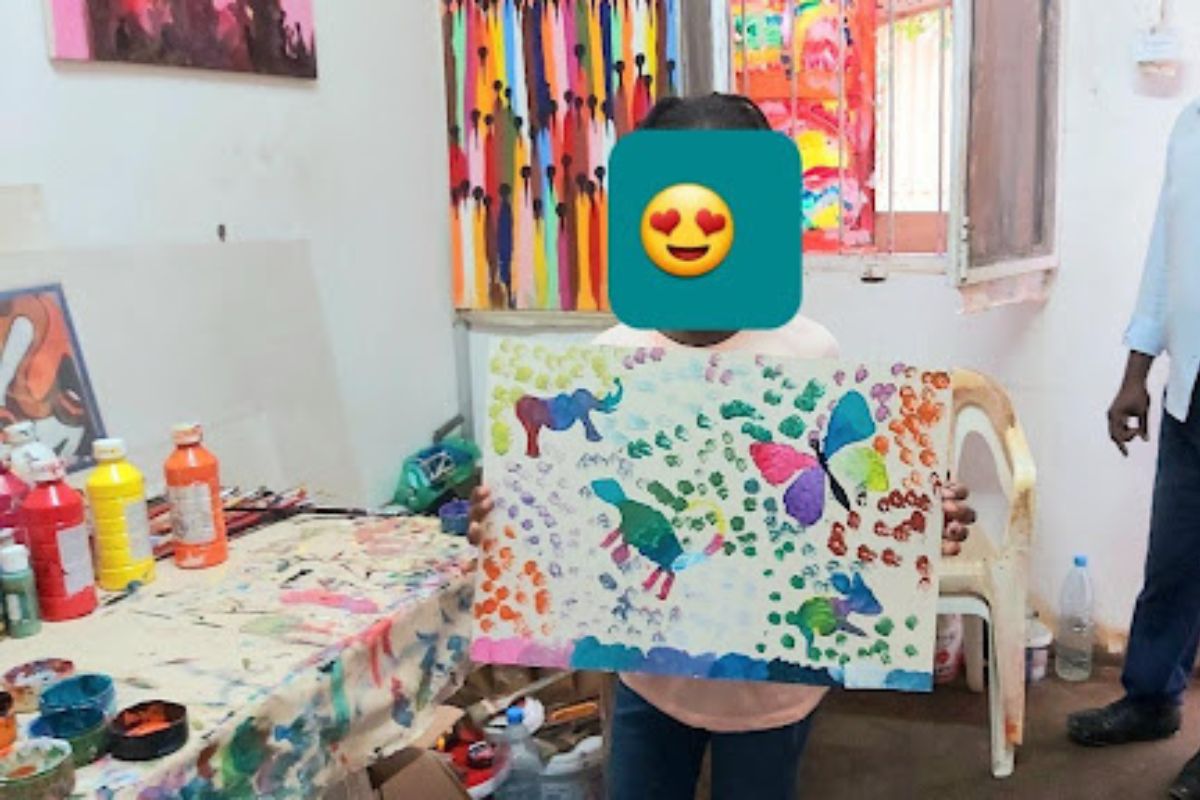
These school-based programmes reinforced the belief that art and culture play a vital role in education. They contribute to improved academic engagement, foster creativity, support openness to others, develop critical thinking and strengthen collaboration.
Within the African context, integrating art and culture into education systems also supports the preservation of local traditions. Promoting African languages, traditional knowledge and cultural industries offers a pathway to innovation that remains grounded in the continent’s realities.
In an increasingly interconnected and digital world, arts and culture also serve as safeguards for identity. Without deliberate efforts to value cultural heritage, younger generations risk drifting away from their traditions, leading to the gradual erosion of irreplaceable knowledge and expression.
Art, A Powerful Tool for Leadership
Artistic practice and leadership share important characteristics, including inspiration, connection and transformation. Research indicates that teams led by individuals who are attuned to artistic expression are often more engaged, more innovative and significantly more productive.
The Art Works at Work report from Harvard Project Zero highlights the impact of art within professional environments. Employees reported that art strengthens social interaction, stimulates emotional engagement, enriches the workplace and supports continuous learning.
Artistic processes encourage creativity, active listening and problem-solving, qualities that are equally central to effective leadership. These shared attributes position art as a powerful, and often underutilised, tool for developing inclusive and forward-looking leaders.
Education, art and leadership together form the foundation of societies that are equipped to navigate the future. When integrated thoughtfully, they nurture creativity, preserve cultural identity and strengthen the capacity of individuals and communities to adapt, innovate and lead with purpose.