Education is more than a pathway to personal advancement. It is a catalyst for societal transformation. Across Africa, women are increasingly stepping into roles that redefine leadership, business and community development. Yet many remain constrained by limited access to quality education and economic opportunity. To unlock Africa’s full potential, women must be equipped with the knowledge, skills and confidence to become independent and to create jobs for others.
Demographic trends underline why this matters. According to the United Nations, Africa’s share of the global population is set to grow significantly, with projections suggesting that by the end of this century, one in every three people worldwide could be African. This shift carries responsibility as well as opportunity. Women are not only part of the future workforce, but also mothers and the first educators of the next generation. An educated woman passes on skills, resilience and ambition, shaping families, communities and nations. Every investment in women therefore multiplies across society.
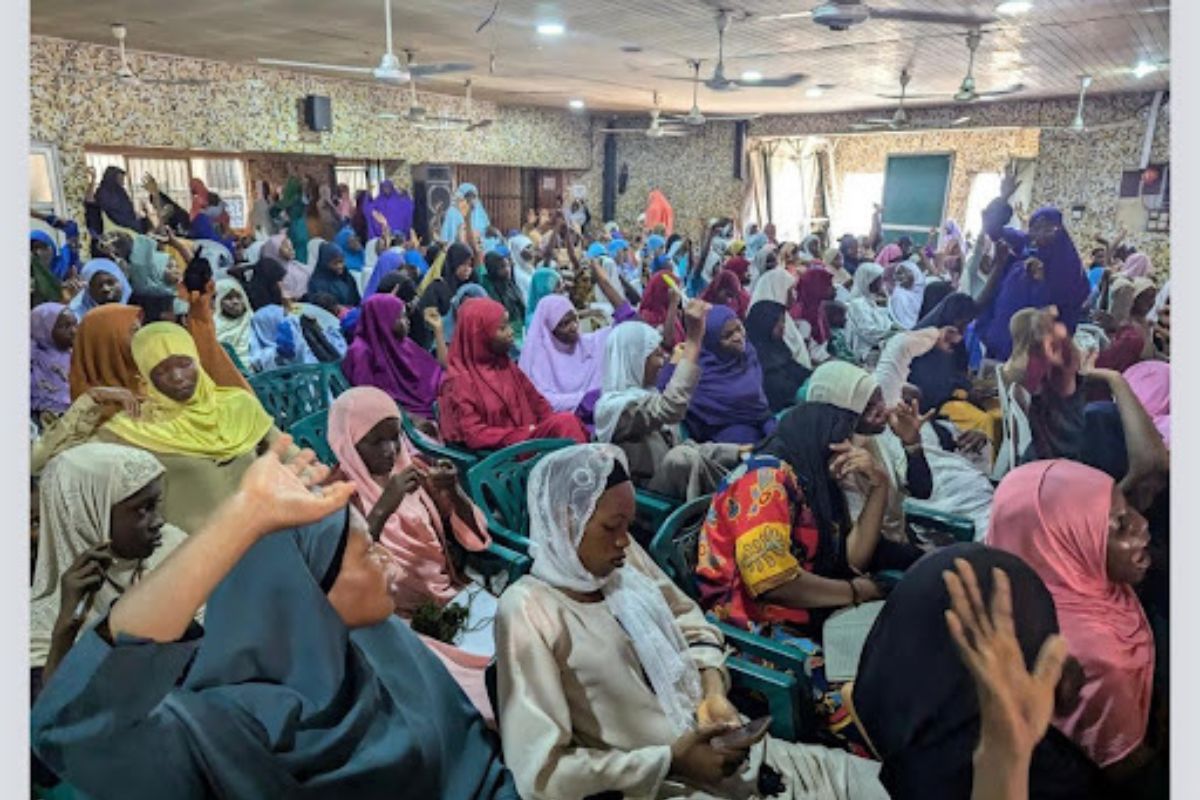
Education: Powering Women and Society
Africa already has the highest rate of female entrepreneurship globally, with more than one in four adult women engaged in business activity. However, many women-led enterprises remain small or informal due to barriers such as limited access to finance, training and mentorship. Education changes this trajectory.
When women gain skills in areas such as technology, agriculture or manufacturing, they are more likely to move beyond subsistence activity and build scalable businesses. Education enables women to shift from dependence to independence and from survival to innovation, strengthening both household incomes and national economies.
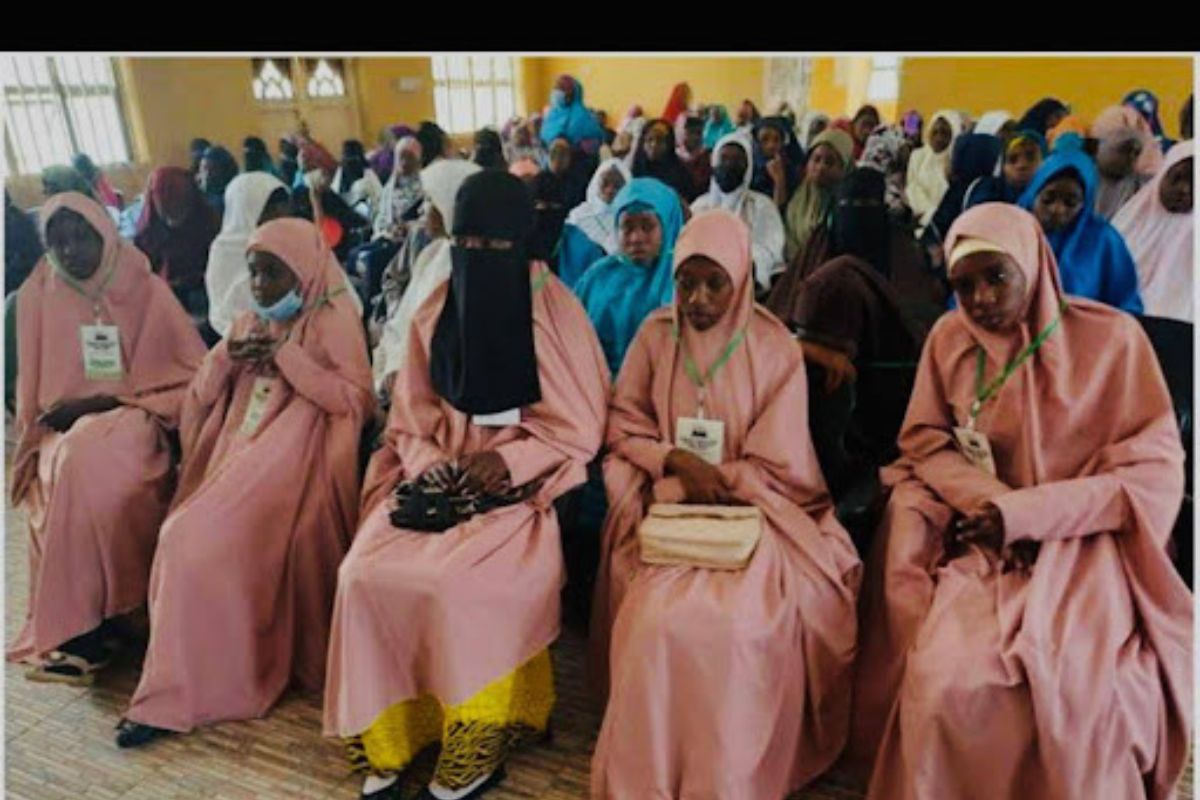
From Entrepreneurs to Job Creators
The impact of education is evident in the stories of African women who have built enterprises that employ others and shape industries. Ibukun Awosika, one of Nigeria’s most respected entrepreneurs, transformed a small furniture workshop into The Chair Centre Group, a multi-million-dollar manufacturing company supplying banks, schools and corporations across Nigeria.
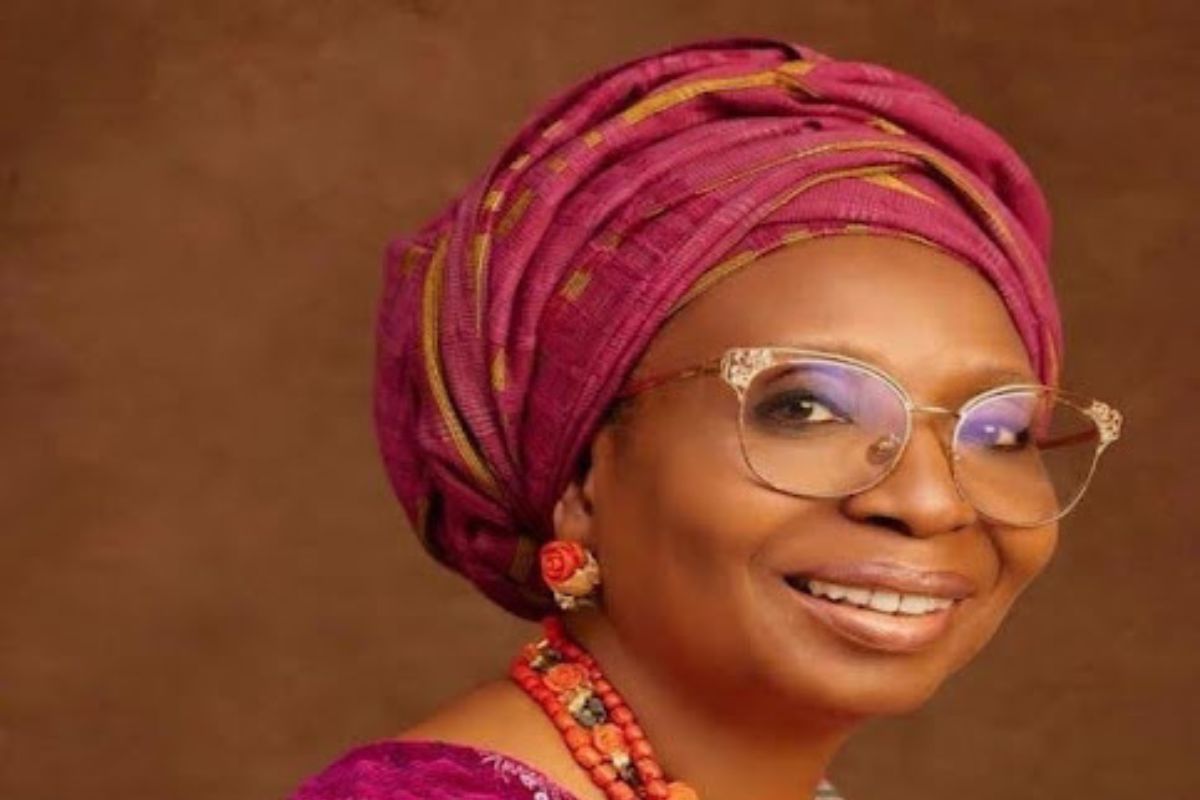
Her business created hundreds of jobs across the value chain, from skilled trades to logistics and corporate roles. Her influence later extended into the financial sector when she became the first female Chairperson of First Bank of Nigeria, helping to shape procurement and financing strategies nationwide. In her book The Girl Entrepreneur, she writes:
“An entrepreneur is not just someone who runs a business, but one who sees opportunities, takes risks, and creates value for others.”
Her journey illustrates how education, vision and persistence allow women to become job creators, mentors and leaders.
Women at the Heart of Africa’s Future
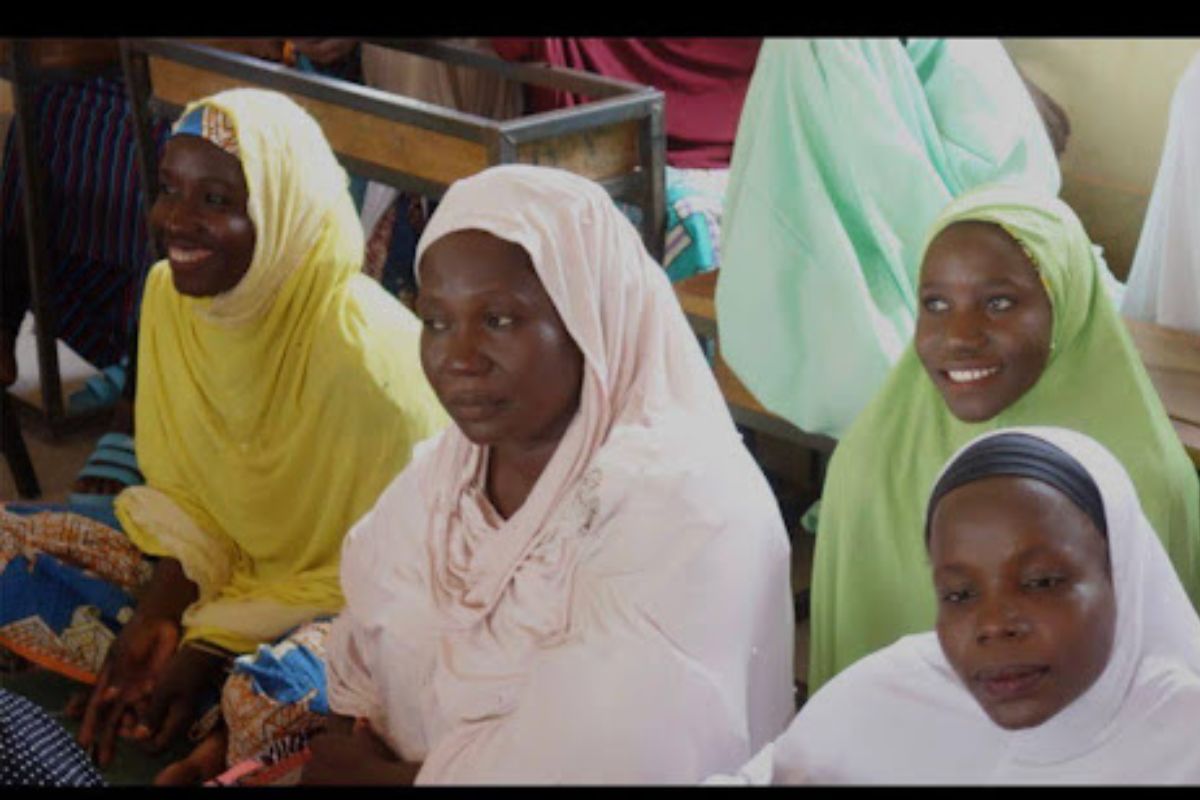
These examples highlight a central truth. When African women are educated, the benefits extend far beyond individual success. Educated women build businesses that employ others, contribute ideas that inspire future generations and advocate for systemic change that strengthens societies.
As Africa moves towards becoming home to one in every three people globally, women’s education must sit at the heart of development strategies. Governments, the private sector and civil society must work together to expand access to quality education for girls and women, provide entrepreneurship and financial literacy training, improve access to funding and mentorship, and increase women’s participation in leadership and governance.
Empowering African women is not charity. It is a strategic investment that ensures demographic growth translates into opportunity rather than crisis. By educating and empowering women to become independent job creators, Africa can harness its momentum and secure long-term prosperity for generations to come.